Modern technology does make life seem simpler-but the increasing evidence is-it can also make life shorter, by reducing the need to interact with other human beings. Recent research studies prove that people who have a lot of human contact can live twice as long as those who are isolated.
A groundbreaking study of some 7,000 people in Alameda County, CA, showed that those with the fewest friends, family, community, and religious institutions were three times more likely to die over the 9 years in which the study was conducted.
Further, researchers who monitored 276 people between the ages of 18 and 55 found that those who had six or more connections with people were four times better than others at fighting off viruses that cause colds.
Ayurveda has never needed laboratory research studies like these to understand this truth its healers have observed and understood it quite literally for ages now. Here is the A-to-Z ayurveda guide on how to reconnect with your spouse, significant other or a special family member or friend so you both live long and joyful lives.
Apply the brakes. Don't be a time-struggler. The human body is not well suited to time struggle. Research strongly suggests that impatient clock watching is linked to hostility, resentment and relationship-breakdowns. Remember Lord Chesterfield's immortal words: "Take care of the minutes, and the hours will take care of themselves. That's exactly what ayurveda advocates. Some tools to help you slow down: Maharishi Ayurveda's wide range of relaxing massage oils, all-natural Aroma candles and time-tested herbal supplements like Blissful Joy.
Balance is a keyword in Ayurveda, be it in physical health or emotional issues. Ayurveda believes that inner disharmony and imbalance cause stress, a leading cause of failed relationships. What causes this imbalance in the first place? Overuse or misuse of the mind and/or body.
Stress vitiates Prana Vata, which governs the activity and energy of the brain. Once the pivot point is weakened, your ability to cope with stress is badly compromised. Restore your emotional balance with herbal healers like Blissful Joy and Worry Free.
Cook together. It's therapeutic. Besides nutrition, there's affection in cooking for another. In his e-magazine The Bridge, journalist Angshuman Dasgupta writes of herbs and spices thus: "They (herbs and spices) are hoary heritage from times long past, places afar. They waft through the breeze across continents, transcend barriers, borne on the backs of wayfarers. Let the spices you have grown up on be your new adventure. They can become flavorful blends in innovative hands. Give them a chance. New to the world of spices?
Kick-start your quest with the help of Maharishi Ayurveda's gourmet Churnas, precisely blended to balance the three doshas."
Drive thoughts of jealousy from your mind. These are toxic, and pile up negative "ama" inside you, leading to not only mental but also physical ailments.
Empty your kitchen cupboards of all milled, processed, preserved and fermented foods. Food in ayurvedic healing has a direct relationship with your consciousness. You are what you eat" is a maxim very dear to the ayurvedic healer's heart. To be a loving, caring person, you ought to eat foods that have been prepared with love and care-not instant and indifferent pre-packaged foods. When the urge to binge on "junk" foods strikes, give your body-and mind-a treat with drinks like Maharishi Ayurveda's Almond Energy drink. The Winter Cherry in this drink aids resistance to stress. Brahmi nourishes the mind. Poppy Seeds are a natural sleep aid and help relaxation. Almonds provide energy. What more can you ask for?
Follow your heart. Basically, we all want to be happy. And happiness comes when your heart, mind and body are all doing the same things. Picture this: your body is tired, but your mind says you have to finish your work by morning so you stay up all night. This fills the heart with resentment, and at the end of the night, you're anything but happy.
Gift your partner some good health. Maharishi Ayurveda products include personal care, foods and beverages and nutritional supplements. Choose your gift with care, and present it with flair. Our recommendations: well, they are too many to list, but you can choose from among scores of creams, lotions, oils, aromas and herbal supplements.
Halt your tongue as soon as you begin to feel your temper rise. Ayurveda recommends everything in moderation: be it love or anger.
Increase the quota of time you spend on yourself. Start your day with a warm all-body massage before your shower, and you will emerge feeling relaxed and vitally alive. A good self-image always makes you feel generous and loving towards others, and that helps build strong relationships. Massage is only one of the many ways in which you can look after yourself. Try a little bit of all of these: yoga, deep breathing, drinking plenty of water, taking frequent breaks from work. All of these will make you feel special and happy.
Joy is not in things-it is in us, said a wise man. Healers who followed ayurveda have expressed this sentiment in a variety of ways. To them, this thought mattered a great deal because they knew relationships can become victims of object-referral living. A vaidya, therefore, would whole-heartedly agree that "the real things in life aren't things at all.
Know the difference between loving and clinging. Laugh together as often as you can. Laughter really is the best medicine.
Meditate: Transcendental Meditation® is a wonderful way to connect with yourself, and subsequently with other people. The basic principle is this: when you make contact with your deepest needs, your inner self, you release the knotted-up tension from your heart. Through regular meditation, you can shed these pressures on a daily basis-which will make you feel more energetic, more positive and more loving.
Nature knows best. Follow this simple mantra, and your harried life will begin to flow smoothly. Be it hunger or sleep, listen to the rhythm of nature: appetite peaks at noon and the mind requests rest in the evening-that's the way nature has designed us, and going against its laws causes disturbances in our daily lives, and affects our relationships with others too.
Omit meat from your diet if you can. Ayurveda believes that the vegetarian diet is complete in itself, and foods that are not derived from animal slaughter are rich in "chetna" or consciousness. Such foods give rise to positive thoughts, build "satoguna", the highest-quality dosha of the mind.
Prevent disorders from taking root in the physiology with the greatest rasayana of all. Amrit is truly the golden cup of longevity, as its name means. It is a wonderfully effective formulation of 40 rare herbs and fruits. Not only does this incredible anti-oxidant rejuvenate the body, but also brings calm and peace to the person as a whole.
Quell your desire to eat a late-night meal or stay in bed till late in the morning. An old saying, "eat half as much in twice the time" makes a lot of sense to ayurvedic physicians. Similarly, sleep early and rise before 6 a.m.-this way, you will balance all your doshas. When the doshas are in harmony, one feels joyous, filled with bliss. When you are humming inside, you'll make others want to sing, too.
Resolve to pay more attention to the little things in a relationship: a kind gesture, a thank-you note, or even just a smile.
Sniff sesame oil (nasya) to lubricate and protect your nose and sinuses, which are the ventilation system for your brain. The oil helps clear mucus out of the sinuses. Just dip your little finger in the sesame oil you use for your massage and rub the oil inside of each nostril. Then pinch and release your nostrils rapidly while inhaling sharply. This not only clears the nasal passages but also your brain, making you think clearer and make the right choices with regard to yourself and others.
"Tend to the needs of your digestive system. Now good digestion wait on appetite-and health on both," Shakespeare's Macbeth is said to have exclaimed. Not for no reason. Ayurveda considers the health of the digestive system to be the key to overall well-being. Can you imagine being relaxed, friendly, and creative when last night's heavy dinner is still groaning in your stomach?
Understand the importance of touch. Ayurveda's prime diagnostic tool is nadi pariksha or pulse diagnosis, which connects the physician to the patient -anyone who has had a pulse diagnosis done knows how soothing and healing that touch feels. Not only that, the pulse can tell a physician what complex laboratory tests can sometimes fail to reveal. Similarly, people around us need to be healed with touch: a baby needs hugging, a friend needs a gentle squeeze of the hand.
Value the need of your body to rejuvenate and detoxify with each change of season. Ayurveda offers the pleasurable and highly beneficial Panchakarma therapy that can, every time the season changes, restore you in body and mind.
Work hard, but don't let your work overshadow other areas of your life that are equally important. Short breaks during periods of intense activity, planning and not allowing deadlines to rule your entire life can make work pleasurable and productive.
"Youth is unhappy because it is faced with this terrible choice: love without peace, or peace without love," wrote Beaumarchais. True, isn't it-that youth and peace often seem to be in conflict? It needn't be that way, if you listen to some simple ayurvedic advice. Youth, according to ayurveda, is the season ruled by dynamic Pitta. Keeping your Pitta balanced by eating calming foods, dressing according to the weather, and staying away from violent books and movies are small but effective steps toward a happy, peaceful and loving youth.
Zoom away together to a place where natural beauty abounds. Getting close to nature every now and then heals and restores the whole being.
Saturday, October 28, 2006


Tuesday, October 24, 2006
Triphala
Q: Triphala, contained in MAPI's Digest Tone and a major ingredient in Cholesterol Protection, is one of the most famous herbal compounds in ayurvedic medicine. Can you tell us what it's made of?
A: Certainly. literally means "three fruits," "tri" meaning "three" and "phala" meaning "fruit. The three fruits contained in Triphala are Haritaki, Amalaki and Bibhitaki.
A: There is a saying in India that if a vaidya knows how to use Triphala properly, he can heal any disease. It is highly revered in Maharishi Ayurveda.
When these three fruits I mentioned are combined as Triphala, they form a very powerful rasayana. A rasayana is the most highly refined and powerful herbal and fruit combination in ayurveda, and is known to promote long life and rejuvenation. A rasayana promotes ojas, the material equivalent of bliss. Ojas is the finest product of digestion, and prevents disease, creates luster in the skin and rejuvenates the whole body.
Besides nourishing the mind and body and promoting longevity, Triphala has many specific effects. It is particularly rejuvenating for the digestive tract, and is a rasayana for the eyes and the skin.
Triphala balances Apana Vata, the subdosha of Vata that governs the colon, lower abdomen, menstrual flow and elimination. For most people Triphala is a mild laxative, and for that reason it is excellent for clearing toxins from the digestive system. In very rare cases it has a stronger laxative effect, but usually it is an ideal bowel cleanser precisely because of its mildness. In moderate doses it is gentle, and detoxifies the body slowly.
But because it is slow, you can take it for longer periods of time, and then it has a deeply purifying effect. It goes deeper into the physiology and releases the toxins at a much deeper level.
Q: What do you mean by "going deeper" into the physiology?
A: There are seven tissues (dhatus) in the body, and they form in a sequence. Starting with Rasa (the nutrient fluid derived from food), the tissue chain progresses from to Rakta (blood), Mamsa (muscle), Meda (fat), Asthi (bone), Majja (bone marrow) and Shukra (reproductive fluid) in a chain of reactions that is sequential and orderly.
Digest Tone cleanses toxins up to and including the fat tissue. You can see that this is a much deeper effect than just cleansing the bowel. It cleanses toxins from the nutrient fluid, the blood, the muscle and the fat tissues if used for a long enough time.
Because it detoxifies the blood, muscle and fat tissues, it is excellent for preventing skin disease. And because it removes ama from the fat tissue, Triphala also helps balance cholesterol.
Triphala can also repair any damage that has occurred in the intelligence of nature that governs the transformation from one tissue to the next. It is in the gap between the tissues that the intelligence of nature operates, and if there is any damage, Triphala can repair and reset the chain to enable proper transformation of one tissue to the next. That's what makes it a very great rasayana. Also, it has two of the three major herbs contained in Maharishi Amrit Kalash, which is the most highly refined and rejuvenating rasayana of all.
Q: What are the other benefits one can expect from taking Triphala?
A: Triphala also purifies the urine and prevents urinary tract disease (prameha). It enhances all thirteen agnis (digestive fires), especially the pachagni, the main digestive fire in the stomach. It pacifies Kapha and Pitta, and if taken regularly, is a powerful anti-aging rasayana.
Q: That's quite a list of benefits that are reported in the classical ayurvedic texts. Does modern research support these benefits?
A: Yes, it certainly does. One study (Food Chemistry Toxicology, 2002) showed that Triphala had an antimutagenic effect in vitro. This is interesting, because as I mentioned earlier, Triphala can repair damage to the sequence of nature's intelligence in the "gaps" in the tissues, in the mechanics of transformation from one tissue to another. In other words, if a type of tissue forgets its connection to nature's intelligence, or is in some way damaged, Triphala can repair that damage before it manifests as a disease. This could have implications for fighting the growth of cancer or other aberrant cells.
Another study (Phytomedicine 2002) showed that Triphala had a radioprotective effect in mice exposed to gamma-radiation. It delayed the onset of mortality and reduced the symptoms of radiation sickness in one group significantly more than the control group, which did not take Triphala. This demonstrates the ability of Triphala to act as a radiation-protective agent when administered in the proper doses.
A third study tested the effect of the three fruits used in Triphala on cholesterol-induced hypercholesterolaemia and atherosclerosis. Although all three fruits used in the Triphala formula were found to reduce serum cholesterol and cholesterol of both the liver and aorta, Haritaki had the greatest effect.Of course, these studies are limited in their ability to show the true effects of Triphala because they focus on the isolated ingredients. It may take years before modern science understands the importance of testing whole herbs and fruits that are combined in the right proportions according to traditional ayurvedic herbal methods--rather than the raw isolated ingredients or the so-called "active" components. The effects are much more balanced and holistic when the whole herb or fruit is processed properly and combined with other herbs in the traditional manner.
There is a verse in Charaka that explains this principle: "The understanding of the total nature of the subject does not arise from a fragmentary knowledge of it. (Charaka Samhita, Vimanasthana 4.5).
But in any case, these studies do point in the right direction.
Q: Yes, that is quite an impressive list of studies. What makes Triphala, contained in MAPI's Digest Tone, this powerful?
A: The ingredients that make up Triphala are powerful individually. When combined correctly, synergy enhances the healing quotient exponentially. The first ingredient is Haritaki--that is the Sanskrit name, pronounced har-ee'-tuck-ee. It's called Terminalia chebula or Chebulic Myrobalans in Latin. This fruit is mentioned in almost all ayurvedic textbooks. Charaka goes so far as to say that Haritaki is as nourishing and useful for everyone as mother's milk. He mentions that it's a rasayana for the eyes (netra ruja apaharini), and helps prevent eye diseases such as glaucoma and cataracts.
Haritaki is also a rasayana for the skin. It's known as a Twagamayagni, which means that it destroys skin disease. Sushruta Samhita, a classical ayurvedic text on surgery, says that Haritaki and Triphala are useful in cleansing wounds and promoting healing and regeneration from the inside. The famous ayurvedic surgeon Sushruta calls it branya, which means having the ability to heal an ulcer or wound.
Charaka also says that Haritaki is good for the digestive system. It helps enhance the absorption of nutrients in food. It is also a cardio-preventive, helping to promote heart health.
Another excellent quality of this fruit is that it cleanses the macro and micro circulatory channels, known as shrotas in Maharishi Ayurveda. In one verse of Charaka Samhita, it says Haritaki is "shrotovishodhini," which means that it can clear the channels, both big and small. The Bhavprakash Nigantu, an ayurvedic text on herbal science that is part of my own family tradition, mentions that Haritaki is a yogavahini, which means that it cleanses the channels and is absorbed quickly by the body.
Because of the yogavahini effect, Haritaki also enhances mental clarity and memory. Haritaki is a Medhya fruit, which means that it enhances coordination among the mental functions of dhi (acquisition of knowledge), dhriti (retention of knowledge) and smriti (recall of knowledge or memory). It enhances mental clarity and memory, and the stamina of the mind and senses. The Bavprakash Nigantu also mentions that it is good for the health of the spleen and liver, and is a famous preventive for any liver problems.
In addition, the Charaka Samhita says that Haritaki is sarvah dosha prasamani (all-dosha pacifying). Very few fruits and herbs have this designation. It also supports the body's immune system. On top of everything, Haritaki has an anti-aging value. Charaka Samhita calls it vayasthapani (anti-aging).
Q: You have detailed an extremely impressive list of qualities. Is there research to support these traditional claims?
A: Yes, there is quite an extensive body of research on Haritaki by scientists in universities throughout the world. In support of its bactricidal quality, research shows that Haritaki has anti-bacterial effect (International Journal of Cardiology, 1988). In this study the researchers tested the effect of extracts of Haritaki on a bacteria called Helicobactor Pylori.
The results indicated that water extracts of Haritaki contain a heat stable agent with inhibiting effects and possible therapeutic potential for fighting Helicobactor Pylori and other bacterial species.
As for the reduction of liver disease, one study examined the effect of an herbal formula that contained Haritaki as the main ingredient along with four other herbs.
The results showed that this formula enhanced the rate of recovery from hepatic amoebiasis by 73%, reducing the average degree of liver infection substantially (Journal of Ethno Pharmacology, 1996). The extract of this formula also was found to enhance cell-mediated immune response in golden hamsters with amoebic liver abscess.
So you can see that these benefits, which were known by the ayurvedic seers such as Charaka and Sushruta thousands of years ago, are now being recognized by modern science.
Q: That's amazing. Can you tell us about the second ingredient, Amalaki?
A: Yes. This fruit is called Amalaki in Sanskrit and in Latin it's called Emblica Officinalis Gaertn, Phyllanthus Emblica or Terminalia Emblica. Indian Gooseberry is the English name and Amla is what it's called in Hindi. But no matter by what name you call it, Amalaki has many remarkable qualities.
First of all, Amalaki is known as a divine plant in the ayurvedic materia medica. Amalaki is also a rasayana, which means that it has longevity-enhancing and disease-defying qualities. Usually rasayanas, which are the cream of ayurvedic herbal compounds, are made of more than one ingredient. It is extraordinary that this fruit all by itself is revered as one of the most powerful rasayanas. The Charaka Samhita says, "Amalaki is the best among rejuvenative herbs.
Amalaki fruit contains the sweet, sour, bitter, astringent and pungent tastes.
The only taste missing is salty. Because it contains five out of the six tastes, it is balancing to all three doshas.
Amalaki has a sour taste initially, but when it mixes with the saliva, its aftertaste (vipaka) is sweet. Both sweet and sour tastes pacify Vata dosha. Amalaki's virya or potency is cool, so along with the sweet aftertaste, this coolness pacifies the hot Pitta. The bitter, astringent and pungent tastes of Amalaki balance Kapha. So that's how this one fruit pacifies all three doshas.
Q: Can you tell us some of the benefits of Amalaki mentioned in the ayurvedic texts?
A: There are so many excellent qualities in Amalaki that it's hard to know where to begin. Let's start first by saying that Amalaki helps purify toxins from the body. One way Amalaki does this is by enhancing food absorption. When your digestion becomes stronger, the food you eat is converted to nutrition rather than staying undigested and producing impurities.
The unique thing about Amalaki is that it heightens digestion yet is not heating. That's why it's traditionally considered one of the best herbs for balancing stomach acid. By enhancing digestion, it helps eliminate toxins from the body.Another way that Amalaki helps purify toxins is by strengthening and stimulating the liver. If someone has accumulated toxins due to eating junk foods, leading an unhealthy lifestyle or being exposed to chemicals, Amalaki helps flush out toxins.
It also helps elimination. Amalaki strengthens and purifies Apana Vata, and thus supports the evacuation of the bowel, urine, and menstrual flow. Amalaki helps relieve constipation, so you can see why Triphala also has that quality.
The urinary system in particular is supported by Amalaki. This fruit is helpful in treating symptoms such as a mild burning sensation while urinating. It also acts as a mild diuretic, helping the body eliminate excess water in a natural way that is not disruptive or harmful to the body. These actions are helpful in purifying the urine of toxins.
Q: Amazing. What are some other benefits of Amalaki?
A: In addition to the overall flushing of toxins I just mentioned, Amalaki cleanses the tissues throughout the body, and also strengthens specific organs.
Amalaki is a powerful tonic for the lungs, which are a seat of Kapha dosha in the body. The Amalaki fruit balances Shleshaka Kapha, which regulates moisture and mucus in the lungs, and helps the body fight respiratory infections. It nurtures and strengthens the lungs overall.
It also enhances fertility in both men and women by balancing Apana Vata.
Regular and healthy menstruation, nurturing of the sperm and ovaries, strengthening of the uterus, and overall support for reproductive health are some of the ways Amalaki supports healthy conception, especially for women.It nourishes the brain and mental functioning, and is a Medhya herb, enhancing the coordination between acquisition, retention, and recall. This supports the development of a sharper intellect, stronger mind and heightened sensory awareness.
Amalaki also strengthens the cardiovascular system. It nurtures the heart, blood and circulation. Amalaki improves assimilation of iron, which is one way that it purifies and nourishes the blood.
This fruit is also excellent for the skin. Because it detoxifies the liver, and because it also cleanses the tissues of the skin and protects it from bacterial infection, it is very good for your complexion. It also moisturizes the skin, and is known to improve glow and luster.Muscle tone is also improved by Amalaki. Because it enhances protein synthesis, promotes a positive nitrogen balance and strengthens the muscles, it contributes to lean muscle mass.
The hair, nails, teeth, and bones also benefit from Amalaki, because it helps improve absorption of calcium and other nutrients. It also helps prevent graying and thinning of the hair.
The eyes are another organ that benefit from Amalaki. In fact, Amalaki is called chakshusya, which means "a rasayana for strengthening the eyes. This is because Amalaki enhances both Ranjaka Pitta (the subdosha of Pitta that governs liver function and the blood plasma) and Alochaka Pitta (the subdosha that governs the eyes and vision). The fact that it enhances all three doshas also helps nourish the eyes and protect them from disease.Amalaki is an excellent source of Vitamin C, and is the most concentrated and absorbable source of the vitamin in the plant kingdom. It also contains other absorbable minerals that nourish the skin, the blood and the whole body.
Because of its high content of Vitamin C, Amalaki is a powerful antioxidant. Scientific research shows that Amalaki is an extremely potent antioxidant, excellent at removing excess free radicals, which are at the basis of much degenerative disease and aging.All of these qualities make Amalaki a powerful immunity-enhancer.
Q: That sounds like a plant having an unsurpassed range of benefits! Is there modern research to support these claims?
A: Yes. There are many research studies on Amalaki. One dramatic study reported its detoxifying effect, showing that Amalaki restored cells of rats who had arsenic poisoning almost to their normal level of toxicity. (Phytotherapy Research 1999).
Other studies have shown that it reduces cholesterol (European Journal of Clinical Nutrition 1988; British Journal of Experimental Pathology 1981; and Journal of Ethnopharmocology 1996). Findings show that it helps protect the liver (Journal of Ethnopharmacology 2000). Research on its antioxidant activity has been most impressive (Phytomedicine 2000; Indian Journal of Experimental Biology 1999; and Journal of Ethnopharmacology 2000).
Q: What about the third ingredient, Bibhitaki?
A: This also is a famous fruit in Maharishi Ayurveda. Bibhitaki (pronounced Bib hee' tuck ee) is its Sanskrit name, Terminalia Bellirica is the Latin name, and Bahira is the Hindi name. There is not as much scientific research on this fruit, but it is famous in the classical ayurvedic texts for its many good qualities.
Both Charaka Samhita and Sushruta Samhita mention Bibhitaki as a homeostatic, meaning that it helps create balance and pure blood in the body. Sushruta Samhita, a text on surgery, mentions that it is useful to staunch internal hemorrhaging.
Charaka also reports that it is ideal for pacifying both Pitta and Kapha. It is cool to the touch (pacifying Pitta) but is hot when you eat it (and thus pacifies Kapha). Charaka Samhita also says that Bibhitaki cleanses the Rasa, Rakta, Mamsa and Meda dhatus, which means the nutritive fluid, the blood, the muscle and the fat tissue. In addition, the Charaka Samhita says Bibhitaki is excellent for balancing and nurturing the vocal chords, is antibacterial, and is chakshushya (a rasayana for the eyes).
Sushruta Samhita also mentions that Bhibitaki is dry and hot. It's excellent for nourishing the voice and the eyes, and is antibacterial. Sushruta also points out the bhedana effect of this fruit, which means that because of its heating quality it clears the clogged channels almost as if drilling them clear.The Bhavprakash Nigantu also mentions that Bibhitaki is nourishing for the eyes, and says it is netra hitam, meaning that it is beneficial for the eyes. Bibhitaki also nourishes the hair, and strengthens the hair root, color, and stability (and thus prevents thinning).
So now you can see why Digest Tone is so powerful: it's because the three fruits that make up the formula have remarkable abilities to cleanse impurities, nurture the body and restore health.
Q: Truly, these ingredients appear remarkable, and because the whole is more than the sum of the parts, when these three fruits are combined the effect is even more pronounced. Can you tell us how Maharishi Ayurveda Digest Tone is different from other varieties on the market-and there are so many companies that offer Triphala!
A: I'm glad you asked this question, because at Maharishi Ayurveda Products International, we are committed to only using the highest quality ingredients, and to upholding the authenticity of the ayurvedic tradition no matter what the cost. This is the only way the full range of results indicated in the Vedic texts can be realized.
Let me give you one example of this. The Haritaki fruit comes in seven different varieties. While all are beneficial, most of them help with only one of the many benefits that the texts mention for Haritaki. One variety is good for the eyes, for instance, and another variety is good for clearing the bowels.
However, most buyers of Triphala don't realize that there is one variety, called Vijaya, that gives all of the results that we mentioned earlier. Vijaya is mentioned by all the great ayurvedic seers as best variety to use, which in itself is rare, as not many fruits and herbs are universally acclaimed by all the seers.
Vijaya is the only variety that is used in Maharishi Ayurveda's Triphala, because it is, quite simply, the best. But while it is the best, Vijaya is also the most rare. This scarcity makes it more expensive; in fact it is ten times the price of other varieties of Haritaki.
It's not often that people in the U.S. know about the dramatic differences in the quality of various varieties of Haritaki. So you may not realize that the Triphala that is available from various companies for a very low price can also be of a much lower quality. Low-cost Triphala does not contain the Vijaya variety of Haritaki, which is the only variety that brings the wide ranges of benefits mentioned in the ayurvedic texts. Therefore if you take low-quality products, you cannot expect to get the full range of effects as described in this article.
Q: What are some other ways that Maharishi Ayurveda maintains high standards of quality control?
A: Let's talk about the quality of the fruits. First of all, to replicate the classical formulas, the fruits must be gathered from unpolluted areas. If there are environmental toxins in the soil, air or water, or if pesticides and chemical fertilizers were used in the culture, this would destroy the natural intelligence of the fruits and make them unsuitable for medicinal formulas.
For this reason, at Maharishi Ayurveda we only harvest fruits from unpolluted, pristine areas. We guarantee that the fruits are grown without pesticides, chemical fertilizers or exposure to environmental pollutants.
Secondly, it's important to harvest the fruits only at their peak, when they are ripe on the tree. If they are picked green, they won't have the beneficial properties mentioned in the classical texts. And of course they must not be overripe, fallen on the ground or rancid. At Maharishi Ayurveda we educate the gatherers to collect only the tree-ripened fruits.
Further, once the fruits are collected, at the processing factory they are sorted and tested to make sure the batch is of the right degree of ripeness and the proper quality.
Third, supply is an issue. Haritaki and Bibhitaki take many years to grow and produce fruit. In order to keep an adequate supply of tree-ripened fruit, Maharishi Ayurveda has developed wide resources, so there is always enough ripe fruit to produce our products.
Fourth, once the fruits are ripened, sanitation is an important issue. At Maharishi Ayurveda we hire trained workers, and the standards of cleanliness are extremely high. The sophisticated gathering, sorting, preparation and processing systems that we have developed ensure that no foreign material is included in the formula. The fruits are washed and cleansed of traces of jute (jute bags are used to collect the fruit), dirt and dust. They are tested for foreign material, heavy metals and for bacteria before, during and after processing.
Fifth, the processing method must not destroy the natural properties of the fruits. Most automatic grinding machines create heat, for example, and high heat destroys the medicinal properties of the fruits. At Maharishi Ayurveda we have taken care to use only grinders that do not produce heat during processing.
In conclusion, I want to put out an alert: not every brand of Triphala tablets is of good quality. If you are going to purchase Triphala tablets, it would be wise to ask the manufacturer what their arrangement is with their supplier in India. You should ask them about their gathering, sorting and processing methods. If the gatherers are unskilled, if they are collecting immature fruits or fruit that has already fallen to the ground, then the poor quality of the fruit will reflect on your health. If the company cannot guarantee that the fruits are carefully sorted and the bad fruits thrown out, that the fruits are cleansed of bacteria, dirt, and grime, then obviously you don't want to buy that product. You also want to make sure that they are ISO certified. ISO is an international organization that sets standards for product quality. I recommend Triphala as it is contained in MAPI's Digest Tone,
Q: Are there any lifestyle or dietary tips to help support detoxification and the other benefits of Triphala while you're taking it?
A: Yes, certainly that is a good point. First of all, it's important to avoid building up toxins in your body in the first place. Avoid foods that include chemical preservatives, emulsifiers and additives of any kind. Also try to avoid foods that are grown with pesticides and chemical fertilizers, as these toxins enter your body and get stuck there, forming the basis for disease. Eat fresh, organic, well-cooked foods whenever possible.
Avoid eating packaged, frozen, canned, "fast" or leftover foods, as these dead foods are hard to digest and create toxins when the body can't digest them properly. Then your body just has to work harder to remove them from the body.
There are other dietary changes you can make to improve your digestion and to avoid building up digestive toxins such as ama and amavisha (toxic matter). Avoid ice-cold drinks, as they reduce the digestive fire. Drink plenty of warm water throughout the day to help flush out toxins. Eat sweet, juicy fruits daily if possible, as these help cleanse the rasa (nutrient fluid) and the bowels.
Avoid exposure to environmental toxins as much as possible, including air pollution, chemicals in your household cleansers, and chemicals in your drinking water. Buy chemical-free detergents, use an indoor air purifier if you live in a smoggy area, and purchase a water filter to remove toxins from your drinking and bathing water. Avoid imbibing toxic substances such as cigarettes, alcohol and drugs.
Besides eating pure foods, there are many things you can do each day to reduce digestive toxins. For instance, go to bed by 10 p.m. so your body can rest during its natural purification period from 10 p.m. to 2 a.m. That will go a long way in purifying your body of toxins.
Eat your main meal at midday, when your digestive fire is high. Eat lighter at breakfast and supper, when your digestion is not as strong. Save the harder-to-digest foods such as yogurt, meats (if you're not vegetarian), and potatoes for the noon meal.
Keeping a regular time for eating meals is best, because your body can prepare itself when the meals are eaten at the same time each day. Eat only when you're hungry, and wait a full 3 hours after a main meal before snacking. This will allow the food to digest properly. Take your time when you eat, and be sure to chew your food. Don't try to watch TV, read or work while you're eating, as that will only be a recipe for indigestion. Savor the flavors, enjoy the colors, aromas and textures of your food. Light, pleasant conversation with people you love is best for digestion. Avoid intense conversations or emotional topics while eating.
Eat only until you are 3/4 full. Usually it takes a few minutes for the brain to register that you're full, so if you eat until you're stuffed, you're probably going to feel uncomfortable a while later. Also, the digestive system needs some space to operate in, so stuffing yourself to the maximum will actually inhibit digestion. Allow five minutes to sit after the meal is finished to get your digestion off to the right start.
When you drink milk, boil it first with fresh ginger or cardamom pod, or add a pinch each of the ground ginger and cardamom spices. Let the milk cool to the temperature you like and then drink it. This is the ayurvedic way to make milk more digestible and to avoid the build-up of mucus. Avoid combining milk with salty foods, fish, and foods of mixed taste. It digests well when you drink it alone between meals, or with other sweet tastes such as cereal, desserts, or toast.
Q: Thank you. I think that this in-depth understanding of the benefits ofTriphala, contained in MAPI's Digest Tone, could help almost everyone.
A: Yes, Digest Tone can help almost anyone in his or her effort to prevent disease and enjoy a better quality of life. The only people who should not take Triphala are those who are allergic to any of these three fruits.
Research
Kaur S; The in vitro antimutagenic activity of Triphala--an Indian herbal drug; Food Chem Toxicol; 2002 Apr; 40(4): 527-34.
Jagetia GC, et al; The evaluation of the radioprotective effect of Triphala (an ayurvedic rejuvenating drug) in mice exposed togamma-radiation; Phytomedicine; 2002 Mar; 9(2): 99-108.
Thakur CP, et al; The Ayurvedic medicines Haritaki, Amala and Bahira reduce cholesterol-induced atherosclerosis in rabbits; J Ethnopharmacol; 1996 Nov; 54 (2-3): 119-24.
Malekzadeh F, et al; Antibacterial activity of black myrobalan (Terminalia chebula Retz) against Helicobacter pylori; Int J Cardiol; 1988 Nov; 21 (2):167-75.
Sohni, YR and Bhatt, RM; Activity of crude extract formulation in experimental hepatic amoebiasis and in immunomodulation studies; Journal of Ethno Pharmacol; Nov. 1996.
Biswas S, et al; Phytother Res; 1999 Sept; 13 (6): 513-6.
Jacob, A, et al; Eur J Clin Nutr; 1988 Nov; 42 (11): 939-44.
Mishra, M. et al; British Journal of Experimental Pathology; 1981 Oct; 62 (5): 526-8.
Mathur R, et al; Journ Ethno Pharmacol; 1996 Feb; 50 (2): 61-
Jose JK, et al; Journ Ethno Pharmacol; 2000 Sept; 72 (1-2): 134-40.
Bhattacharya A, et al; Phytomedicine; 2000 April; 7 (2): 172-175.
Bhattacharya A, et al; Indian Journal of Experimental Biology; 1999 July; 37 (7): 676-80.
Scartezzinini P, et al; Journ Ethno Pharmacol; 2000 July; 71 (1-2): 23-43.
A: Certainly. literally means "three fruits," "tri" meaning "three" and "phala" meaning "fruit. The three fruits contained in Triphala are Haritaki, Amalaki and Bibhitaki.
A: There is a saying in India that if a vaidya knows how to use Triphala properly, he can heal any disease. It is highly revered in Maharishi Ayurveda.
When these three fruits I mentioned are combined as Triphala, they form a very powerful rasayana. A rasayana is the most highly refined and powerful herbal and fruit combination in ayurveda, and is known to promote long life and rejuvenation. A rasayana promotes ojas, the material equivalent of bliss. Ojas is the finest product of digestion, and prevents disease, creates luster in the skin and rejuvenates the whole body.
Besides nourishing the mind and body and promoting longevity, Triphala has many specific effects. It is particularly rejuvenating for the digestive tract, and is a rasayana for the eyes and the skin.
Triphala balances Apana Vata, the subdosha of Vata that governs the colon, lower abdomen, menstrual flow and elimination. For most people Triphala is a mild laxative, and for that reason it is excellent for clearing toxins from the digestive system. In very rare cases it has a stronger laxative effect, but usually it is an ideal bowel cleanser precisely because of its mildness. In moderate doses it is gentle, and detoxifies the body slowly.
But because it is slow, you can take it for longer periods of time, and then it has a deeply purifying effect. It goes deeper into the physiology and releases the toxins at a much deeper level.
Q: What do you mean by "going deeper" into the physiology?
A: There are seven tissues (dhatus) in the body, and they form in a sequence. Starting with Rasa (the nutrient fluid derived from food), the tissue chain progresses from to Rakta (blood), Mamsa (muscle), Meda (fat), Asthi (bone), Majja (bone marrow) and Shukra (reproductive fluid) in a chain of reactions that is sequential and orderly.
Digest Tone cleanses toxins up to and including the fat tissue. You can see that this is a much deeper effect than just cleansing the bowel. It cleanses toxins from the nutrient fluid, the blood, the muscle and the fat tissues if used for a long enough time.
Because it detoxifies the blood, muscle and fat tissues, it is excellent for preventing skin disease. And because it removes ama from the fat tissue, Triphala also helps balance cholesterol.
Triphala can also repair any damage that has occurred in the intelligence of nature that governs the transformation from one tissue to the next. It is in the gap between the tissues that the intelligence of nature operates, and if there is any damage, Triphala can repair and reset the chain to enable proper transformation of one tissue to the next. That's what makes it a very great rasayana. Also, it has two of the three major herbs contained in Maharishi Amrit Kalash, which is the most highly refined and rejuvenating rasayana of all.
Q: What are the other benefits one can expect from taking Triphala?
A: Triphala also purifies the urine and prevents urinary tract disease (prameha). It enhances all thirteen agnis (digestive fires), especially the pachagni, the main digestive fire in the stomach. It pacifies Kapha and Pitta, and if taken regularly, is a powerful anti-aging rasayana.
Q: That's quite a list of benefits that are reported in the classical ayurvedic texts. Does modern research support these benefits?
A: Yes, it certainly does. One study (Food Chemistry Toxicology, 2002) showed that Triphala had an antimutagenic effect in vitro. This is interesting, because as I mentioned earlier, Triphala can repair damage to the sequence of nature's intelligence in the "gaps" in the tissues, in the mechanics of transformation from one tissue to another. In other words, if a type of tissue forgets its connection to nature's intelligence, or is in some way damaged, Triphala can repair that damage before it manifests as a disease. This could have implications for fighting the growth of cancer or other aberrant cells.
Another study (Phytomedicine 2002) showed that Triphala had a radioprotective effect in mice exposed to gamma-radiation. It delayed the onset of mortality and reduced the symptoms of radiation sickness in one group significantly more than the control group, which did not take Triphala. This demonstrates the ability of Triphala to act as a radiation-protective agent when administered in the proper doses.
A third study tested the effect of the three fruits used in Triphala on cholesterol-induced hypercholesterolaemia and atherosclerosis. Although all three fruits used in the Triphala formula were found to reduce serum cholesterol and cholesterol of both the liver and aorta, Haritaki had the greatest effect.Of course, these studies are limited in their ability to show the true effects of Triphala because they focus on the isolated ingredients. It may take years before modern science understands the importance of testing whole herbs and fruits that are combined in the right proportions according to traditional ayurvedic herbal methods--rather than the raw isolated ingredients or the so-called "active" components. The effects are much more balanced and holistic when the whole herb or fruit is processed properly and combined with other herbs in the traditional manner.
There is a verse in Charaka that explains this principle: "The understanding of the total nature of the subject does not arise from a fragmentary knowledge of it. (Charaka Samhita, Vimanasthana 4.5).
But in any case, these studies do point in the right direction.
Q: Yes, that is quite an impressive list of studies. What makes Triphala, contained in MAPI's Digest Tone, this powerful?
A: The ingredients that make up Triphala are powerful individually. When combined correctly, synergy enhances the healing quotient exponentially. The first ingredient is Haritaki--that is the Sanskrit name, pronounced har-ee'-tuck-ee. It's called Terminalia chebula or Chebulic Myrobalans in Latin. This fruit is mentioned in almost all ayurvedic textbooks. Charaka goes so far as to say that Haritaki is as nourishing and useful for everyone as mother's milk. He mentions that it's a rasayana for the eyes (netra ruja apaharini), and helps prevent eye diseases such as glaucoma and cataracts.
Haritaki is also a rasayana for the skin. It's known as a Twagamayagni, which means that it destroys skin disease. Sushruta Samhita, a classical ayurvedic text on surgery, says that Haritaki and Triphala are useful in cleansing wounds and promoting healing and regeneration from the inside. The famous ayurvedic surgeon Sushruta calls it branya, which means having the ability to heal an ulcer or wound.
Charaka also says that Haritaki is good for the digestive system. It helps enhance the absorption of nutrients in food. It is also a cardio-preventive, helping to promote heart health.
Another excellent quality of this fruit is that it cleanses the macro and micro circulatory channels, known as shrotas in Maharishi Ayurveda. In one verse of Charaka Samhita, it says Haritaki is "shrotovishodhini," which means that it can clear the channels, both big and small. The Bhavprakash Nigantu, an ayurvedic text on herbal science that is part of my own family tradition, mentions that Haritaki is a yogavahini, which means that it cleanses the channels and is absorbed quickly by the body.
Because of the yogavahini effect, Haritaki also enhances mental clarity and memory. Haritaki is a Medhya fruit, which means that it enhances coordination among the mental functions of dhi (acquisition of knowledge), dhriti (retention of knowledge) and smriti (recall of knowledge or memory). It enhances mental clarity and memory, and the stamina of the mind and senses. The Bavprakash Nigantu also mentions that it is good for the health of the spleen and liver, and is a famous preventive for any liver problems.
In addition, the Charaka Samhita says that Haritaki is sarvah dosha prasamani (all-dosha pacifying). Very few fruits and herbs have this designation. It also supports the body's immune system. On top of everything, Haritaki has an anti-aging value. Charaka Samhita calls it vayasthapani (anti-aging).
Q: You have detailed an extremely impressive list of qualities. Is there research to support these traditional claims?
A: Yes, there is quite an extensive body of research on Haritaki by scientists in universities throughout the world. In support of its bactricidal quality, research shows that Haritaki has anti-bacterial effect (International Journal of Cardiology, 1988). In this study the researchers tested the effect of extracts of Haritaki on a bacteria called Helicobactor Pylori.
The results indicated that water extracts of Haritaki contain a heat stable agent with inhibiting effects and possible therapeutic potential for fighting Helicobactor Pylori and other bacterial species.
As for the reduction of liver disease, one study examined the effect of an herbal formula that contained Haritaki as the main ingredient along with four other herbs.
The results showed that this formula enhanced the rate of recovery from hepatic amoebiasis by 73%, reducing the average degree of liver infection substantially (Journal of Ethno Pharmacology, 1996). The extract of this formula also was found to enhance cell-mediated immune response in golden hamsters with amoebic liver abscess.
So you can see that these benefits, which were known by the ayurvedic seers such as Charaka and Sushruta thousands of years ago, are now being recognized by modern science.
Q: That's amazing. Can you tell us about the second ingredient, Amalaki?
A: Yes. This fruit is called Amalaki in Sanskrit and in Latin it's called Emblica Officinalis Gaertn, Phyllanthus Emblica or Terminalia Emblica. Indian Gooseberry is the English name and Amla is what it's called in Hindi. But no matter by what name you call it, Amalaki has many remarkable qualities.
First of all, Amalaki is known as a divine plant in the ayurvedic materia medica. Amalaki is also a rasayana, which means that it has longevity-enhancing and disease-defying qualities. Usually rasayanas, which are the cream of ayurvedic herbal compounds, are made of more than one ingredient. It is extraordinary that this fruit all by itself is revered as one of the most powerful rasayanas. The Charaka Samhita says, "Amalaki is the best among rejuvenative herbs.
Amalaki fruit contains the sweet, sour, bitter, astringent and pungent tastes.
The only taste missing is salty. Because it contains five out of the six tastes, it is balancing to all three doshas.
Amalaki has a sour taste initially, but when it mixes with the saliva, its aftertaste (vipaka) is sweet. Both sweet and sour tastes pacify Vata dosha. Amalaki's virya or potency is cool, so along with the sweet aftertaste, this coolness pacifies the hot Pitta. The bitter, astringent and pungent tastes of Amalaki balance Kapha. So that's how this one fruit pacifies all three doshas.
Q: Can you tell us some of the benefits of Amalaki mentioned in the ayurvedic texts?
A: There are so many excellent qualities in Amalaki that it's hard to know where to begin. Let's start first by saying that Amalaki helps purify toxins from the body. One way Amalaki does this is by enhancing food absorption. When your digestion becomes stronger, the food you eat is converted to nutrition rather than staying undigested and producing impurities.
The unique thing about Amalaki is that it heightens digestion yet is not heating. That's why it's traditionally considered one of the best herbs for balancing stomach acid. By enhancing digestion, it helps eliminate toxins from the body.Another way that Amalaki helps purify toxins is by strengthening and stimulating the liver. If someone has accumulated toxins due to eating junk foods, leading an unhealthy lifestyle or being exposed to chemicals, Amalaki helps flush out toxins.
It also helps elimination. Amalaki strengthens and purifies Apana Vata, and thus supports the evacuation of the bowel, urine, and menstrual flow. Amalaki helps relieve constipation, so you can see why Triphala also has that quality.
The urinary system in particular is supported by Amalaki. This fruit is helpful in treating symptoms such as a mild burning sensation while urinating. It also acts as a mild diuretic, helping the body eliminate excess water in a natural way that is not disruptive or harmful to the body. These actions are helpful in purifying the urine of toxins.
Q: Amazing. What are some other benefits of Amalaki?
A: In addition to the overall flushing of toxins I just mentioned, Amalaki cleanses the tissues throughout the body, and also strengthens specific organs.
Amalaki is a powerful tonic for the lungs, which are a seat of Kapha dosha in the body. The Amalaki fruit balances Shleshaka Kapha, which regulates moisture and mucus in the lungs, and helps the body fight respiratory infections. It nurtures and strengthens the lungs overall.
It also enhances fertility in both men and women by balancing Apana Vata.
Regular and healthy menstruation, nurturing of the sperm and ovaries, strengthening of the uterus, and overall support for reproductive health are some of the ways Amalaki supports healthy conception, especially for women.It nourishes the brain and mental functioning, and is a Medhya herb, enhancing the coordination between acquisition, retention, and recall. This supports the development of a sharper intellect, stronger mind and heightened sensory awareness.
Amalaki also strengthens the cardiovascular system. It nurtures the heart, blood and circulation. Amalaki improves assimilation of iron, which is one way that it purifies and nourishes the blood.
This fruit is also excellent for the skin. Because it detoxifies the liver, and because it also cleanses the tissues of the skin and protects it from bacterial infection, it is very good for your complexion. It also moisturizes the skin, and is known to improve glow and luster.Muscle tone is also improved by Amalaki. Because it enhances protein synthesis, promotes a positive nitrogen balance and strengthens the muscles, it contributes to lean muscle mass.
The hair, nails, teeth, and bones also benefit from Amalaki, because it helps improve absorption of calcium and other nutrients. It also helps prevent graying and thinning of the hair.
The eyes are another organ that benefit from Amalaki. In fact, Amalaki is called chakshusya, which means "a rasayana for strengthening the eyes. This is because Amalaki enhances both Ranjaka Pitta (the subdosha of Pitta that governs liver function and the blood plasma) and Alochaka Pitta (the subdosha that governs the eyes and vision). The fact that it enhances all three doshas also helps nourish the eyes and protect them from disease.Amalaki is an excellent source of Vitamin C, and is the most concentrated and absorbable source of the vitamin in the plant kingdom. It also contains other absorbable minerals that nourish the skin, the blood and the whole body.
Because of its high content of Vitamin C, Amalaki is a powerful antioxidant. Scientific research shows that Amalaki is an extremely potent antioxidant, excellent at removing excess free radicals, which are at the basis of much degenerative disease and aging.All of these qualities make Amalaki a powerful immunity-enhancer.
Q: That sounds like a plant having an unsurpassed range of benefits! Is there modern research to support these claims?
A: Yes. There are many research studies on Amalaki. One dramatic study reported its detoxifying effect, showing that Amalaki restored cells of rats who had arsenic poisoning almost to their normal level of toxicity. (Phytotherapy Research 1999).
Other studies have shown that it reduces cholesterol (European Journal of Clinical Nutrition 1988; British Journal of Experimental Pathology 1981; and Journal of Ethnopharmocology 1996). Findings show that it helps protect the liver (Journal of Ethnopharmacology 2000). Research on its antioxidant activity has been most impressive (Phytomedicine 2000; Indian Journal of Experimental Biology 1999; and Journal of Ethnopharmacology 2000).
Q: What about the third ingredient, Bibhitaki?
A: This also is a famous fruit in Maharishi Ayurveda. Bibhitaki (pronounced Bib hee' tuck ee) is its Sanskrit name, Terminalia Bellirica is the Latin name, and Bahira is the Hindi name. There is not as much scientific research on this fruit, but it is famous in the classical ayurvedic texts for its many good qualities.
Both Charaka Samhita and Sushruta Samhita mention Bibhitaki as a homeostatic, meaning that it helps create balance and pure blood in the body. Sushruta Samhita, a text on surgery, mentions that it is useful to staunch internal hemorrhaging.
Charaka also reports that it is ideal for pacifying both Pitta and Kapha. It is cool to the touch (pacifying Pitta) but is hot when you eat it (and thus pacifies Kapha). Charaka Samhita also says that Bibhitaki cleanses the Rasa, Rakta, Mamsa and Meda dhatus, which means the nutritive fluid, the blood, the muscle and the fat tissue. In addition, the Charaka Samhita says Bibhitaki is excellent for balancing and nurturing the vocal chords, is antibacterial, and is chakshushya (a rasayana for the eyes).
Sushruta Samhita also mentions that Bhibitaki is dry and hot. It's excellent for nourishing the voice and the eyes, and is antibacterial. Sushruta also points out the bhedana effect of this fruit, which means that because of its heating quality it clears the clogged channels almost as if drilling them clear.The Bhavprakash Nigantu also mentions that Bibhitaki is nourishing for the eyes, and says it is netra hitam, meaning that it is beneficial for the eyes. Bibhitaki also nourishes the hair, and strengthens the hair root, color, and stability (and thus prevents thinning).
So now you can see why Digest Tone is so powerful: it's because the three fruits that make up the formula have remarkable abilities to cleanse impurities, nurture the body and restore health.
Q: Truly, these ingredients appear remarkable, and because the whole is more than the sum of the parts, when these three fruits are combined the effect is even more pronounced. Can you tell us how Maharishi Ayurveda Digest Tone is different from other varieties on the market-and there are so many companies that offer Triphala!
A: I'm glad you asked this question, because at Maharishi Ayurveda Products International, we are committed to only using the highest quality ingredients, and to upholding the authenticity of the ayurvedic tradition no matter what the cost. This is the only way the full range of results indicated in the Vedic texts can be realized.
Let me give you one example of this. The Haritaki fruit comes in seven different varieties. While all are beneficial, most of them help with only one of the many benefits that the texts mention for Haritaki. One variety is good for the eyes, for instance, and another variety is good for clearing the bowels.
However, most buyers of Triphala don't realize that there is one variety, called Vijaya, that gives all of the results that we mentioned earlier. Vijaya is mentioned by all the great ayurvedic seers as best variety to use, which in itself is rare, as not many fruits and herbs are universally acclaimed by all the seers.
Vijaya is the only variety that is used in Maharishi Ayurveda's Triphala, because it is, quite simply, the best. But while it is the best, Vijaya is also the most rare. This scarcity makes it more expensive; in fact it is ten times the price of other varieties of Haritaki.
It's not often that people in the U.S. know about the dramatic differences in the quality of various varieties of Haritaki. So you may not realize that the Triphala that is available from various companies for a very low price can also be of a much lower quality. Low-cost Triphala does not contain the Vijaya variety of Haritaki, which is the only variety that brings the wide ranges of benefits mentioned in the ayurvedic texts. Therefore if you take low-quality products, you cannot expect to get the full range of effects as described in this article.
Q: What are some other ways that Maharishi Ayurveda maintains high standards of quality control?
A: Let's talk about the quality of the fruits. First of all, to replicate the classical formulas, the fruits must be gathered from unpolluted areas. If there are environmental toxins in the soil, air or water, or if pesticides and chemical fertilizers were used in the culture, this would destroy the natural intelligence of the fruits and make them unsuitable for medicinal formulas.
For this reason, at Maharishi Ayurveda we only harvest fruits from unpolluted, pristine areas. We guarantee that the fruits are grown without pesticides, chemical fertilizers or exposure to environmental pollutants.
Secondly, it's important to harvest the fruits only at their peak, when they are ripe on the tree. If they are picked green, they won't have the beneficial properties mentioned in the classical texts. And of course they must not be overripe, fallen on the ground or rancid. At Maharishi Ayurveda we educate the gatherers to collect only the tree-ripened fruits.
Further, once the fruits are collected, at the processing factory they are sorted and tested to make sure the batch is of the right degree of ripeness and the proper quality.
Third, supply is an issue. Haritaki and Bibhitaki take many years to grow and produce fruit. In order to keep an adequate supply of tree-ripened fruit, Maharishi Ayurveda has developed wide resources, so there is always enough ripe fruit to produce our products.
Fourth, once the fruits are ripened, sanitation is an important issue. At Maharishi Ayurveda we hire trained workers, and the standards of cleanliness are extremely high. The sophisticated gathering, sorting, preparation and processing systems that we have developed ensure that no foreign material is included in the formula. The fruits are washed and cleansed of traces of jute (jute bags are used to collect the fruit), dirt and dust. They are tested for foreign material, heavy metals and for bacteria before, during and after processing.
Fifth, the processing method must not destroy the natural properties of the fruits. Most automatic grinding machines create heat, for example, and high heat destroys the medicinal properties of the fruits. At Maharishi Ayurveda we have taken care to use only grinders that do not produce heat during processing.
In conclusion, I want to put out an alert: not every brand of Triphala tablets is of good quality. If you are going to purchase Triphala tablets, it would be wise to ask the manufacturer what their arrangement is with their supplier in India. You should ask them about their gathering, sorting and processing methods. If the gatherers are unskilled, if they are collecting immature fruits or fruit that has already fallen to the ground, then the poor quality of the fruit will reflect on your health. If the company cannot guarantee that the fruits are carefully sorted and the bad fruits thrown out, that the fruits are cleansed of bacteria, dirt, and grime, then obviously you don't want to buy that product. You also want to make sure that they are ISO certified. ISO is an international organization that sets standards for product quality. I recommend Triphala as it is contained in MAPI's Digest Tone,
Q: Are there any lifestyle or dietary tips to help support detoxification and the other benefits of Triphala while you're taking it?
A: Yes, certainly that is a good point. First of all, it's important to avoid building up toxins in your body in the first place. Avoid foods that include chemical preservatives, emulsifiers and additives of any kind. Also try to avoid foods that are grown with pesticides and chemical fertilizers, as these toxins enter your body and get stuck there, forming the basis for disease. Eat fresh, organic, well-cooked foods whenever possible.
Avoid eating packaged, frozen, canned, "fast" or leftover foods, as these dead foods are hard to digest and create toxins when the body can't digest them properly. Then your body just has to work harder to remove them from the body.
There are other dietary changes you can make to improve your digestion and to avoid building up digestive toxins such as ama and amavisha (toxic matter). Avoid ice-cold drinks, as they reduce the digestive fire. Drink plenty of warm water throughout the day to help flush out toxins. Eat sweet, juicy fruits daily if possible, as these help cleanse the rasa (nutrient fluid) and the bowels.
Avoid exposure to environmental toxins as much as possible, including air pollution, chemicals in your household cleansers, and chemicals in your drinking water. Buy chemical-free detergents, use an indoor air purifier if you live in a smoggy area, and purchase a water filter to remove toxins from your drinking and bathing water. Avoid imbibing toxic substances such as cigarettes, alcohol and drugs.
Besides eating pure foods, there are many things you can do each day to reduce digestive toxins. For instance, go to bed by 10 p.m. so your body can rest during its natural purification period from 10 p.m. to 2 a.m. That will go a long way in purifying your body of toxins.
Eat your main meal at midday, when your digestive fire is high. Eat lighter at breakfast and supper, when your digestion is not as strong. Save the harder-to-digest foods such as yogurt, meats (if you're not vegetarian), and potatoes for the noon meal.
Keeping a regular time for eating meals is best, because your body can prepare itself when the meals are eaten at the same time each day. Eat only when you're hungry, and wait a full 3 hours after a main meal before snacking. This will allow the food to digest properly. Take your time when you eat, and be sure to chew your food. Don't try to watch TV, read or work while you're eating, as that will only be a recipe for indigestion. Savor the flavors, enjoy the colors, aromas and textures of your food. Light, pleasant conversation with people you love is best for digestion. Avoid intense conversations or emotional topics while eating.
Eat only until you are 3/4 full. Usually it takes a few minutes for the brain to register that you're full, so if you eat until you're stuffed, you're probably going to feel uncomfortable a while later. Also, the digestive system needs some space to operate in, so stuffing yourself to the maximum will actually inhibit digestion. Allow five minutes to sit after the meal is finished to get your digestion off to the right start.
When you drink milk, boil it first with fresh ginger or cardamom pod, or add a pinch each of the ground ginger and cardamom spices. Let the milk cool to the temperature you like and then drink it. This is the ayurvedic way to make milk more digestible and to avoid the build-up of mucus. Avoid combining milk with salty foods, fish, and foods of mixed taste. It digests well when you drink it alone between meals, or with other sweet tastes such as cereal, desserts, or toast.
Q: Thank you. I think that this in-depth understanding of the benefits ofTriphala, contained in MAPI's Digest Tone, could help almost everyone.
A: Yes, Digest Tone can help almost anyone in his or her effort to prevent disease and enjoy a better quality of life. The only people who should not take Triphala are those who are allergic to any of these three fruits.
Research
Kaur S; The in vitro antimutagenic activity of Triphala--an Indian herbal drug; Food Chem Toxicol; 2002 Apr; 40(4): 527-34.
Jagetia GC, et al; The evaluation of the radioprotective effect of Triphala (an ayurvedic rejuvenating drug) in mice exposed togamma-radiation; Phytomedicine; 2002 Mar; 9(2): 99-108.
Thakur CP, et al; The Ayurvedic medicines Haritaki, Amala and Bahira reduce cholesterol-induced atherosclerosis in rabbits; J Ethnopharmacol; 1996 Nov; 54 (2-3): 119-24.
Malekzadeh F, et al; Antibacterial activity of black myrobalan (Terminalia chebula Retz) against Helicobacter pylori; Int J Cardiol; 1988 Nov; 21 (2):167-75.
Sohni, YR and Bhatt, RM; Activity of crude extract formulation in experimental hepatic amoebiasis and in immunomodulation studies; Journal of Ethno Pharmacol; Nov. 1996.
Biswas S, et al; Phytother Res; 1999 Sept; 13 (6): 513-6.
Jacob, A, et al; Eur J Clin Nutr; 1988 Nov; 42 (11): 939-44.
Mishra, M. et al; British Journal of Experimental Pathology; 1981 Oct; 62 (5): 526-8.
Mathur R, et al; Journ Ethno Pharmacol; 1996 Feb; 50 (2): 61-
Jose JK, et al; Journ Ethno Pharmacol; 2000 Sept; 72 (1-2): 134-40.
Bhattacharya A, et al; Phytomedicine; 2000 April; 7 (2): 172-175.
Bhattacharya A, et al; Indian Journal of Experimental Biology; 1999 July; 37 (7): 676-80.
Scartezzinini P, et al; Journ Ethno Pharmacol; 2000 July; 71 (1-2): 23-43.
Thursday, October 19, 2006
Does Breastfeeding Prevent Breast Cancer?
Does Breastfeeding Prevent Breast Cancer?
Is it true that the longer your breastfeed your babies, the lower your risk of breast cancer?
Yes, breastfeeding does appear to protect against breast cancer, probably by affecting levels of estrogen in a woman's body. Results of a study published in the July 20, 2002, issue of The Lancet showed that the more babies a woman has and the longer she nurses them, the lower her risk of breast cancer. The researchers reviewed 47 reports of studies in 30 countries that contained information about 50,000 women with breast cancer and almost 97,000 women who didn’t develop breast cancer.
The study reported that women in developed countries who had never had breast cancer breastfed their babies for an average of three months per child. In developing countries in Africa and Asia, women breastfed each of their babies for an average of 30 months.
We’ve known for a long time that the more often a woman gives birth, the lower her risk of breast cancer. This study showed that each birth reduced a woman’s risk by seven percent. Among those who breastfed their children (compared to those who had children but didn’t breastfeed) the breast cancer risk declined by about four percent for each year of breastfeeding.
The researchers also looked at how breastfeeding and pregnancy would affect the risk of breast cancer if women in developed countries had the same number of babies and breastfed them as long as women in developing countries. They found that the risk would be cut by more than half and that almost two thirds of the reduced risk was due to breastfeeding alone.
The Collaborative Group on Hormonal Factors in Breast Cancer, which conducted the study, concluded that the short duration of breastfeeding among women in developed countries makes a major contribution to the higher incidence of breast cancer in these areas. The researchers said their findings suggest that if women had an average of two-and-one-half children and breastfed each one an extra six months, five percent of breast cancers would be prevented each year; if they breastfed each child for an additional 12 months, 11 percent of cancers would be prevented each year.
That’s a powerful argument for breastfeeding. We know that breastfeeding is good for babies. This study proved that it can be very good for mothers, too.
Andrew Weil, M.D.
Is it true that the longer your breastfeed your babies, the lower your risk of breast cancer?
Yes, breastfeeding does appear to protect against breast cancer, probably by affecting levels of estrogen in a woman's body. Results of a study published in the July 20, 2002, issue of The Lancet showed that the more babies a woman has and the longer she nurses them, the lower her risk of breast cancer. The researchers reviewed 47 reports of studies in 30 countries that contained information about 50,000 women with breast cancer and almost 97,000 women who didn’t develop breast cancer.
The study reported that women in developed countries who had never had breast cancer breastfed their babies for an average of three months per child. In developing countries in Africa and Asia, women breastfed each of their babies for an average of 30 months.
We’ve known for a long time that the more often a woman gives birth, the lower her risk of breast cancer. This study showed that each birth reduced a woman’s risk by seven percent. Among those who breastfed their children (compared to those who had children but didn’t breastfeed) the breast cancer risk declined by about four percent for each year of breastfeeding.
The researchers also looked at how breastfeeding and pregnancy would affect the risk of breast cancer if women in developed countries had the same number of babies and breastfed them as long as women in developing countries. They found that the risk would be cut by more than half and that almost two thirds of the reduced risk was due to breastfeeding alone.
The Collaborative Group on Hormonal Factors in Breast Cancer, which conducted the study, concluded that the short duration of breastfeeding among women in developed countries makes a major contribution to the higher incidence of breast cancer in these areas. The researchers said their findings suggest that if women had an average of two-and-one-half children and breastfed each one an extra six months, five percent of breast cancers would be prevented each year; if they breastfed each child for an additional 12 months, 11 percent of cancers would be prevented each year.
That’s a powerful argument for breastfeeding. We know that breastfeeding is good for babies. This study proved that it can be very good for mothers, too.
Andrew Weil, M.D.
Wrong Treatment for Breast Cancer?
Wrong Treatment for Breast Cancer?
I'm recovering from breast cancer. I had a lumpectomy plus radiation, and I've been told that the outlook for a cure is excellent. However, I've just heard that radiation is no longer considered necessary. Did I have needless treatment?
Two studies published in the Sept. 2, 2004, issue of the New England Journal of Medicine suggest that radiation treatment is not necessary for older women who have small tumors and take the drug tamoxifen after surgery. Tamoxifen blocks the hormone estrogen from affecting breast cancer cells. Most cases of breast cancer are "estrogen-receptor positive" meaning that the disease is fed by estrogen.
If you're under 70, the evidence still shows that it is best to have radiation after surgery for early breast cancer. However, treatment always has to be individualized based on the specifics of a woman's case, including the size of the tumor. One of the studies also suggested that some women over 60 with very small tumors probably can forego radiation treatment as long as they take tamoxifen.
The first study, from Boston's Massachusetts General Hospital, included 636 women over the age of 70. The researchers found that only one percent of those who took tamoxifen and had radiation treatment after surgery had a recurrence of cancer in the same breast in the approximately five years after they were treated. Among those who took tamoxifen but didn't have radiation, only four percent had a cancer recurrence.
The other study, from Canada, included 769 women over the age of 50. It found that 0.6 percent of those who had radiation and took tamoxifen had a recurrence, compared to 7.7 percent of those who didn't have radiation. However, among the women 60 and older, only 1.2 percent of those who didn't have radiation developed recurrences. This study included women with larger tumors as well as those whose breast cancer was estrogen-receptor negative, a more aggressive type of the disease. Typically, radiation treatment for women with breast cancer means 16 sessions over three weeks. Side effects can include burning of the skin, redness, swelling and fatigue.
As far as the care you received, I wouldn't worry about being treated unnecessarily. If you're under 60, there's little argument that the best approach is radiation plus tamoxifen. Whatever your age, be thankful that the disease was caught early.
Andrew Weil, M.D.
I'm recovering from breast cancer. I had a lumpectomy plus radiation, and I've been told that the outlook for a cure is excellent. However, I've just heard that radiation is no longer considered necessary. Did I have needless treatment?
Two studies published in the Sept. 2, 2004, issue of the New England Journal of Medicine suggest that radiation treatment is not necessary for older women who have small tumors and take the drug tamoxifen after surgery. Tamoxifen blocks the hormone estrogen from affecting breast cancer cells. Most cases of breast cancer are "estrogen-receptor positive" meaning that the disease is fed by estrogen.
If you're under 70, the evidence still shows that it is best to have radiation after surgery for early breast cancer. However, treatment always has to be individualized based on the specifics of a woman's case, including the size of the tumor. One of the studies also suggested that some women over 60 with very small tumors probably can forego radiation treatment as long as they take tamoxifen.
The first study, from Boston's Massachusetts General Hospital, included 636 women over the age of 70. The researchers found that only one percent of those who took tamoxifen and had radiation treatment after surgery had a recurrence of cancer in the same breast in the approximately five years after they were treated. Among those who took tamoxifen but didn't have radiation, only four percent had a cancer recurrence.
The other study, from Canada, included 769 women over the age of 50. It found that 0.6 percent of those who had radiation and took tamoxifen had a recurrence, compared to 7.7 percent of those who didn't have radiation. However, among the women 60 and older, only 1.2 percent of those who didn't have radiation developed recurrences. This study included women with larger tumors as well as those whose breast cancer was estrogen-receptor negative, a more aggressive type of the disease. Typically, radiation treatment for women with breast cancer means 16 sessions over three weeks. Side effects can include burning of the skin, redness, swelling and fatigue.
As far as the care you received, I wouldn't worry about being treated unnecessarily. If you're under 60, there's little argument that the best approach is radiation plus tamoxifen. Whatever your age, be thankful that the disease was caught early.
Andrew Weil, M.D.
Does Drinking Milk Lead to Breast Cancer?
Does Drinking Milk Lead to Breast Cancer?
Is there any correlation between milk-drinking and breast cancer? I've been reading vegetarian Web sites that say there could be a link.
Evidence connecting milk consumption to breast cancer is contradictory, but results of a recent study from Denmark suggest that it may play a role in the increasing incidence of the disease during the past 50 years. In a study involving more than 117,000 women, researchers from the Statens Serum Institute found that height is a risk factor for breast cancer, particularly when it stems from a growth spurt between the ages of eight and 14. In Japan, an increase in women's average heights over the last 50 years may be related to milk consumption. During that time breast cancer incidence doubled from 40 to 80 cases per 100,000 women. The findings were published in the October 14, 2004, issue of the New England Journal of Medicine.
Commenting on the results in the same issue, two experts from Harvard Medical School noted that milk consumption increases circulating levels of insulin-like growth factor 1, a growth hormone associated with higher stature. It isn't known yet exactly how this might contribute to childhood growth and breast cancer risk. But if milk drinking is to blame for the increased incidence of breast cancer, the amount consumed during childhood could be the key, not the amount adult women are drinking today.

To confuse matters, an earlier study had suggested that the vitamin D and calcium women get by consuming low-fat dairy products, including skim or low-fat milk lower the risk of breast cancer before menopause but not afterward. These findings came from data drawn from the famed Nurses Health Study, which began in 1976 and includes more than 120,000 nurses in 11 states. In 2002 Harvard researchers published an analysis of information from more than 88,600 of the women showing that consumption of dairy products - either before or after menopause - had no effect one way or the other on the breast cancer risk among postmenopausal women. The study was published in the September 4, 2002, issue of the Journal of the National Cancer Institute.
Another study, from Norway, published in 2001 also suggested that milk consumption was protective. Data from more than 48,000 premenopausal women researchers showed that childhood milk consumption (regardless of the type of milk and its fat content) was associated with a lower breast cancer risk among women aged 34 to 39 but not among women in their forties. Adult milk consumption also seemed to lower the risk. Among women who drank more than three glasses of milk per day, risk was lowered by about half. The study was published in the Sept. 15, 2001 issue of the International Journal of Cancer.
I recommend against using cow's milk and products made from milk if you have a personal or family history of eczema, asthma, bronchitis, sinusitis, or autoimmunity. If you do drink milk, I urge you to buy only organic brands without the residues of antibiotics and hormones found in conventional brands. In my opinion, those hormone residues may be the factor responsible for increased risks of cancer, especially hormonally driven cancers.
Andrew Weil, M.D.
Is there any correlation between milk-drinking and breast cancer? I've been reading vegetarian Web sites that say there could be a link.
Evidence connecting milk consumption to breast cancer is contradictory, but results of a recent study from Denmark suggest that it may play a role in the increasing incidence of the disease during the past 50 years. In a study involving more than 117,000 women, researchers from the Statens Serum Institute found that height is a risk factor for breast cancer, particularly when it stems from a growth spurt between the ages of eight and 14. In Japan, an increase in women's average heights over the last 50 years may be related to milk consumption. During that time breast cancer incidence doubled from 40 to 80 cases per 100,000 women. The findings were published in the October 14, 2004, issue of the New England Journal of Medicine.
Commenting on the results in the same issue, two experts from Harvard Medical School noted that milk consumption increases circulating levels of insulin-like growth factor 1, a growth hormone associated with higher stature. It isn't known yet exactly how this might contribute to childhood growth and breast cancer risk. But if milk drinking is to blame for the increased incidence of breast cancer, the amount consumed during childhood could be the key, not the amount adult women are drinking today.
To confuse matters, an earlier study had suggested that the vitamin D and calcium women get by consuming low-fat dairy products, including skim or low-fat milk lower the risk of breast cancer before menopause but not afterward. These findings came from data drawn from the famed Nurses Health Study, which began in 1976 and includes more than 120,000 nurses in 11 states. In 2002 Harvard researchers published an analysis of information from more than 88,600 of the women showing that consumption of dairy products - either before or after menopause - had no effect one way or the other on the breast cancer risk among postmenopausal women. The study was published in the September 4, 2002, issue of the Journal of the National Cancer Institute.
Another study, from Norway, published in 2001 also suggested that milk consumption was protective. Data from more than 48,000 premenopausal women researchers showed that childhood milk consumption (regardless of the type of milk and its fat content) was associated with a lower breast cancer risk among women aged 34 to 39 but not among women in their forties. Adult milk consumption also seemed to lower the risk. Among women who drank more than three glasses of milk per day, risk was lowered by about half. The study was published in the Sept. 15, 2001 issue of the International Journal of Cancer.
I recommend against using cow's milk and products made from milk if you have a personal or family history of eczema, asthma, bronchitis, sinusitis, or autoimmunity. If you do drink milk, I urge you to buy only organic brands without the residues of antibiotics and hormones found in conventional brands. In my opinion, those hormone residues may be the factor responsible for increased risks of cancer, especially hormonally driven cancers.
Andrew Weil, M.D.
Do Diet and Exercise Prevent Breast Cancer Recurrence?
Do Diet and Exercise Prevent Breast Cancer Recurrence?I'm a breast cancer survivor. I read that a low-fat diet reduces the risk of a recurrence. I was treated three years ago. Do you think that the diet can help me? What about exercise?
A low-fat diet certainly couldn't hurt, and a new study shows that getting regular exercise can help a lot. The news that a low-fat diet reduces the rate of breast cancer recurrence comes from a study reported recently at a meeting of the American Society of Clinical Oncology. It is the first study to demonstrate that diet directly affects breast cancer.
Of the 975 women who followed a low-fat diet, 96 (or 9.8 percent) had recurrences of their breast cancer over a five-year period compared to 181 (or 12.4 percent) of the 1,462 women who stayed on their usual diet. All of the women had undergone surgery (lumpectomy or mastectomy) followed by radiation and then hormonal therapy or chemotherapy when indicated. The women were assigned to the low-fat diet at random.
Although researchers said that more study is needed before recommending low- fat diets to all breast cancer patients, there is no reason not to cut your fat intake. Doing so will also reduce your risk of heart disease, and, if necessary, help you lose weight. (Simply losing weight after breast cancer treatment has been shown to reduce the risk of recurrence.) Interestingly, the women whose recurrence rate was lowest on the low-fat diet were those whose breast cancers were estrogen receptor negative, meaning that they didn't depend on estrogen to grow.
Researchers from the University of California at Los Angeles who conducted the low-fat diet study limited the women to an average of 33.3 grams of fat per day, a little more than one ounce of fat, compared to the 51.2 grams of fat per day consumed by the women who followed their usual diets. I still recommend that however much fat you eat, you try to choose the right kinds - monounsaturated fat found in olive oil, nuts and avocados, and omega-3-rich fat from cold water fish, flax (try freshly ground flaxseeds), and walnuts. Also choose low-glycemic carbohydrates and lean sources of protein.
As far as exercise is concerned, a study published in the May 25, 2005 issue of the Journal of the American Medical Association found that it improved survival among women who have had breast cancer even if they walked as little as an hour a week. The authors noted that after a breast cancer diagnosis, women decrease their levels of physical activity by two hours a week and that even greater decreases have been seen among obese women.
The researchers found that the risk of death from breast cancer for women who have had breast cancer and walk at least an hour a week at a pace of two to 2.9 miles per hour was 20 percent lower than those who got less exercise or none at all. Those who walked three to five hours a week had a risk of death 50 percent lower than those who got little or no exercise. Those who got even more exercise also reduced their risk of death but, unaccountably, by somewhat less than 50 percent.
These findings make a lot of sense when you consider that physical activity affects circulating hormones. Lower estrogen levels among the physically active women might explain their improved survival, according to the study authors. (They noted that the benefit of physical activity was particularly apparent among women whose breast tumors were fed by estrogen.) Overall, the study makes a strong case for continuing to get regular exercise after a breast cancer diagnosis.
Andrew Weil, M.D.
A low-fat diet certainly couldn't hurt, and a new study shows that getting regular exercise can help a lot. The news that a low-fat diet reduces the rate of breast cancer recurrence comes from a study reported recently at a meeting of the American Society of Clinical Oncology. It is the first study to demonstrate that diet directly affects breast cancer.
Of the 975 women who followed a low-fat diet, 96 (or 9.8 percent) had recurrences of their breast cancer over a five-year period compared to 181 (or 12.4 percent) of the 1,462 women who stayed on their usual diet. All of the women had undergone surgery (lumpectomy or mastectomy) followed by radiation and then hormonal therapy or chemotherapy when indicated. The women were assigned to the low-fat diet at random.
Although researchers said that more study is needed before recommending low- fat diets to all breast cancer patients, there is no reason not to cut your fat intake. Doing so will also reduce your risk of heart disease, and, if necessary, help you lose weight. (Simply losing weight after breast cancer treatment has been shown to reduce the risk of recurrence.) Interestingly, the women whose recurrence rate was lowest on the low-fat diet were those whose breast cancers were estrogen receptor negative, meaning that they didn't depend on estrogen to grow.
Researchers from the University of California at Los Angeles who conducted the low-fat diet study limited the women to an average of 33.3 grams of fat per day, a little more than one ounce of fat, compared to the 51.2 grams of fat per day consumed by the women who followed their usual diets. I still recommend that however much fat you eat, you try to choose the right kinds - monounsaturated fat found in olive oil, nuts and avocados, and omega-3-rich fat from cold water fish, flax (try freshly ground flaxseeds), and walnuts. Also choose low-glycemic carbohydrates and lean sources of protein.
As far as exercise is concerned, a study published in the May 25, 2005 issue of the Journal of the American Medical Association found that it improved survival among women who have had breast cancer even if they walked as little as an hour a week. The authors noted that after a breast cancer diagnosis, women decrease their levels of physical activity by two hours a week and that even greater decreases have been seen among obese women.
The researchers found that the risk of death from breast cancer for women who have had breast cancer and walk at least an hour a week at a pace of two to 2.9 miles per hour was 20 percent lower than those who got less exercise or none at all. Those who walked three to five hours a week had a risk of death 50 percent lower than those who got little or no exercise. Those who got even more exercise also reduced their risk of death but, unaccountably, by somewhat less than 50 percent.
These findings make a lot of sense when you consider that physical activity affects circulating hormones. Lower estrogen levels among the physically active women might explain their improved survival, according to the study authors. (They noted that the benefit of physical activity was particularly apparent among women whose breast tumors were fed by estrogen.) Overall, the study makes a strong case for continuing to get regular exercise after a breast cancer diagnosis.
Andrew Weil, M.D.
Monday, October 09, 2006
An Ayurvedic View On Pregnancy and Early Motherhood
 Dr. Kumuda Reddy has been practicing medicine for over twenty-five years. Originally trained as an anesthesiologist, she is currently the Medical Director of the Maharishi Vedic Center in Bethesda, Maryland.
Dr. Reddy is the author of several books, including Forever Healthy and For a Blissful Baby: Happy and Healthy Pregnancy through Maharishi Vedic Medicine. We asked her to speak about the role of Maharishi Vedic Medicine in helping mothers have a comfortable, healthy pregnancy.
Q: How does Maharishi Vedic Medicine differ from the conventional approach to pregnancy?
A: In conventional medicine, the mother is given a pregnancy test and also the blood pressure, pulse rate, and weight are checked. Then she is advised to eat a generally healthy diet and to take prenatal vitamins. However, this prenatal diet doesn't give any specific recommendations for maintaining a happy and healthy pregnancy.
In Maharishi Vedic Medicine, it is understood that pregnancy is a time when everything the pregnant mother tastes, sees, touches, hears, and smells should be nourishing to the mother and child. There are very specific recommendations to bring about a state of balance in the consciousness, mind, body, behavior, and environment of the pregnant woman.
Q: What does Maharishi Vedic Medicine recommend for the pregnant woman's diet?
A: The Vedic texts recommend sattvic foods, which means pure, easily digested foods that nourish the dhatus (tissues) of mother and the unborn child. These include foods such as milk, rice, wheat, and ghee (clarified butter), fresh vegetables, fruits and grains. Sattvic foods do not cause constipation or indigestion, and they create a more settled state of mind. These foods help the mother enjoy ideal health and vitality, and also help with the growth of the baby. Maharishi Ayurveda Vata Churna is a convenient way to add Vata-balancing spices to your diet, and the Apple, Mango and Peach Chutneys can help balance cravings. Vata Tea or Worry Free Tea can be sipped through the day to help balance the mind and emotions.
Q: What other techniques bring balance to the mother and unborn child?
A: Techniques such as abhyanga, the Ayurvedic oil massage are recommended for the mother. Mothers who do this once a day, on arising, find that they feel more evenness, more balance, more energy throughout the day. The massage and other techniques balance Vata dosha (the mind-body operator that governs movement and many mental functions), so the mother feels more steady, more even, less anxious. There is more happiness, even in the body itself, and more balance in the entire nervous system. Feelings of agitation, depression, or sorrow dissolve. I recommend the Rejuvenation Massage Oil for Women, cut 50% with a base oil such as Almond Oil, or the Moisturizing Massage Oil. In the summer, replace Moisturizing Massage Oil with the Soothing Massage Oil.
In Maharishi Vedic Medicine it has been recognized for thousands of years that the mother must be very happy and feel harmony with nature during pregnancy. For this, various strategies have been recognized. One is the social environment, which means that the family tries to keep her happy, especially the husband. The ayurvedic tradition says, "Let her hear good news, let her hear harmonious music, let her eat sweet foods, let her attend monthly celebrations to always keep her uplifted and nourished. Aromatherapy with an uplifting aroma blend such asBlissful Heart aroma can be helpful.
Q: What happens if the mother isn't happy?
A: Modern research shows that if there is grief, sorrow, or depression, those negative emotions definitely affect the growth of the baby. The baby could be born with lower birth-weight, the baby could be less happy. If the mother is very stressed, this can also contribute to low-birth-weight baby.
When the mother is not as happy or settled during pregnancy, the newborn child experiences more colic, more crying, more sleep problems. In extreme Vata imbalance, the child might develop dry skin, hyperactivity, or musculo-skeletal problems while growing. The time to nip imbalances in the bud is during pregnancy, as it is much easier to correct it then. And most importantly, it is imperative to prevent so much suffering.
Q: What other techniques are recommended for bringing balance in pregnancy?
A: The Transcendental Meditation technique is a profound way for pregnant mothers to reduce stress, experience deep rest, and bring balance to all the doshas. When there is balance in the nervous system of the mother, the baby spontaneously grows in a very happy and healthy way.
If the mother is not calm and rested, there could be discomfort as the baby grows, or the child could be overly active in the womb. Or other complications could develop, such as fluid retention, high blood pressure, or spotting during pregnancy.
The idea of Maharishi Vedic Medicine is to prevent these problems and to bring the holistic value to life to the mother and child.
Q: It sounds as though Maharishi Vedic Medicine considers pregnancy to be a serious responsibility.
A: Yes, the newborn is such a important divine creature, such a precious individual. You don't want to compromise his capacity for growth, his capacity for perfection, or his capacity to contribute to the world. The ideal of Maharishi Vedic Medicine is to develop perfect individuals, and thus to create a perfect and ideal society. The ideal is to make every baby a cosmic baby who is in tune with nature, who will bring perfection and happiness to the world. In Maharishi Vedic Medicine the health of the unborn child should never be compromised. The mother must take care of herself, and in taking care of herself, she takes care of the child.
Q: What is the unique contribution of Maharishi Vedic Medicine to the postpartum mother?
A: In Western medicine, the typical mother gives birth, stays in the hospital between 24 and 48 hours, and then is on her own. In modern medicine we do recognize that it takes six weeks for tissues to recover from childbirth, and consequently the mother usually returns to the hospital for a six-week check-up. But otherwise, there is literally no support for the healthy mother who does not have a medical condition.
In contrast, Maharishi Vedic Medicine focuses on the revitalization of every mother through specific diet, rejuvenation techniques, and rest.
There is a recognition in Maharishi Vedic Medicine that even the healthiest of mothers can experience enormous postpartum fatigue and stress. A first-time mother, especially, is facing the transition into motherhood with all of its tremendous responsibilities and joys just when she feels most exhausted and depleted. The principle of Maharishi Vedic Medicine is that if you help the mother rejuvenate, if you "mother the mother," then she can care for her newborn with joy and ease instead of feeling exhausted and overwhelmed. She can be a better mother.
Q: What are some of the problems that can crop up if a mother doesn't receive the rest and care she needs?
A: Postpartum depression and fatigue are well known in modern life, and the traditional treatments of Maharishi Vedic Medicine are designed to avoid this.
If the recovery is not complete, if the mother is left feeling fatigued and exhausted, then this unfortunate state becomes the ground of future disease and discomfort. When the body is not recovered properly, it can manifest as chronic fatigue, stress, hemorrhoids, irritability, depression, digestive problems, and other chronic disorders.
Many intelligent women are able to trace their chronic health problems to the time they gave birth. Often women tell me, "This whole condition -- feeling unhappy and tired all the time, never feeling well--started with the birth ofmy child.
Maharishi Vedic Medicine prevents this kind of crack from developing in the physiology. And, in fact, many mothers who follow these simple procedures say that they feel even better than before they were pregnant.
Q: Can you describe some of the treatments?
A: First of all there is the diet. The mother's digestion is usually very weak after giving birth. Foods must be easily digestible, yet very nourishing. Rice, warm vegetable soups, milk and Ghee (clarified butter) are all part of the postpartum diet. Yet it is very specific, because certain Vata-producing vegetables will cause gas, and will show up in the baby as colic. So those foods must be avoided.
Then there is the environment. The mother needs lots of rest, so ideally other family members or neighbors should cook her meals and clean her home for the first six weeks. The mother and baby need a quiet, unstimulating, protected environment during the first few weeks after the birth of the baby.
Q: What else do you recommend?
A: A daily ayurvedic oil massage (abhyanga) is also a powerful way to rejuvenate the mother. There are trained technicians who will come to the home, massage the mother, give her some herbal tea to drink, and draw her a warm bath. After even a week of ayurvedic massage therapy, the mothers feel remarkably revitalized. The aches, pains, and imbalances start to subside. Instead, a feeling of relaxation and wholeness takes over.
Q: What does Maharishi Vedic Medicine offer the modern working mother?
A: In my own patients I see that many women have to return to work after six weeks, so it's very important for the woman to be on her feet to take care of the child and family as needed before she returns to work. Maharishi Vedic Medicine is the only thing I know of to do this.
Q: How does this program of nurturing the mother affect the baby?
A: The connection between mother and baby is very strong. Therefore, the mother's diet, mood, and emotions affect the baby. If the mother is feeling well, the baby feels well. It's so important that the mother be happy and healthy, for then the baby will be happy and healthy, and will have the, best possible start in life.
Maharishi Ayurveda Products International, Inc.
Fertility Problems: The Ayurvedic Perspective
Nans and Jonathan started planning their family even before they were married. That was something we both wanted--at least two children," says Nans. Ten years later, they have tried every kind of fertility treatment available, some of them painful and all of them expensive. What seemed like such a simple desire has become an impossible quest," says Nans. They are now looking into adoption, but still wish with all their hearts to conceive.
Stories like Nans' and Jonathan's are more and more common today-much more so than they were even fifty years ago. Studies show that the average sperm count has decreased by 48 percent since 1940. Women's fertility is also on the decline. There are many theories about why this is the case, but many researchers believe increased pesticides and chemical fertilizers could be a cause, as well as the high levels of stress associated with modern life.
Couples such as Nans and Jonathan may now find help from Maharishi Ayurveda, which places great emphasis on health and well-being during conception and beyond. Not only does ayurveda explain how to increase fertility with diet, behaviors, and herbal supplements, it focuses on how to create truly healthy children.
"The ayurvedic ideal goes far beyond merely conceiving. Instead the emphasis is on creating a child who is mentally, physically, emotionally, and spiritually healthy--a wise and well-rounded child who will contribute to society and become an enlightened citizen.
Factors Involved in Creating a Healthy Child
broccoli
milk milk-date shake milk-mango shake rice pudding spices such as ajwain powder, cumin (which purifies the uterus in women and the genitourinary tract in men), turmeric (to improve the interaction between hormones and targeted tissues), and black cumin.
Once the couple conceives, the woman should stop taking Vital Woman and should focus on a diet and daily routine especially suited for pregnancy.
Enhancing Bliss and Devotion
Behavioral recommendations that support the shukra tissue and positive relationships include following a daily ayurvedic routine and reducing day-to-day stress by practicing the Transcendental Meditation® technique. To help allay day-to-day mental stress, take Worry Free Tablets (2 morning and evening). The Worry Free Tea and Aroma Oil can also help. If you need to dissolve emotional stress, take Blissful Joy tablets (2 morning and evening) and diffuse theBlissful Heart aroma. For physical stress use Kapha Tea, and follow a Kapha pacifying diet.
Increasing Fertility Later in Life
Are there special tips for couples who want to conceive after the age of forty? The Council of Maharishi Ayurveda Physicians recommends that both the woman and man focus more on the diet and routine, on vrishya and bringhana diet.
Avoid stress as much as possible. Go to bed on time and don't miss your morning massage. Take care of your protein needs, including some dairy protein in your diet, such as panir, milk and lassi. Engage in a spiritual practice such as the Transcendental Meditation technique.
For women, it is particularly important to take care of yourself during menstruation. Follow the ayurvedic guidelines for that time: avoid traveling, avoid skipping meals, eat foods that are warm, light, and easy to digest, and try to avoid foods or aromas that are highly chemicalized. And take real rest during your menstrual cycle.
If you want to conceive when you are older, you need to be extra careful about your overall health.
If You Don't Want to Conceive
Even if you don't want to conceive, there is a value in enhancing the shukra tissue. Shukra has a dual function, not only producing the sperm and ovum but also ojas, the finest product of digestion. Ojas creates vigor, bliss, lightness, stamina, immunity, luster in the skin, sparkle in the eyes, and clarity of mind.
Ojas is vital to the health and happiness of everyone. Anyone who wants to mental clarity, immunity, and spiritual well-being will find these recommendations useful, because they enhance the shukra tissue and thus enhance ojas. Those people who don't want to conceive, but want to enhance ojas, should still follow the purification phase for at least 45 days, and more if there are more toxins built up. Then they can take the Vital Man and Vital Woman tablets.
With the help of Maharishi Ayurveda, couples such as Nans and Jonathan have a chance to conceive, and every parent has the opportunity to give their child the healthiest possible start in life.
Maharishi Ayurveda Products International, Inc
Stories like Nans' and Jonathan's are more and more common today-much more so than they were even fifty years ago. Studies show that the average sperm count has decreased by 48 percent since 1940. Women's fertility is also on the decline. There are many theories about why this is the case, but many researchers believe increased pesticides and chemical fertilizers could be a cause, as well as the high levels of stress associated with modern life.
Couples such as Nans and Jonathan may now find help from Maharishi Ayurveda, which places great emphasis on health and well-being during conception and beyond. Not only does ayurveda explain how to increase fertility with diet, behaviors, and herbal supplements, it focuses on how to create truly healthy children.
"The ayurvedic ideal goes far beyond merely conceiving. Instead the emphasis is on creating a child who is mentally, physically, emotionally, and spiritually healthy--a wise and well-rounded child who will contribute to society and become an enlightened citizen.
Factors Involved in Creating a Healthy Child
What are the factors involved in creating a healthy child? According to Maharishi Ayurveda, conception takes place due to healthy sperm, healthy ovum, and a healthy uterus. For both men and women, reproductive health depends on the health of the shukra dhatu, or reproductive tissue. In women the shukra tissue creates the ovum as part of the monthly cycle, and in men the semen is formed due to sexual stimulation.
The shukra tissue itself is created as part of a long chain of metabolic transformations, starting with the digestion of food and including the transformation of food to nutrient fluid, blood, muscle, fat, bone, bone marrow and finally, to shukra tissue.
Healthy shukra tissue, then, according to ayurveda, depends on the health of all the other tissues in the body.
Diet and Behaviors to Boost Fertility
"There are two kinds of foods and herbs that help enhance shukra dhatu, and therefore help enhance fertility. One is called bringhana, and these foods enhance shukra by enhancing all the seven dhatus. Vrishya foods and herbs target shukra dhatu in particular.
Because the first six dhatus are the raw material for forming the reproductive dhatu, all of the dhatus must be completely healthy in order to form healthy reproductive tissue. That's why the bringhana diet, which nourishes all the seven dhatus, are so important if you wish to conceive.
Foods to Nourish All Seven Dhatus (Bringhana)
- Fresh, organic fruits and vegetables
- Whole grains
- Dairy proteins, including milk, lassi, and panir (a fresh cheese made of milk)
- Mung dhal
- Soaked almonds or soaked walnuts (you can grind them and add them to your vegetables)
- Sweet, juicy fruits such as mangoes, peaches, plums, and pears
- Dried fruits such as dates, figs, and raisins
- Stewed apple for breakfast
- If your digestion is strong, eat urad dhal (available at Indian grocery stores) cooked with equal parts turmeric, cumin, coriander, and fennel.
- A banana cooked in Ghee, cinnamon and cardamom is a tasty and wholesome dessert for people with strong digestion
Foods to Enhance the Reproductive Tissue (Vrishya)
milk
In general, it's important to eat a wide variety of foods in order to receive all the essential nutrients. Keep trying new vegetables and fruits, and rotate your menus to make sure you're not eating the same thing day after day.
A Two-Part Fertility Program
The Council of Maharishi Ayurveda Physicians recommends first purifying the genitourinary tract. Once impurities and obstructions are removed from the area, the herbs can be truly effective in reaching the targeted tissues.
Phase I-Cleanse Before Conception
- Genitrac (2 tablets morning and evening)
- Elim-Tox-O (2 tablets morning and evening)
Phase II-Increase Fertility during Conception
- Vital Lady or Vital Man (2 tablets morning and evening)
Once the couple conceives, the woman should stop taking Vital Woman and should focus on a diet and daily routine especially suited for pregnancy.
Enhancing Bliss and Devotion
Behavioral recommendations that support the shukra tissue and positive relationships include following a daily ayurvedic routine and reducing day-to-day stress by practicing the Transcendental Meditation® technique. To help allay day-to-day mental stress, take Worry Free Tablets (2 morning and evening). The Worry Free Tea and Aroma Oil can also help. If you need to dissolve emotional stress, take Blissful Joy tablets (2 morning and evening) and diffuse theBlissful Heart aroma. For physical stress use Kapha Tea, and follow a Kapha pacifying diet.
Increasing Fertility Later in Life
Are there special tips for couples who want to conceive after the age of forty? The Council of Maharishi Ayurveda Physicians recommends that both the woman and man focus more on the diet and routine, on vrishya and bringhana diet.
Avoid stress as much as possible. Go to bed on time and don't miss your morning massage. Take care of your protein needs, including some dairy protein in your diet, such as panir, milk and lassi. Engage in a spiritual practice such as the Transcendental Meditation technique.
For women, it is particularly important to take care of yourself during menstruation. Follow the ayurvedic guidelines for that time: avoid traveling, avoid skipping meals, eat foods that are warm, light, and easy to digest, and try to avoid foods or aromas that are highly chemicalized. And take real rest during your menstrual cycle.
If you want to conceive when you are older, you need to be extra careful about your overall health.
If You Don't Want to Conceive
Even if you don't want to conceive, there is a value in enhancing the shukra tissue. Shukra has a dual function, not only producing the sperm and ovum but also ojas, the finest product of digestion. Ojas creates vigor, bliss, lightness, stamina, immunity, luster in the skin, sparkle in the eyes, and clarity of mind.
Ojas is vital to the health and happiness of everyone. Anyone who wants to mental clarity, immunity, and spiritual well-being will find these recommendations useful, because they enhance the shukra tissue and thus enhance ojas. Those people who don't want to conceive, but want to enhance ojas, should still follow the purification phase for at least 45 days, and more if there are more toxins built up. Then they can take the Vital Man and Vital Woman tablets.
With the help of Maharishi Ayurveda, couples such as Nans and Jonathan have a chance to conceive, and every parent has the opportunity to give their child the healthiest possible start in life.
Maharishi Ayurveda Products International, Inc
Wednesday, October 04, 2006
Menopause Relief
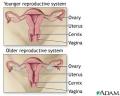 Ayurveda offers a new line of products for menopausal symptoms that are not only effective but safe. When research on hormone-replacement therapy (HRT) was suddenly discontinued by a federally-funded research program this summer, it made headlines.
A combination of artificial estrogen and progestin, HRT has been used by millions of women as a solution to a wide range of menopausal problems from hot flashes to wrinkle-free skin.
The reason for discontinuing HRT research: despite the fact that HRT has been promoted by doctors and researchers as a way to protect women against heart disease for the past thirty years, the study proved that the opposite is true.
Long-term use of HRT actually increases the risk of cardiovascular disease, stroke and clotting, and thus the 16,000 subjects involved in HRT research were at too high a risk to continue. In addition, the study definitively proved what was already indicated in 30 previous studies--that HRT also increases the risk of breast cancer.
The HRT study was conducted by the Women's Health Initiative (WHI), one of the largest research programs ever undertaken, involving over 160,000 women subjects. The WHI was begun in 1991 by the National Institutes of Health and is considered the definitive word on women's health by most doctors due to its rigorous design.
So what is a woman to do? Millions of women now feel abandoned, adrift in a sea of symptoms without relief. Many are turning to Maharishi Ayurveda for help.
Maharishi Ayurveda Products has recently developed a complete line of products to treat specific menopausal symptoms such as hot flashes, memory loss, mood swings, urinary tract infections, and reduced sexual desire. These products effectively treat these symptoms without harmful side effects. Even more importantly, the wisdom of Maharishi Ayurveda offers practical and effective ways to prevent these disorders from happening at all.
What is Soma?
Soma has to do with the finest relative or celestial value that exists in all of nature including the human physiology.
Soma has a cooling, nourishing influence on the physiology, and is associated with lunar energy. In fact, soma is another word for "essence of the moon. Soma, or lunar energy, must be balanced with agni, or the solar energy that is associated with the sun in nature and with the digestive fire in the human body.
Here's one example of how these two forces work together in the body. When you eat an apple, the apple gets crushed by agni in the digestive process, and becomes the liquid nutritive fluid (rasa dhatu). As the nutritive fluid is further metabolized by the body, it becomes more and more refined. At some point, in the gaps between the dhatus (tissues), it becomes soma.
Ideal health means maintaining a balance between the cooling, nurturing, lunar energy of soma and the warm, metabolic and cleansing energy of agni. Women naturally have more soma in their physiology than men, and thus it is very important to maintain a good quantity of soma in the female physiology in order to maintain women's health.
Q: In the West menopause is likened to a disease, with women often under a physician's care for treatment. Is the ayurvedic approach similar or does a planned program of self-care help you go through menopause relatively without discomfort?
A: In the ayurvedic tradition, menopause is viewed not as a disease but as a transitional imbalance. Just as imbalances in the body arise due to the change of seasons, changes in weather, and the changing influence of the sun, moon and planets, menopause is a natural transition in a woman's life.
And just as Maharishi Ayurveda explains how to avoid imbalances in other transitional periods of life, it explains how to avoid imbalances during menopause.These transitions from one stage of life to the next are natural, and menopause itself is manageable through Maharishi Ayurveda. To use an analogy, there may be bumps in the road due to changing from one sort of pavement to another, but if you know the bumps are coming, you can take precautions to slow down so you don't blow out your tires.
In the same way, in daily life change is unavoidable. Maharishi Ayurveda offers concrete lifestyle and dietary guidelines to make those transitions smooth. This is the value of the seasonal routine (ritucharya), and this is the value of the special ayurvedic guidelines for the other changes in a woman's life: puberty, pregnancy, postpartum and menopause. They make the transitions happen smoothly, without discomfort or disease.
So the answer to your question is yes, the knowledge of Maharishi Ayurveda offers a complete self-care program for avoiding menopausal discomfort.
Q: Why do so many women in the West experience menopause-related symptoms such as hot flashes, loss of memory, emotional imbalance, and loss of sexual drive?
A: That is a good question. The main thing to understand is that menopause takes place during the transition between the Pitta stage of life and the Vata stage of life. Maharishi Ayurveda outlines three stages of life (called Kala in Sanskrit) for both men and women: Kapha Kala forms the first trimester, when Kapha dosha predominates and the body's structure is developed to maturity. Next is Pitta Kala or the adulthood trimester, when Pitta dosha is predominant and most people achieve their peak in terms of productivity and creativity. Vata Kala, the third trimester, occurs at the end of life, and is predominated by Vata dosha.
Because menopause occurs towards the end of Pitta Kala and the beginning of Vata Kala (the exact age a woman experiences these transitions varies), it is common for a menopausal woman to experience both Vata and Pitta related imbalances. For instance, menopausal complaints such as insomnia, memory lapses, anxiety, vaginal dryness, and aging skin are all related to an imbalance in Vata dosha. Pitta-related imbalances are experienced in menopause as hot flashes, urinary tract infections, anger, irritability, hyperacidity, and skin breakouts and rashes.
If a woman already has a significant Pitta or Vata imbalance in the years before menopause, her symptoms are likely to be much, much worse.
Another factor leading to menopausal imbalances is the accumulation of the digestive impurities called ama in the physiology, often caused by eating a diet of fast foods, foods with chemicals and preservatives, and packaged, canned, frozen or left-over foods. Ama blocks the channels that transport nutrition to the cells and remove waste from the body, and thus ama contributes to disease and aging, including menopausal problems.
Basically if a woman has had problems in the years before menopause with accumulation of ama then the symptoms of menopause are likely to be worse. A third factor is the misuse and overuse of the mind, body, emotions, or senses. Basically, this happens when a woman strains her mind too much, is under too much ongoing stress or pressure, or is doing work that is too "heavy" for her body, or is under tremendous emotional stress.
So if a woman enters menopause with a Vata or Pitta imbalance, or with the accumulation of ama, or having strained her emotions, mental faculties, physical body or senses through misuse or excessive use--then these pre-existing imbalances will combine with the natural fluctuations in hormones that take place during menopause. The result will be the symptoms that we recognize as hot flashes, loss of memory, emotional imbalance, weight gain, urinary infections, vaginal dryness, loss of sexual desire, and sleep problems.
Unfortunately, these causal factors are found more often in the West, or in women who are living a fast-paced lifestyle as in the West. When I was practicing in India, the women in the villages did not have the same problems of menopause that I am seeing in my practice in the West. There is an interesting story that illustrates this difference. In the village where I lived in India, there were two identical twin sisters.
One stayed in the village all her life, and the other moved to New Delhi, the Indian capital, with her husband. When these women reached menopausal age, the sister who stayed in the village had a smooth transition with no symptoms. The sister who had moved to New Delhi eventually consulted my father because she was suffering many complications of menopause, due mainly to her faster-paced, more stressful lifestyle and lesser attention to a proper diet and daily routine.
Q: This is fascinating, that menopausal symptoms are a symptom of the imbalances of our culture as well as the time of life itself. What's the best way to prepare for menopause and prevent these imbalances from happening?
A: The most important thing is to prevent Pitta and Vata imbalances and to keep the body free of ama before menopause begins. First of all, it's important to understand that not all women will get the same symptoms. Some will have more hot flashes, some more mood swings, others a memory problem, and others a loss of libido. Very few will have all the symptoms. And some women will have no symptoms at all.
The reason for this variation, even though all women experience the same reduction in estrogen at the time of menopause, is that there are other factors in play, as we have already mentioned. If someone is of Pitta constitution, or if they are eating foods that cause a Pitta imbalance or living a lifestyle that creates those imbalances, they are going to experience more Pitta-related symptoms such as hot flashes and mood swings. On the other hand, if the person has a Vata imbalance due to having more Vata in their constitution or eating more Vata foods and living a Vata-aggravating lifestyle, then they will experience more Vata-related symptoms, such as memory loss and vaginal dryness.
So it's important to identify the etiological (causal) factors behind the symptoms. You could say that the main cause is the drop in hormones due to menopause, and certainly this is a major transition in a woman's life. But if the cause is only a drop in hormones, why isn't every woman getting the same symptoms? An intelligent woman can see that there also has to be some imbalance there in order for specific symptoms to manifest. And that is what you need to identify, whether it's a Vata or Pitta imbalance, and you need to stop doing those things that are causing the imbalance.So if you start to have any of the Pitta-based problems of menopause, be sure to follow a Pitta-pacifying diet. Avoid foods that are spicy, such as chilies, cayenne and black mustard seed. Salty foods and foods that are sour, such as yogurt (unless it is diluted and sweetened in a drink called lassi) and sour fruits such as ketchup, mustard, and other salad dressings and condiments made with vinegar should also be avoided.
Favor foods that are bitter, astringent and sweet, as these are cooling to Pitta dosha. Bitter and astringent foods include most vegetables. Sweet foods include rice, milk and cream, sweet lassi, wheat products, pasta. Sweet, juicy fruits such as pears and plums also pacify Pitta dosha. Cook with Pitta-reducing spices, such as cinnamon, coriander, cardamom, fennel and small amounts of cumin seed.
If you start to have some Vata-related symptoms of menopause such as memory loss or vaginal dryness, you'll want to work at bringing Vata dosha back into balance. For this, you'll want to eat foods that are cooked, warm, and unctuous (meaning that they have a small amount of good fats such as ghee and olive oil). Eat foods that are sweet, sour and salty, as this balances Vata dosha.
Apana Vata, which governs the genito-urinary tract, elimination, and menstruation, is a key area to attend to when preparing for menopause. Drink plenty of warm water throughout the day. Eat plenty of cooked, leafy greens, as this helps elimination and is also a good source of calcium. For both Pitta and Vata imbalances, a breakfast of cooked apples and prunes and figs is a good way to start the day, as it balances the doshas and cleanses the digestion.
In addition to balancing Pitta and Vata dosha, it's important to keep your digestion strong and free of ama. All of the above suggestions will help with this, In addition, avoid eating foods that are packaged, processed, frozen, canned or left over. Eat organic foods that are cooked fresh each day. The bulk of your diet should consist of whole grains, fresh fruits and vegetables, and legumes and light dairy products such as milk, lassi or panir for protein. This type of light but nourishing diet will aid your digestion and avoid the build-up of ama. Avoid heavy foods such as meat, cheese, yogurt and frozen desserts like ice cream, especially at night.
Q: And are there any lifestyle tips for preparing for menopause?
A: Yes. Sleep is an important area of concern for the woman entering menopause, because both Vata and Pitta imbalances can cause sleep problems that will only make menopausal imbalances worse. To keep both doshas in balance and to sleep more deeply at night, be sure you're in bed before 10:00 p.m. and that you arise before 6:00 a.m. This is the time of night when sleep comes easier and is more restful. If you stay awake past 10:00, it will be harder to fall asleep, and you'll also increase any Pitta imbalance, because 10:00 p.m. to 2:00 a.m. is the Pitta time of night, when the body needs to be at rest in order to cleanse and purify itself.
The morning abhyanga or ayurvedic oil massage is extremely important for preventing menopausal problems. Use the Youthful Skin Oil for Women. This oil is designed to increase circulation, calm Vata dosha, and prov ide needed moisture to the skin. For both Pitta and Vata dosha, it's important not to skip meals, and to eat your main meal at noon, when digestion is the strongest. Try to eat at the same time every day, and go to bed and wake up at the same time. And be sure to get lots of rest during your menstrual cycle as you approach menopause, because this will keep Apana Vata in balance and avoid more serious complications of menopause. Daily exercise (gentle for Vata and not too overheating for Pitta) is also important for keeping all doshas in balance. F inally, practice of the Transcendental Meditation® program is an effective way to keep the doshas in balance, to keep the mind clear and focused, and to calm the emotions and dissolve stress.
Q: You've given us a clear picture of what to do to prevent menopausal problems. What should a woman do during menopause?
A: All of these dietary and lifestyle suggestions that I just described to help prevent menopausal problems will also help keep Pitta and Vata dosha in balance once menopause begins.
Q: I understand that you have developed a completely new line of products for menopause called the Graceful Transition line of nutritional supplements. Can you tell us about this targeted line of products for menopause?
A: The Graceful Transition line as a whole is designed to prevent and address the imbalances related to menopause. It provides both general support and targets specific imbalances that women experience before, during and after menopause. The Graceful Transition line includes these products: Hot Flash Relief, Midlife for Women 1, and Midlife for Women2. In addition, the program includes dietary and lifestyle recommendations to correct specific imbalances during menopause.
The entire program is targeted especially for women of the West: who have the Western physiology, live in that environment, or work in that culture. It addresses the dietary needs, lifestyle and stress levels of women who live a fast-paced life. This program is designed to promote the overall emotional, physical and mental health of women. It helps keep the body free of ama and maintains the balance between soma (lunar energy) and agni (solar energy).
Q: That sounds like an amazingly comprehensive program. Can you tell us first of all what causes each type of imbalance and how each formula from the Graceful Transition line can help?
A: Certainly. Let's start with hot flashes. Hot flashes are caused when too much Pitta dosha accumulates in the body and at the same time ama blocks the channels (srotas). This causes the circulation of heat to become uneven, which women experience as hot flashes. Hot flashes, you could say, are the body's attempt to release heat that has accumulated due to blocked channels.
There is another factor that is highly important here, and that is the influence of soma on a woman's physiology. Soma is the cooling, nourishing substance related to lunar energy that is more predominant in a woman's physiology (see box for more detailed explanation). When, due to Vata and Pitta imbalances, the cooling soma decreases, this contributes to chronic hot flashes. Hot Pitta burns soma and high Vata dries it. When the channels are clogged and the release of heat in the body gets obstructed, then heat builds up and eventually gets released through uncomfortable hot flashes or night sweats.
Once there is this level of Pitta imbalance, and the damage has been done, so to speak, then what is needed is an herbal product to reduce Pitta in the deeper tissues of the body, such as the muscle and fat tissues. In addition, the microcirculatory channels of all the tissues (dhatus) and the waste products (malas) need to be cleansed. It's necessary to regulate the heat throughout the body and the brain as well. Most importantly, the connection between the the mind and body and the mind and the heart need to be re-established. In ayurvedic terms, this relationship between mind and heart is governed by Sadhaka Pitta, the subdosha that regulates the emotions and their effect on the heart, and Prana Vata, the subdosha that regulates the mind and senses. Finally, in chronic situations, soma must be increased, because the burning effect of hot flashes has reduced it to critical lows.
Hot Flash Relief is designed to repair all of these imbalances in order to cool the body and reduce hot flashes during menopause.
Q: That's remarkable, that Hot Flash Relief has been designed to take into account all these different causes of hot flashes. Can you tell us something about the herbs in the formula and how they achieve these effects?
A: Let's look at the first benefit this formula imparts: to reduce Pitta in the deeper tissues of the body. To reduce Pitta imbalance in the deeper tissues, the fat (medha) and muscle (mamsa) tissues, we added the ayurvedic herbs Shatavari, Indian Asparagus, Indian Sarsaparilla, Khus Khus Grass, Water Lily, Sandalwood, Indian Tinospora, Cabbage Rose, and Mica Bhasma. These herbs, when combined, perform an important task. They go deep into the fat and muscle tissues and remove the heat that has been stored there.
There's a very interesting story related to one of these ingredients, Water Lily, which to me illustrates how this wisdom of Maharishi Ayurveda is so profound. In ancient times, the great seers were aware that there were many herbs to increase soma and reduce heat in the deep tissues of the body. But they also knew that there was only one herb that is ideal to increase soma production in women, and that herb is the Water Lily.
Now, every herb has its own intelligence, its own purpose. Some plants are receptors for solar energy (agni), and thus have a heating effect on the human physiology. Other plants are receptors for lunar energy (soma), and thus have a cooling, nourishing effect. To understand how this works, think of a chili pepper. Nature has given it a receptor, you could say, that allows it to store solar energy. If you allow a green chili to mature until it is red in color, it will store more solar energy and we experience this as a hotter taste.
I learned a valuable lesson about the intelligence of herbs when I was interning with my father. We lived near a pond in which the Water Lily and the Red Lotus grew. The Red Lotus is large and red, and its petals are open during the day and closed at night. The Water Lily, on the other hand, opens its petals at night and closes them during the day.
My father pointed out that both lilies are cool by nature because they live in the water and derive their nourishment from the water. So both are good for pacifying Pitta on the deeper tissues, as is needed in the Hot Flash Relief formula. But if you also need an herb that increases soma, then the best choice is the Water Lily, because its petals are open during the night and closed during the day. The fact that it is open to the moon and closed to the sun makes it a receptor of lunar energy, and the best herb to increase soma in the feminine physiology.
You can see from this illustration that if you follow the traditional, proven guidelines of Maharishi Ayurveda, the formulation ends up being unique and highly effective.
Q: That's a fascinating story. What other herbs are used in this formula?
A: Other herbs such as Long Pepper, Indian Sarsaparilla, Turbinella rapa Bhasma and Cumin seed cleanse ama from the microchannels. Indian Tinospora, Shatavari, Coral (Corallium Rubrum) and Licorice nourish the connection between mind and body and mind and heart. Khus Khus Grass (Vetiver), Sandalwood and Mica Bhasma maintain proper heat regulation.
As far as dietary tips for reducing hot flashes, follow a Pitta pacifying diet. Don't eat anything that aggravates Pitta. Favor more sweet, juicy fruits, Rose Petal Preserve, and start the day with a stewed apple.
Keep your home environment cool, pleasant and loving. Fill your garden and home with roses. For daily abhyanga (ayurvedic oil massage), use 50% Youthful Skin Oil and 50% Cool Sensation Oil. This will calm and balance the emotions and support coordination of body, mind and heart.
Q: Can you tell us what causes other Pitta-related imbalances, such as mood swings?
A: Changing hormones can contribute to emotional ups and downs during menopause, and this physiological change can be magnified by special problems such as work pressures, children leaving the home, the burden of caring for ailing parents, and financial and marital problems. When emotional stress becomes chronic, even the brain chemicals can be affected, leading to feelings of depression.
Sadhaka Pitta, which governs the emotions and their effect on the heart, is often thrown out of balance when Pitta dosha becomes aggravated, creating sudden mood swings and a critical attitude towards loved ones.
To counteract mood swings, I'd recommend taking Stress Free Emotions along with a Pitta pacifying diet. If you feel critical or upset, try eating a sweet, juicy pear or take a teaspoon of Rose Petal Preserve. It's very important to take care of emotional imbalances when they first appear, because if left untreated they can cause major problems and even lead to early menopause. So it's very important to keep Sadhaka Pitta in balance at all times.
The various herbs in Stress Free Emotions combine to do three things: enhance coordination between mind and emotions, cleanse the channels between heart and mind, and nourish the heart and mind.
Q: What is the best way to approach multiple symptoms? Can a woman take all of these formulas at one time?
A: If a woman has multiple symptoms, she should try to find out which symptom occurred first. Then she should try to address that problem first, and make the recommended lifestyle and dietary changes along with taking the formulation.
What often happens is that one imbalance creates additional imbalances, with the root imbalance causing other symptoms to manifest. So as a general rule in Maharishi Ayurveda, we address the symptom and underlying imbalance that occurred first, since it is often the cause of later problems. For instance, if someone is hungry and then gets a headache, it would be wise to eat a meal first, instead of just popping a pain-relieving pill. The secondary symptom is often related to the first symptom, in the same way that the headache is related to hunger.
In general, take only two of the Graceful Transition formulas at one time, and in special cases up to three. But if you feel you have three or more symptoms, it's best to consult a physician trained in Maharishi Ayurveda, who can determine the primary cause through nadi vigyan (pulse diagnosis). This is also a good idea if you are taking other herbal formulas or medications.
An important part of this program is knowledge, and I'd highly recommend the newly released book, A Woman's Best Medicine for Menopause: Your Personal Guide to Radiant Good Health Using Maharishi Ayurveda, by Nancy Lonsdorf, M.D. This book gives a deep understanding of menopause, its imbalances, and the causes of specific symptoms. It also outlines a complete self-care program for taking care of those symptoms and removing the imbalances at their source.
Q: How do Midlife for Women I and II fit in with these Graceful Transition targeted menopause formulas? And what about taking Maharishi Amrit Kalash with these products?
A: I'm glad you asked because this is important to clarify. Midlife for Women I and II should be taken along with the new targeted formulas from the Graceful Transition lines. Midlife for Women I (for preparing for menopause) and Midlife for Women II (for during menopause) provide overall support. A woman needs both types of nourishment and support--general and specific.
Many women won't have any symptoms, and will be able to stay in balance by just taking Midlife for Women I or II. For women who have specific imbalances, such as hot flashes, mood swings, urinary tract disorders, vaginal dryness or memory loss, they should take both the Midlife for Women I or II plus up to two of the specific formulas.
Maharishi Amrit Kalash is the supreme rasayana, or herbal compound, for overall balance and youthfulness, so it can be taken in addition to two other herbal formulas.
Q: Osteoporosis is, of course, another problem often associated with menopause. Can you tell us something about the Calcium Support formula?
A: The Calcium Support formula is a vegetarian source of calcium that is easily absorbable and safe. Since one of the problems with calcium supplements is that they are often not absorbed by the body, this formula focuses on absorption, and contains herbs that enhance absorption of calcium. It also enhances the metabolic mechanisms between fat and bone tissue, so the bone tissue can actually utilize the calcium and other nutrients supportive to the bone. This high absorbability makes Calcium Support a unique product on the market today. Many commercial varieties are digested but not absorbed by the body, which creates a strain on the kidneys to remove the excess calcium through the urinary tract.
Another important feature of Calcium Support is that it is lead-free. Many commercial calcium supplements today contain lead, which is harmful to the body. Calcium Support contains Pearl Bhasma, which is one of the richest sources of calcium mentioned in the traditional ayurvedic texts. It and the other natural sources of calcium are easily absorbable and natural.
Q: Should you take the Calcium Support along with the Graceful Transition supplements?
A: Women of any age can take Calcium Support on an ongoing basis as you would a food, one tablet twice a day, without counting it as one of the Graceful Transition formulas that you take.
Because Herbal Calcium Absorb contains herbs to enhance utilization, and because the herbs also increase the absorption of calcium from the food you eat, it is much more effective in supplying needed calcium to menopausal women than the large quantities normally recommended for other types of calcium supplements.
Q: Menopausal women sometimes complain about skin and hair problems such as acne. What are the reasons for these symptoms?
A: One reason is that the decrease in estrogen and the onset of Vata time of life associated with menopause causes the glands to produce less oil and the deeper fat layers to become thinner.
This drying effect of Vata dosha causes the skin to wrinkle and lose its softness.
The surface layer of the skin also thins, and thus many women find that their skin is more sensitive to sunburn, windy and dry conditions, and allergens. That's why women in their fifties are sometimes dismayed to find that they have a case of acne, something they haven't faced since adolescence.
Aging also causes a decrease in circulation and blood flow, so the skin is no longer nourished on deeper levels. This, along with the drying of natural emollients, can cause the skin to look pale and pasty. Fluctuations in hormones also cause collagen to decrease, making the skin less firm and youthful looking.
Q: Do women just have to accept these changes, or is there something that they can do to increase the natural vitality and beauty of their skin?
A: Maharishi Ayurveda offers a wide range of remedies to keep a woman's skin healthy and youthful as she ages. The most important thing is to identify your skin type. Vata skin is delicate, thin, fine-pored and cool when you touch it. When out of balance, it is more prone to dryness, roughness, a gray or wan color, wrinkles and early aging. Pitta skin is usually fair and sensitive, with a tendency to freckles, moles, pinkish or reddish color. When out of balance it can develop sunspots, rashes, and breakouts. Kapha skin is usually soft, oily, thick, and darker in color. When out of balance, it can develop enlarged pores, blackheads and pimples, moist types of eczema and water retention.
For Vata skin, you'll want to moisturize your skin from the inside and out. Drink several glasses of pure water a day. Eat plenty of sweet, juicy fruits. Follow a Vata pacifying diet. Because Vata skin is delicate, you'll want to avoid harsh cleansers or products with chemical ingredients. The Youthful Skin Massage Oil is especially soothing to Vata, and helps nourish and soothe the skin.
For Pitta skin, which tends to be extremely sensitive, you'll also want to avoid harsh chemical ingredients. Cooling foods and tastes are best for your diet. Include Ghee and Rose Petal Preserve in your diet.
The Youthful Skin products are ideal for rejuvenating dry and aging skin and making it youthful again, and are completely free of harmful additives and preservatives. In fact, the Youthful Skin Cream is comprised of 9.5% herbal extract, which is truly an unheard of percentage. Most skin creams that are labeled "herbal" or "natural" contain only .025-1% herbal extracts.
Youthful Skin Cream has been tested in an independent laboratory with impressive results.
After two months, skin thickness increased by an average of 14.59%, which is a remarkable result from an all-natural cream. Wrinkles were reduced an average of 33% in the first month, and by 40% in just three months. Firmness, clarity and radiance, and moisturizing of the skin all were also substantially improved.
One reason that Youthful Skin Cream is so effective in moisturizing the skin is that the herbs open the channels and allow moisture to be conveyed to the deepest layers of the skin. Youthful Skin Cream, even though applied from the outside, actually improves the metabolism of the skin and opens the channels so it can show the results of being moisturized from the inside (by drinking water) and from the outside with the application of the cream.
The Youthful Skin Herbal Tablets are also a big help for menopause-related skin problems, because they promote contentment and serenity even in the face of stressful challenges. This formula also nourishes the deepest layer of the skin, the rohini layer, which means that it helps replenish and rebuild the tissues and fluids necessary for healthy skin.
Maharishi Ayurveda Products International, Inc.
Subscribe to:
Posts (Atom)


Kamaraja

