Sunday, November 26, 2006

Wild Wheat Gene Raises Domestic Grain's Goodness

(HealthDay News) -- Whole wheat may soon be even better for you.

American and Israeli scientists have cloned a wild wheat gene that they say boosts the protein, iron and zinc content in the grain. The discovery might even help ease nutritional deficiencies affecting millions of children worldwide, they say.

"Wheat is one of the world's major crops, providing approximately one-fifth of all calories consumed by humans, therefore, even small increases in wheat's nutritional value may help decrease deficiencies in protein and key micronutrients," research leader Professor Jorge Dubcovsky, of the University of California, Davis, said in a prepared statement.

The gene, GPC-B1, accelerated grain maturity and resulted in a 10 percent to 15 percent increased protein and micronutrient content in wheat varieties tested so far by the scientists.
The findings appear in the Nov. 24 issue of Science.

More than 2 billion people worldwide are deficient in zinc and iron, and more than 160 million children younger than 5 don't get enough protein, according to the World Health Organization.
Dubcovsky and his colleagues were surprised to discover that all cultivated pasta and bread-wheat varieties they've analyzed so far have a nonfunctional copy of GPC-B1. This suggests the gene was lost as humans developed domesticated wheat varieties.

"Therefore, the reintroduction of the functional gene from the wild species into commercial wheat varieties has the potential to increase the nutritional value of a large proportion of our current cultivated wheat varieties," Dubcovsky said. "Furthermore, this discovery provides a clear example of the value and importance of conserving the wild germplasm -- the source of genetic diversity -- of our crop species."

More information
The American Academy of Family Physicians has more about nutrition.

Uneven Leg Length May Boost Arthritis Risk

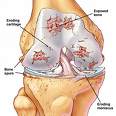
(HealthDay News) -- People whose legs are of uneven lengths are at increased odds for knee and hip osteoarthritis, U.S. research suggests.

The study concluded that a leg length difference of as little as two centimeters (about 4/5ths of an inch) could raise osteoarthritis risk.

Researchers studied 3,161 people enrolled in the Johnston County Osteoarthritis Project in North Carolina.

They found that 6.4 percent of them had legs of different lengths. Differences in leg length occurred with equal frequency in men and women and in blacks and whites.

Compared to people with legs of equal length, those with leg length differences of two centimeters or more were more likely to develop hip osteoarthritis (32.5 percent vs. 26.1 percent) and knee osteoarthritis (45.3 percent vs. 29 percent) and were more likely to have severe disease, the study found.

The actual location of osteoarthritis did not seem to be associated with either the longer or shorter limb, although right hip osteoarthritis was more common in people whose left leg was longer than in those with a longer right leg.

"Recognizing that leg length inequality has a significant association with hip and particularly knee osteoarthritis opens the door to more studies on whether leg length variances might cause the development and progression of the disease," senior investigator Dr. Joanne M. Jordan, associate professor of medicine and orthopedics at the University of North Carolina, Chapel Hill, said in a prepared statement.

"The findings from this study may help us predict who may develop osteoarthritis and who may have symptoms that worsen or have a potential risk of increased disability. Studies to test whether correction of leg length inequality with orthotics or shoe lifts can prevent the onset of osteoarthritis, or its progression, would be a logical next step," Jordan said.

The findings were presented recently at the annual scientific meeting of the American College of Rheumatology, in Washington, D.C.

More information
The U.S. National Institute of Arthritis and Musculoskeletal and Skin Diseases has more about osteoarthritis.

Using the Mind to Cure the Body

(HealthDay News) -- The medical community traditionally has relied on potent drugs to relieve severe pain. But in a number of academic settings across the country, health-care practitioners are adding another therapeutic weapon to the mix -- they're helping patients harness the healing power of their own imaginations.

The use of guided imagery, or mental images, to evoke physical benefits is perhaps the oldest form of therapy known to man, explained David E. Bresler, a founder of the Academy for Guided Imagery in Malibu, Calif. In fact, imagery is woven into the fabric of many ancient cultures' healing rituals, he said.

Today, academic researchers are studying guided imagery's use as an adjunct to more traditional medical treatments.

"I think it's just the beginning, really, even though it's been around a long time," said Bresler, whose academy instructs clinicians, including pediatricians, in the use of imagery to evoke physiologic changes that promote healing. A traditionally trained Ph.D. neuroscientist, he first became intrigued with alternative methods of pain relief in the early 1970s as founder and director of the University of California, Los Angeles, Pain Control Unit.

While much of the ongoing research is preliminary, practitioners of guided imagery are encouraged by initial results among children and adults.

Nola Schmidt, associate professor of nursing at Valparaiso University in Valparaiso, Ind., recently completed a pilot study at Children's Memorial Hospital in Chicago examining guided imagery's effect among children with pain due to sickle cell disease or stem cell transplants. Of the 17 participants, eight were randomly assigned to listen to guided-imagery tapes created especially for each child.

Most tapes were vague, allowing the children to insert different scenes each time they listened to a recording. "For example," Schmidt said, "a tape may start out: 'OK, we want you to relax and close your eyes, take a deep breath, feel the air go in, feel the air go out.' " The child is invited to imagine being in "one of your favorite places" and to describe the sights, sounds and smells he or she encounters.

Children in the experimental and control groups also kept pain diaries. Their entries recorded when and where they felt pain, what they did to feel better and how much they hurt before and after those interventions.

On a 0-to-10 scale, children in the guided-imagery group had an average post-pain intervention score of 4.3, a point lower than children in the control group. While the difference was not statistically significant, Schmidt believes it is "clinically" significant.

"If it works for you, and it reduced your pain by one point or two points, isn't it worth it?" she asked.

Bresler noted that his academy trains a lot of pediatricians to use guided-imagery techniques. But kids aren't the only patients benefiting from this mind-body therapy. Sports psychologists use it to enhance athletes' physical performance. And cancer centers often use it to relieve patients' pain and nausea.

Carol L. Baird, an associate professor of nursing at Purdue University in West Lafayette, Ind., recently tested guided imagery with a relaxation component among older women suffering from osteoarthritis.

Half of the 28 volunteers in the pilot study listened to recordings that described a pleasant scene and guided listeners to engage all of their senses. After 12 weeks, the experimental group experienced a significant reduction in pain compared with women in the control group. The guided-imagery group also had increased mobility, the study showed.

What's more, a separate study involving the same volunteers found that guided imagery with relaxation seemed to improve their quality of life, she said.

Baird thinks the guided-imagery approach has exciting potential. "For one thing, it's so easy to use," she noted. It's also inexpensive and easy to teach, making it suitable for patients to use in their own self-care, she added.

Of course, it may not be for everyone, especially people who have difficulty visualizing images in their heads, Baird acknowledged. In the future, she plans to do studies that measure people's "imaging ability."

On the other hand, guided-imagery experts say the technique has minimal side effects, if any.

So why not try it?

Schmidt suspects science someday will reveal a concrete biological reason why guided imagery works. In fact, animal studies suggest that images in the brain can stimulate neurotransmitters that, in turn, block pain receptors, she said.

But for patients garnering relief today, a neurochemical explanation may not be necessary.

"I mean, who cares why it works, if it works," she said.

More information
To learn more about guided imagery, visit the University of California, San Diego.

Stretch Away the Pain of Plantar Fasciitis

(HealthDay News) -- Something as simple as a stretch could ease the pain of plantar fasciitis, a condition that causes heel pain and difficulty walking.

The newly developed stretch targets the plantar fascia, the flat band of tissue that connects the heel bone to the toes. Plantar fasciitis occurs when the plantar fascia is strained, resulting in weakness, inflammation and irritation.

A study published in the Journal of Bone and Joint Surgery found that the stretch was 75 percent successful in relieving pain and enabling patients to return to full activity within three to six months. After doing the exercise, about 75 percent of patients needed no further treatment, the study said.

The stretch was developed by Dr. Benedict DiGiovanni, associate professor of orthopedic surgery at the University of Rochester, and Deborah Nawoczenski, professor of physical therapy at Ithaca College.

Here's how it works: Patients sit with one leg crossed over the other and stretch the arch of the foot by taking one hand and pulling the toes back toward the shin for a count of 10.

The stretch needs to be repeated 10 times, and patients need to do at least three stretching sessions a day.
"Plantar fasciitis is everywhere, but we really haven't had a good handle on it.

The condition often causes chronic symptoms and typically takes about nine to 10 months to burn itself out, and for people experiencing this pain, that's way too long to suffer through it," DiGiovanni said in a prepared statement.

The condition is common in middle-aged people and young people who spend a lot of time on their feet.

More information
The American Academy of Family Physicians has more about plantar fasciitis.

Friday, November 10, 2006

Tips For An Ayurvedic Lifestyle

Feeling irresolute about wanting to make those New Year's Resolutions? Consider this: During your lifetime, advances in medical sciences will add about two years to your life, but changes in your personal behavior -- read lifestyle -- can add 15+ years. Isn't it about time to make some changes?

Ayurvedic healing, as you know, places the highest value on good lifestyle. Ayurveda describes four types of life: hita-ayu, ahita-ayu, sukha-ayu and dukha-ayu: Hita-ayu is life that is led for doing good to yourself and others. Ahita-ayu refer to actions which are not for the good of yourself or another person. Sukha-ayu refers to those healthful and blissful actions that you do for the good of your physiology, while dukha-ayu is leading a life that harms the physiology. Choose to lead the hita-ayu and sukha-ayu life, and your days will be filled with bounty in every way.

The Council of Maharishi Ayurveda Physicians shows you how to lead the hita-sukha lifestyle this year.

THE CUP THAT CHEERS

This year, discover the cup that really cheers: Kicking the coffee habit can be hard -- in fact some researchers today say that taken in moderation, caffeine can actually help fend off Parkinson's disease, increase alertness and improve moods. So if you're among the 160 million Americans who love coffee, that's grounds for celebration.
But… remember that all the research underlines coffee-consumption in moderation -- that is, not more than 2 cups a day. What when the urge for the 3rd cup hits?

Try Raja's Cup: a precise blend of four potent herbs -- Clearing Nut, Kasmard, Licorice and Winter Cherry -- this time-tested beverage helps promote well-being and vitality. Published research shows that Raja's Cup has hundreds of times the antioxidant power of vitamin C or vitamin E. And it tastes delicious too! In a blind taste test, coffee drinkers thought that Raja's Cup was actually coffee. Caffeine-free, with no grains, Raja's Cup can be enjoyed any time of day -- after meals, at breakfast or before bed.

SPICE UP YOUR LIFE

Make this year the year of spice: The confusion about what to eat is getting worse every day. The fashion and entertainment industry urges you to be thin, and commercials promote junk food. What's found to be healthy one day is proved by research to be unhealthy the next.

But one thing is for sure. Whatever other surprises research might throw up, it is never likely to prove that artificial, chemical-laden foods are good for you. This year let your resolution be to discard all those over-processed, milled, greasy foods from your kitchen cabinets. Eat fresh, organic, whole foods that are alive with nature's intelligence.

Learn to use spices and herbs in your daily cooking for more flavor, aroma and healing benefits. You'll derive maximum benefit from spices if you blend them to make sure you get all six flavors ayurveda recommends -- that is, sweet, salty, sour, pungent, bitter, and astringent. Sounds like too much trouble? Try Maharishi Ayurveda Churnas, which are blended precisely to make sure you get balanced flavor.

USE GHEE

One of Maharishi Ayurveda's best kept secret's is the virtues of Ghee (Clarified butter) -- a time-honored alternative to ordinary cooking oil. Ghee is all-natural, salt-free and lactose-free. Chefs know that you can use half as much Ghee as ordinary oils. And it stays fresh for weeks at room temperature.

Ghee helps bring out the lipid-soluble portion of spices so you can gain the full benefit of the spices. Plus, ayurvedic doctors report that Ghee aids digestion and absorption of nutrients while reducing excess stomach acid.

Don't visit your doctor too often: A recent study that surveyed hundreds of American men found that 4 out of 5 men feel sick at least once in a month, and 1 in 5 goes to a doctor for some health problem. Don't be an unhappy statistic this year. Learn why disease happens, then strive to keep it away. Ayurveda believes that accumulated toxins or "ama" are the reason why all disease takes root.

Keep your body ama -free by following five simple steps:
Sip plain hot water frequently throughout the day. This helps the body digest food and eliminate ama efficiently.

Eat a warm, full meal at lunchtime, with all the six tastes on your platter -- sweet, bitter, salty, sour, pungent and astringent.

Take at least 20 minutes to eat, and sit quietly for a few minutes after you've finished your meal.

Eat a light, early dinner and drink only liquids after 8 p.m.
Build your immunity: Discover the power of Amrit. Amrit is a powerful, holistic nutritional supplement for mind and body. It provides comprehensive nourishment at fundamental levels, helping to strengthen each cell for optimum functioning. Forty-four rare whole herbs and fruits are combined in precise proportions in this powerful formula to keep the body functioning at peak efficiency and filled with vitality.

GET YOUR ZZZs

Get 365 nights of great sleep: Sleep apnea, narcolepsy, insomnia: these are just a few of the recognized disorders that keep their afflicted from getting enough sleep. Nearly half of all Americans have difficulty sleeping.

Don't be one of them this year.

Turn to ayurveda for simple and practical solutions to help you sleep well. Herbs have long been known to calm the mind and improve the quality of sleep. Indian Valerian, Muskroot and Winter Cherry (Ashwagandha) are some of the star sleep-friendly herbs that Maharishi Ayurveda's Blissful Sleep herbal formula contains. The herbs in this synergistic formula produce a calming, balancing effect on the body, mind and emotions.

Blissful Sleep can be used in conjunction with the Worry Free formula if you tend to worry about being able to sleep well.
Besides the herbs, there's time-tested advice. Ayurvedic physicians have, for instance, always recommended a glass of warm milk before bedtime. Modern research explains the scientific reason for this: milk taken at this time helps the body absorb tryptophan, a sleep-promoting amino acid that releases melatonin, the hormone that helps you sleep well.

THE POWER OF POSITIVE THINKING

Heal the Self: The most important relationship in the world is that you have with your own self. In sickness and in health, for better or for worse. The stresses of daily life, however, make it a struggle to keep in touch with your natural reservoir of creativity, nurturance and intelligence. Result: your efforts to love and care for others become a struggle, leaving you empty and cold inside.

This year, resolve to get back in touch with the reservoir of love inside, so you can give without being exhausted, care without wanting to cling. A great way to achieve this is by learning Transcendental Meditation™, which is an effortless, proven way to take you back to the field of natural calm and peace. TM™ makes you more productive, energetic and positive-and when you're feeling so good about yourself, it's easy to feel loving towards other people.

HOW TO KEEP YOURSELF MOTIVATED

READ UP: Making a resolution is essentially about changing established unhealthy patterns-right from sleeping late to eating the wrong kind of foods. A superb way to motivate yourself is to read up on how lack of sleep damages your physiology and psychology; or how the wrong food combinations taken at the wrong time of day can play havoc with your entire system. Thanks to the internet, all this information is just a click away.

SHARE YOUR GOALS: Tell someone about your fresh resolutions, and seek their co-operation. Invite your friend/mother/boss to do what you are going to do. This way, you not only ensure that you are motivated, but also inspire others to live more healthfully.

BE REALISTIC: Don't go into your resolution with an all-or-nothing attitude. It's okay to slip up. What's more, think of ayurvedic lifestyle guidelines as bonus points: you benefit tremendously if you pick up more points, but not picking them up once in a while won't harm you in any way.

RECORD YOUR PROGRESS: A calendar with stars, or better still, a personal journal is an excellent incentive for tracking your successes and failures. A journal does more than keep records-it puts you back in touch with yourself, improving the way you feel about the whole world.

REWARD YOUR SUCCESSES: But don't punish yourself for failures. Although following a new healthful routine is in itself a reward, you will do better by rewarding yourself externally too. Promise to buy yourself a good book or a new dress at the end of a healthy week. When you have something good to look forward to, keeping up with that nightly glass of milk or timely lunch becomes a pleasure.

UNDERSTAND THE SPIRIT OF WINTER: Winter's dark, cold, slow-moving nature makes it the worst time of year to begin a vigorous workout schedule or stringent weight-loss program, like many of us do as New Year's resolutions. It is a time to conserve strength, to rest, and to build energy, not expend it. Just as plants reemerge in the spring, so should you. So whatever your resolve, make sure it is in tune with the season.

Monday, November 06, 2006

Regular Exercise Helps Obese Teens' Hearts

(HealthDay News) -- Obese teens who start a regular exercise program can reverse or reduce early signs of heart disease, new research shows.

The finding suggests that continued exercise could decrease their risk of developing hardening of the arteries, heart attacks and strokes, said Dr. Andreas Alexander Meyer, of the University of Rostock in Germany.

"Obese young adults who were already obese in childhood have a high risk of developing serious cardiovascular events," Meyer said. "First events can occur between the age of 20 and 30 years."

Meyer's team studied 67 obese German teens with early signs of hardening of the arteries: decreased flexibility of their arteries and increased thickness in the linings of the carotid arteries of the neck.

"It was in the range we usually see in adults between the ages of 30 and 40," Meyer said. "This is clear evidence of vascular changes in obese children."

During the study, the researchers randomly assigned the teens, who averaged 15 years of age, to either a six-month exercise program or no change in their usual routine.

The exercise regimen included 60 minutes of swimming and water aerobics on Mondays, 90 minutes of team sports on Wednesdays and 60 minutes of walking on Fridays.

In the exercise group, the researchers saw an almost complete restoration of the arteries' flexibility, which resulted in improved blood flow. They also observed a significant reduction in the thickness of the linings of the youths' carotid arteries.

Because exercise also led to improvements in body-mass index (BMI), blood pressure, and cholesterol and triglyceride levels, the researchers concluded that it could significantly reduce the teens' risk of developing heart disease. "Even children who did not lose weight showed improvements in vascular status and obesity-related risk factors," Meyer said.

The study results are published in the Nov. 7 issue of the Journal of the American College of Cardiology.

Meyer cautioned that these benefits would quickly vanish if the teens did not maintain their healthy new lifestyle and strive to become even more physically active. "Generally, in children, we recommend moderate exercise of 45-90 minutes per day to keep cardiovascular risk low," he said.

Parental support is essential, Meyer said, but it can be difficult to convince parents -- who may themselves be obese and sedentary -- that their children's lives depend on eating right and exercising regularly.

"Most obese children don't get sufficient support in their efforts to reduce weight," Meyer said. "We have intensive talks with the parents about their children's medical and vascular status. We try to make clear that the whole family needs to change its risky behavior."

In recent years, childhood obesity has become a worldwide epidemic, affecting an estimated 22 million children under age 5. In the United States, one-third of children are either obese or at risk of becoming obese, according to a 2006 federal report, Progress in Preventing Childhood Obesity: How Do We Measure Up?.

Between 2002 and 2004, the obesity rate for American children and teens increased from 16 percent to 17.1 percent and is expected to reach 20 percent by 2010, according to the report.
"All children and adolescents should engage in at least 60 minutes of physical activity on most, preferably all, days of the week," said Karen A. Donato, coordinator of the National Heart, Lung and Blood Institute's Obesity Education Initiative. She was not part of the study.

"According to the U.S. dietary guidelines for Americans, regular physical activity has been shown to reduce the risk of certain chronic diseases, including high blood pressure, stroke, coronary artery disease and type 2 diabetes," Donato said. "The National Institutes of Health has begun a national education program entitled We Can! (Ways to Enhance Children's Activity and Nutrition) to provide parents and primary caregivers of children with important information and tips on ways to increase physical activity in children and youth, as well as to decrease screen time, and eat a nutritious diet."

More information
For more on childhood obesity, head to the U.S. Centers for Disease Control and Prevention.

Pleasant Surroundings Boost Walking Habits

(HealthDay News) -- The availability of pleasant, shopping-friendly locales is more likely to influence whether or not people walk regularly than factors such as traffic or crime, a new study finds.

Researchers at the University of Victoria in British Columbia, Canada, analyzed questionnaires filled out by 351 people. They were asked about their attitudes toward walking; how much they walked; whether there were paths, trails, parks or recreational facilities near their homes; and their thoughts about local neighborhoods and walking areas.

The team found that neighborhood aesthetics and the mix of retail stores were more important that local crime levels or traffic in terms of motivating people to walk.

The most surprising finding was the strong link between a person's intention to walk and actually doing it, if they had a good place to walk. In other words, if a person wanted to walk, having a good place to walk made it more likely to happen. However, a good place to walk had no impact if the person had no intention to walk in the first place.

The study is published in the November/December issue of the American Journal of Health Promotion.
"These findings are not going to translate into getting people to walk more," John Librett, an adjunct professor at Utah College of Health in Salt Lake City, said in a prepared statement. He was not involved in the study.

However, he said the findings should prompt community planners to consider how the design of neighborhoods and urban areas affects people's walking behavior. Redesigning old neighborhoods and creating new ones that promote walking is good for public health, Librett noted.

More information
The U.S. National Institute of Diabetes and Digestive and Kidney Diseases has more about the benefits of walking.

A Sound Body, a Healthy Mind

(HealthDay News) -- You eat right, get enough sleep, and see your doctor when you should.

That's all well and good, but a growing body of research shows that a really healthy body relies on a stimulated, contented mind.

"Physical and mental well-being are closely intertwined," said James Maddux, a professor of psychology at George Mason University, in Fairfax, Va., and a leading expert on the physical benefits of good mental health.

According to Maddux, achieving a balance among the emotional, spiritual and physical facets of health should be an end in itself. It also means paying attention to those aspects of life that can bring you pleasure or pain.

Work -- where most of you spend one-third of your adult lives -- is one such arena.
"One of the main ways in which people seek meaning in life is through their work -- through being productive and feeling productive," Maddux explained. And he noted that the type of job you have may not be as important as your attitude toward that job.

"There was a study done several years ago where they looked at the job satisfaction of people who worked in hospitals -- everyone from the people who scrubbed the bathrooms, the cafeteria workers, the nurses, all the way up to physicians and hospital administrators," he said. "Satisfaction with their job had nothing to do with what kind of a job they had, but it did have to do with how much they saw their job contributing, in important ways, to the overall goal of the hospital."

Studies have also shown that job satisfaction can help boost physical health, perhaps by reducing stress. But loving what you do can also create that state of "flow" that psychologists believe is important to mental health. Even more than leisure-time pursuits, "work helps put people into that flow state, where they are no longer focusing on themselves but the task at hand," Maddux said.

Then there are relationships, and the emotional ups and downs they bring. For most people, interacting with others enhances well-being, Maddux said.

"The research shows that people who are extroverted and people-oriented tend to be happier than people who are introverted and more socially isolated," he said. That's especially true for long-term, intimate relationships such as marriage, which has been shown in study after study to enhance both mental and physical well-being.

"Remember, when you're married, you have someone monitoring your health and your behaviors, helping you make the kinds of changes that you need to maintain your health," Maddux said.

But there's hope for single Americans, too, he added: "What people tend to get from happy marriages is companionship, social support, emotional support -- all of which people are capable of getting from other relationships, too."

For many Americans, the relationship that sustains them the most is a religious or spiritual one.
"All the research shows that, for the most part, people who are religious in the conventional way tend to be happier, more altruistic and physically healthier," Maddux said. The reasons for that aren't clear, he said, adding, "It may be that they simply take better care of themselves."
The same phenomenon may hold true for people who don't necessarily believe in God, per se, but follow a spiritual code such as Buddhism, he added.

Other studies have also shown that stimulating activities -- everything from crossword puzzles to travel to sports -- enhance brainpower and stave off age-related mental decline.

Exercise, especially, "works better than some drugs" at beating depression, Maddux said. Organized sports can also help people achieve that healthy "flow state" while engaging in stimulating socialization.

All of these activities, and more, can work together to create a mental and physical equilibrium that encourages all-around health, Maddux said.

However, the exact recipe will probably be different for everyone.

"What is a 'balanced' life for one person isn't necessarily a balanced life for someone else," Maddux stressed. "The key is not assuming that the way other people achieve happiness in life is the way you have to achieve it."

More information
For more on the mind-body connection, head to the Franklin Institute.

Colder Weather Brings a Silent Killer

(HealthDay News) -- It's home heating season again, and people need to take steps to prevent carbon monoxide (CO) poisoning and fires in their homes.

So say experts at the U.S. Consumer Product Safety Commission (CPSC) and the Centers for Disease Control and Prevention.

The agencies are urging consumers to schedule a professional inspection of all fuel-burning heating systems, including furnaces, boilers, fireplaces, wood stoves, water heaters, chimneys, flues and vents.

"Protect your family this winter. The best way to prevent carbon monoxide poisoning is to have a professional inspection every year and install working CO alarms in your home," Nancy Nord, CPSC acting chairman, said in a prepared statement.

"Carbon monoxide is a silent killer. This colorless, odorless, poisonous gas kills nearly 500 U.S. residents each year, five times as many as West Nile virus," Dr. Howard Frumkin, director of the CDC's National Center for Environmental Health, said in a prepared statement.
"CO poisoning is a persistent and tragic public health problem that can be eliminated if people become aware of the danger and take some simple steps to protect themselves, their families and their pets," Frumkin said.

Heating systems are the leading cause of CO poisoning in the United States, followed by vehicles that are left running in garages. Gasoline-powered generators that are used during power outages are another source of CO poisoning.

Each year, at least 15,000 Americans suffer from accidental CO exposure, according to the CDC. Symptoms of CO poisoning include headache, dizziness, weakness, nausea, vomiting, chest pain and confusion. Extended exposure can lead to loss of consciousness and death. People who are asleep or intoxicated can die from CO poisoning without experiencing any symptoms.

The CPSC also noted that home heating equipment is the second most common cause of residential fires. Cooking fires are the leading cause. Portable heaters, including space heaters, are the top cause of deaths in home heating equipment-related fires.

Chimneys and fireplaces are the leading sources of home heating equipment fires, accounting for about 60 percent of the nearly 36,000 estimated home heating equipment fires in the United States each year, the CPSC said.

The CPSC and CDC offer the following safety tips:
  • Have your heating system, water heater, and any other gas, oil, or coal burning appliances serviced by a qualified technician every year.
  • Install battery-operated CO and smoke alarms in your home.
  • Place CO alarms outside the bedrooms in each separate sleeping area.
  • Place smoke alarms on each level of the house and inside every bedroom.
  • Replace smoke and CO alarm batteries when you change the time on your clocks each spring and fall. Check the batteries monthly.
  • If a smoke or CO alarm sounds, leave your home immediately and call 911.
  • Seek immediate medical attention if you suspect CO poisoning are feel dizzy, lightheaded or nauseous.
  • Have flues or chimneys inspected before each heating season for leakage and blockage by creosote or debris.
  • Open the fireplace damper before you light a fire and keep it open until the ashes are cool. Never close the damper if the ashes are warm.

More information
The U.S. Environmental Protection Agency has more about preventing CO poisoning.

Kamaraja