THURSDAY, Feb. 16 (HealthDay News) -- When taken for more than five years, estrogen-progestin hormone replacement therapy (HRT) is associated with a more than two-fold higher risk of lobular breast cancer or tubular breast cancer, compared with the more common ductal breast cancer, Swedish researchers report.
According to the American Cancer Society, about two-thirds of breast cancers are ductal malignancies, arising in the breast ducts. A smaller percentage of breast cancers are categorized as either lobular -- arising in milk-producing glands called lobules -- or tubular, meaning the cancer itself produces small glands and tubules resembling mammary ductules. Lobular and tubular breast cancers usually have a somewhat better prognosis than ductal cancers.
Reporting Thursday in the journal Breast Cancer Research, researchers at the Karolinska Institut in Stockholm found that HRT, typically given to help reduce menopausal symptoms, is associated with a greater risk of developing tubular rather than ductal cancer. The study also confirms previous findings that the therapy is associated with a greater risk of lobular cancer vs. ductal cancer.
The study included 1,888 women with ductal cancer, 308 women with lobular cancer, and 93 women with tubular cancer. They were matched with a control group of more than 3,000 women without breast cancer.
Both the breast-cancer patients and the women in the control group provided information on their medical history, health status and use of menopausal therapies.
Women who used medium potency estrogen-progestin combination therapy had a higher risk of either lobular or tubular breast cancer than of ductal cancer, compared with women who did not use hormone therapy. Women who used the therapy for more than five years had a higher risk, the study authors found.
They also found that other factors, such as body mass index, number of births, and age at menopause, were associated with a similar risk of developing these three forms of breast cancer.
More information
The U.S. National Heart, Lung, and Blood Institute has more about estrogen-progestin therapy.
Last reviewed: 02/16/2006 Last updated: 02/16/2006
Friday, July 28, 2006


Study That Discredited HRT Was Flawed, Experts Say
(HealthDay News) -- The Women's Health Initiative was a landmark study involving 27,000 participants that caused many women to discontinue their use of hormone replacement therapy (HRT).
Researchers halted the study in 2002 after they found the regimen entailed more health risks -- most notably an increased risk for breast cancer and stroke -- than benefits.
But an expert who has conducted a new critique of the study contends it had major methodological flaws.
"I looked at the way they designed the study, and they did make some major mistakes," said Dr. Edward L. Klaiber, a consultant endocrinologist at the University of Massachusetts Medical Center. He is the lead author of the article, published in the December issue of Fertility and Sterility.
The estrogen/progestin arm of the Women's Health Initiative (WHI) was halted when researchers found the regimen increased the risk of invasive breast cancer and blood clots in the legs and lungs, in addition to not protecting women from heart disease and strokes.
Then, in 2004, the estrogen-only phase of the study was stopped because it was linked to an increased risk of stroke, with no reduction in women's risk for heart disease.
In the wake of the WHI study, the American Heart Association recommended that long-term hormone therapy not be used for cardiovascular disease prevention and that its use for other reasons "should be cautiously considered with the advice of a physician."
According to Klaiber, in the estrogen/progestin arm, 73 percent of the women -- who averaged 63 years of age -- had never taken HRT before. In the estrogen-only group, 52 percent of those women (also averaging 63 years of age) had not taken hormone therapy before.
Klaiber's major criticism of the WHI: "They were putting women in their 60s and 70s who hadn't been on hormones on hormones for the first time," he said. Because these women were older, they were already at greater risk of cardiovascular problems, he reasoned.
Another flaw? One of the two regimens in the study "used daily progesterone," said Klaiber, who prefers non-continuous administration of progesterone.
"That hormone pattern had never been tested at that time for its effect on breast cancer and heart disease," Klaiber said. The other regimen, administered to women who had had a hysterectomy, used only estrogen.
Klaiber argues that hormone replacement therapy in other doses or delivery forms is not only safe, but still has a positive health effect. He pointed to previous findings from the large-scale Nurses' Health Study, in which women were placed on hormone therapy earlier -- in their 40s and 50s -- and did not take the combination continuously. That study found a heart-protective effect, he said.
"The women in the Nurses' Study were not taking progestin daily," Klaiber said. "They took it cyclically, usually 10 to 12 days a month instead of daily."
The new review is basically a rehash of previous criticisms, said Dr. Nieca Goldberg, chief of women's cardiac care at Lenox Hill Hospital in New York City.
"It's a critique," she said. "It has no new information."
"Many of these issues were brought up a couple years ago," she added. "In order for them to prove any of these other things -- such as other forms [of HRT] would be better -- they need to do a study." Goldberg said Klaiber's article won't change the way she practices.
Klaiber agreed that more study is needed. He said one study, currently underway, is evaluating the worth of earlier intervention with hormones as a way to protect the heart.
The Massachusetts expert said he's convinced that transdermal estrogen, given in patch form, is superior to oral estrogen. "Oral estrogen passes through the liver and stimulates the blood-clotting factors too much, leading to heart attacks," he said. Not every woman who uses oral hormones will get a heart attack, he emphasized, but women who already have cardiovascular problems might be at raised risk.
Until more studies are done on other forms of therapy, Klaiber said, "the best evidence we have comes from the earlier studies." And those include regimens of estrogen and non-continuous progestin, he said.
More information
To learn more about hormone therapy, visit the Mayo Clinic.
Researchers halted the study in 2002 after they found the regimen entailed more health risks -- most notably an increased risk for breast cancer and stroke -- than benefits.
But an expert who has conducted a new critique of the study contends it had major methodological flaws.
"I looked at the way they designed the study, and they did make some major mistakes," said Dr. Edward L. Klaiber, a consultant endocrinologist at the University of Massachusetts Medical Center. He is the lead author of the article, published in the December issue of Fertility and Sterility.
The estrogen/progestin arm of the Women's Health Initiative (WHI) was halted when researchers found the regimen increased the risk of invasive breast cancer and blood clots in the legs and lungs, in addition to not protecting women from heart disease and strokes.
Then, in 2004, the estrogen-only phase of the study was stopped because it was linked to an increased risk of stroke, with no reduction in women's risk for heart disease.
In the wake of the WHI study, the American Heart Association recommended that long-term hormone therapy not be used for cardiovascular disease prevention and that its use for other reasons "should be cautiously considered with the advice of a physician."
According to Klaiber, in the estrogen/progestin arm, 73 percent of the women -- who averaged 63 years of age -- had never taken HRT before. In the estrogen-only group, 52 percent of those women (also averaging 63 years of age) had not taken hormone therapy before.
Klaiber's major criticism of the WHI: "They were putting women in their 60s and 70s who hadn't been on hormones on hormones for the first time," he said. Because these women were older, they were already at greater risk of cardiovascular problems, he reasoned.
Another flaw? One of the two regimens in the study "used daily progesterone," said Klaiber, who prefers non-continuous administration of progesterone.
"That hormone pattern had never been tested at that time for its effect on breast cancer and heart disease," Klaiber said. The other regimen, administered to women who had had a hysterectomy, used only estrogen.
Klaiber argues that hormone replacement therapy in other doses or delivery forms is not only safe, but still has a positive health effect. He pointed to previous findings from the large-scale Nurses' Health Study, in which women were placed on hormone therapy earlier -- in their 40s and 50s -- and did not take the combination continuously. That study found a heart-protective effect, he said.
"The women in the Nurses' Study were not taking progestin daily," Klaiber said. "They took it cyclically, usually 10 to 12 days a month instead of daily."
The new review is basically a rehash of previous criticisms, said Dr. Nieca Goldberg, chief of women's cardiac care at Lenox Hill Hospital in New York City.
"It's a critique," she said. "It has no new information."
"Many of these issues were brought up a couple years ago," she added. "In order for them to prove any of these other things -- such as other forms [of HRT] would be better -- they need to do a study." Goldberg said Klaiber's article won't change the way she practices.
Klaiber agreed that more study is needed. He said one study, currently underway, is evaluating the worth of earlier intervention with hormones as a way to protect the heart.
The Massachusetts expert said he's convinced that transdermal estrogen, given in patch form, is superior to oral estrogen. "Oral estrogen passes through the liver and stimulates the blood-clotting factors too much, leading to heart attacks," he said. Not every woman who uses oral hormones will get a heart attack, he emphasized, but women who already have cardiovascular problems might be at raised risk.
Until more studies are done on other forms of therapy, Klaiber said, "the best evidence we have comes from the earlier studies." And those include regimens of estrogen and non-continuous progestin, he said.
More information
To learn more about hormone therapy, visit the Mayo Clinic.
Beyond HRT is a product designed to promote healthy hormones in both men and women.
FRIDAY, Sept. 16 (HealthDay News) -- The increased risk of breast cancer known to be associated with the use of hormone replacement therapy (HRT) applies to all ethnicities, a new study finds.
Ever since the Women's Health Initiative (WHI) study was halted in 2002, after investigators found that the women taking HRT had a higher incidence of heart attacks, strokes, blood clots and breast cancer, experts have known about the increased health risks.
But one of the unresolved issues has been whether women of all races were equally affected, since the majority of the WHI participants were white, explained study co-author Malcolm Pike, a professor of preventive medicine at the University of Southern California's Keck School of Medicine. His report appears in the Sept. 16 online issue of the International Journal of Cancer.
However, based on the new study, Pike said, the firm conclusion is that "every one of these ethnic groups has the same risk of breast cancer from HRT."
Pike's study evaluated more than 55,000 menopausal American women taking part in the Multiethnic Cohort Study. That study included more than 215,000 men and women, aged 45 to 75 at the start of the study who were living in Hawaii or California in 1993. The women included whites, blacks, Hawaiians, Japanese-Americans and Latin Americans. "The women told us their contraceptive history, their pregnancy history, what hormones they took post-menopause," Pike said.
Current use of the estrogen-progestin therapy was associated with a 29 percent higher risk of breast cancer after five years of use, he found. The association held for women in all ethnic groups. Current use of estrogen-only therapy was associated with a 10 percent higher risk of breast cancer after five years of use, and this was found in all ethnic groups except for blacks.
The researchers also found that leaner women -- those with a body mass index (BMI) below 25, had a slightly higher relative risk of getting breast cancer than the heavier women, although the heavier women were also at increased risk. Although the researchers couldn't pinpoint the reason for the finding, Pike did have a theory.
"The bigger you are postmenopausally, the more estrogen you [continue] to make," he said. That's because the more fat cells a woman has, the more estrogen she produces.
A woman who weighs 180 pounds, for example, is probably making as much estrogen herself as the breast positively reacts to, Pike said. "These women are at a saturation point."
But the woman who weighs, say, 130 pounds or less gets more of an effect from supplementary estrogen, he said, perhaps accounting for their increased risk.
Studies following the halting of the WHI have been plentiful, all evaluating different aspects of risk. A study published last month in the British Medical Journal found that the risk of breast cancer declines with age if a woman is not taking HRT. But if she does take HRT, that risk starts to climb. If therapy is stopped, however, the risk returns to that of a woman of the same age who has never used HRT, the researchers found.
Another expert, Roshan Bastani, associate dean for research at the University of California Los Angeles School of Public Health and Jonsson Comprehensive Cancer Center, praised the new research.
"I think it's a well-done study," she said. "And it is important, particularly because they were able to include data from large numbers of people from many ethnic groups."
For women, the study provides more valuable information, but each woman must still take into account her own symptoms, medical history and family background when deciding whether to take hormones after menopause, Pike and Bastani agreed.
"What they need to do," Bastani said, "it to understand the risks and then assess whether they are willing to take the risk."
For instance, she said, if a particular woman is told taking hormones increases her risk of breast cancer or other disease by, say, 10 percent, she should ask what her "baseline" risk is, which depends on factors such as family background and medical history. If the baseline risk is just 1 percent or 2 percent, an increased risk is not a lot compared to a baseline risk of 50 percent or 80 percent.
"If you want to take HRT to deal with problems at menopause, it's perfectly reasonable," Pike said, as long as the treatment is limited. It's difficult, he said, to put an absolute number of years on that advice.
The best course, said Pike, is to keep the amount of progestin "to an absolute minimum."
"What a woman wants to do is discuss with her physician -- can she use the minimum amount of estrogen to control her hot flashes, and how frequently does she need to take progestin?" he said.
More information
To learn more about breast cancer, visit the American Cancer Society.
Last reviewed: 09/16/2005 Last updated: 09/16/2005
Ever since the Women's Health Initiative (WHI) study was halted in 2002, after investigators found that the women taking HRT had a higher incidence of heart attacks, strokes, blood clots and breast cancer, experts have known about the increased health risks.
But one of the unresolved issues has been whether women of all races were equally affected, since the majority of the WHI participants were white, explained study co-author Malcolm Pike, a professor of preventive medicine at the University of Southern California's Keck School of Medicine. His report appears in the Sept. 16 online issue of the International Journal of Cancer.
However, based on the new study, Pike said, the firm conclusion is that "every one of these ethnic groups has the same risk of breast cancer from HRT."
Pike's study evaluated more than 55,000 menopausal American women taking part in the Multiethnic Cohort Study. That study included more than 215,000 men and women, aged 45 to 75 at the start of the study who were living in Hawaii or California in 1993. The women included whites, blacks, Hawaiians, Japanese-Americans and Latin Americans. "The women told us their contraceptive history, their pregnancy history, what hormones they took post-menopause," Pike said.
Current use of the estrogen-progestin therapy was associated with a 29 percent higher risk of breast cancer after five years of use, he found. The association held for women in all ethnic groups. Current use of estrogen-only therapy was associated with a 10 percent higher risk of breast cancer after five years of use, and this was found in all ethnic groups except for blacks.
The researchers also found that leaner women -- those with a body mass index (BMI) below 25, had a slightly higher relative risk of getting breast cancer than the heavier women, although the heavier women were also at increased risk. Although the researchers couldn't pinpoint the reason for the finding, Pike did have a theory.
"The bigger you are postmenopausally, the more estrogen you [continue] to make," he said. That's because the more fat cells a woman has, the more estrogen she produces.
A woman who weighs 180 pounds, for example, is probably making as much estrogen herself as the breast positively reacts to, Pike said. "These women are at a saturation point."
But the woman who weighs, say, 130 pounds or less gets more of an effect from supplementary estrogen, he said, perhaps accounting for their increased risk.
Studies following the halting of the WHI have been plentiful, all evaluating different aspects of risk. A study published last month in the British Medical Journal found that the risk of breast cancer declines with age if a woman is not taking HRT. But if she does take HRT, that risk starts to climb. If therapy is stopped, however, the risk returns to that of a woman of the same age who has never used HRT, the researchers found.
Another expert, Roshan Bastani, associate dean for research at the University of California Los Angeles School of Public Health and Jonsson Comprehensive Cancer Center, praised the new research.
"I think it's a well-done study," she said. "And it is important, particularly because they were able to include data from large numbers of people from many ethnic groups."
For women, the study provides more valuable information, but each woman must still take into account her own symptoms, medical history and family background when deciding whether to take hormones after menopause, Pike and Bastani agreed.
"What they need to do," Bastani said, "it to understand the risks and then assess whether they are willing to take the risk."
For instance, she said, if a particular woman is told taking hormones increases her risk of breast cancer or other disease by, say, 10 percent, she should ask what her "baseline" risk is, which depends on factors such as family background and medical history. If the baseline risk is just 1 percent or 2 percent, an increased risk is not a lot compared to a baseline risk of 50 percent or 80 percent.
"If you want to take HRT to deal with problems at menopause, it's perfectly reasonable," Pike said, as long as the treatment is limited. It's difficult, he said, to put an absolute number of years on that advice.
The best course, said Pike, is to keep the amount of progestin "to an absolute minimum."
"What a woman wants to do is discuss with her physician -- can she use the minimum amount of estrogen to control her hot flashes, and how frequently does she need to take progestin?" he said.
More information
To learn more about breast cancer, visit the American Cancer Society.
Last reviewed: 09/16/2005 Last updated: 09/16/2005
Beyond HRT is a product designed to promote healthy hormones in both men and women.
Beyond HRT is a product designed to promote healthy hormones in both men and women. It has a natural way of providing the body with a healthy balance which has been shown to promote a natural immunity towards breast cancer.
The Pueraria Mirifica root is found only in Thailand. Dr. Gordon discovered while visiting Thailand, that this region has the lowest rate of breast cancer in the world and remarkable longevity.
The people who eat the Pueraria Mirifica root have been examined and show virtually no signs of breast cancer, or any early signs of cancer development. Furthermore, they never seem to suffer from menopausal symptoms or osteoporosis.
With this information, Dr. Gordon and Longevity Plus have come together once again to bring you Beyond HRT. This new product contains the Pueraria Mirifica root for an all natural product that can be used to help promote healthy hormones and help prevent breast cancer among people of both genders.*
Beyond HRT helps
Serve as an anti-wrinkle agent for aged and wrinkled skin
Darken white hair, and increase hair growth
Help with memory loss
Increase energy and vigor, more reflexive bodily movements
Alleviate sleep disorders
*These statements have not been evaluated by the FDA. This product is not intended to diagnose, cure or prevent disease. For more information on maintaining a long and healthy lifestyle, please visit Gordon Research Institute.
Suggested Use: Adults - 1 capsule daily for every 60-80 pounds of body weight or as directed by your health professional.
Supplement Facts
Serving Size: one capsule
Ingredient
Amount Per Serving
% Daily Value
Pueraria Mirifica, PE (20 mg miroestrol/100g)
80 mg
*
Milk Thistle, PE (80% Silymarin)
60 mg
*
*Daily Value not established.
Store in a cool, dry place away from sunlight.
KEEP OUT OF THE REACH OF CHILDREN.
The Pueraria Mirifica root is found only in Thailand. Dr. Gordon discovered while visiting Thailand, that this region has the lowest rate of breast cancer in the world and remarkable longevity.
The people who eat the Pueraria Mirifica root have been examined and show virtually no signs of breast cancer, or any early signs of cancer development. Furthermore, they never seem to suffer from menopausal symptoms or osteoporosis.
With this information, Dr. Gordon and Longevity Plus have come together once again to bring you Beyond HRT. This new product contains the Pueraria Mirifica root for an all natural product that can be used to help promote healthy hormones and help prevent breast cancer among people of both genders.*
Beyond HRT helps
Serve as an anti-wrinkle agent for aged and wrinkled skin
Darken white hair, and increase hair growth
Help with memory loss
Increase energy and vigor, more reflexive bodily movements
Alleviate sleep disorders
*These statements have not been evaluated by the FDA. This product is not intended to diagnose, cure or prevent disease. For more information on maintaining a long and healthy lifestyle, please visit Gordon Research Institute.
Suggested Use: Adults - 1 capsule daily for every 60-80 pounds of body weight or as directed by your health professional.
Supplement Facts
Serving Size: one capsule
Ingredient
Amount Per Serving
% Daily Value
Pueraria Mirifica, PE (20 mg miroestrol/100g)
80 mg
*
Milk Thistle, PE (80% Silymarin)
60 mg
*
*Daily Value not established.
Store in a cool, dry place away from sunlight.
KEEP OUT OF THE REACH OF CHILDREN.
Tuesday, July 25, 2006
Ashwagandha Rasayana -- An Introduction
That which supports natural immunity by enhancing physical and mental strength, promotes overall health and longevity, is bitter, astringent and warming, and extremely beneficial for heart-mind-body coordination is Ashwagandha." -- Bhavprakash
Ashwagandha (Winter Cherry or Withania somnifera) is considered by ayurvedic healers to be a potent rasayana for both mind and body.
Some specific benefits of Ashwagandha
Ashwagandha is classified as a somanasyajanana herb in ayurveda--an herb that enhances the natural ability of your mind to adapt to stressful situations.
It helps elevate the strength of the mind to match heightened stress levels as needed. In modern terms, Ashwagandha is classified as an adaptogen--it helps boost your natural ability to withstand stress only when a heightened response is called for, such as during physical or mental competition, or in times of additional pressure at school or on the job.
According to PNI (psychoneuroimmunology) theory, stress can depress your immune system. Distress increases the flow of the stress hormones cortisol and beta-endorphins, whereas eustress (positive emotional condition opposite to distress) helps to boost the immune system by increasing levels of antibody immunoglobulins. Ashwagandha, by helping to boost your natural ability to handle stress, helps strengthen the immune system as well.
When stress-handling ability is deficient, Vata dosha typically is out of balance, and this leads to difficulty falling asleep. By improving your natural ability to handle stress and enhancing the mind-body-senses coordination, Ashwagandha promotes restful sleep as well.
Ashwagandha is extremely nourishing for the nervous system. It helps strengthen the nerves and maintain nerve function.
Ashwagandha is an anti-inflammatory, and helps pacify Vata imbalance in the joints. Because of its warming, penetrating quality, Ashwagandha also helps improve circulation.
Traditional texts state that Ashwagandha helps maintain physical strength, stamina and endurance. It is said to impart to its user the strength and vigor of a horse. Its action has been compared to that of ginseng--in fact, Ashwagandha is also called "Indian ginseng."
Ashwagandha is considered a tonic for the reproductive system, especially for men. It helps support a healthy libido.
Ashwagandha is a medhya rasayana, helping to enhance mental ability and performance--it helps support memory and problem-solving skills and enhances the coordinated functioning of all aspects of the brain.
Ashwagandha (Winter Cherry or Withania somnifera) is considered by ayurvedic healers to be a potent rasayana for both mind and body.
Some specific benefits of Ashwagandha
Ashwagandha is classified as a somanasyajanana herb in ayurveda--an herb that enhances the natural ability of your mind to adapt to stressful situations.
It helps elevate the strength of the mind to match heightened stress levels as needed. In modern terms, Ashwagandha is classified as an adaptogen--it helps boost your natural ability to withstand stress only when a heightened response is called for, such as during physical or mental competition, or in times of additional pressure at school or on the job.
According to PNI (psychoneuroimmunology) theory, stress can depress your immune system. Distress increases the flow of the stress hormones cortisol and beta-endorphins, whereas eustress (positive emotional condition opposite to distress) helps to boost the immune system by increasing levels of antibody immunoglobulins. Ashwagandha, by helping to boost your natural ability to handle stress, helps strengthen the immune system as well.
When stress-handling ability is deficient, Vata dosha typically is out of balance, and this leads to difficulty falling asleep. By improving your natural ability to handle stress and enhancing the mind-body-senses coordination, Ashwagandha promotes restful sleep as well.
Ashwagandha is extremely nourishing for the nervous system. It helps strengthen the nerves and maintain nerve function.
Ashwagandha is an anti-inflammatory, and helps pacify Vata imbalance in the joints. Because of its warming, penetrating quality, Ashwagandha also helps improve circulation.
Traditional texts state that Ashwagandha helps maintain physical strength, stamina and endurance. It is said to impart to its user the strength and vigor of a horse. Its action has been compared to that of ginseng--in fact, Ashwagandha is also called "Indian ginseng."
Ashwagandha is considered a tonic for the reproductive system, especially for men. It helps support a healthy libido.
Ashwagandha is a medhya rasayana, helping to enhance mental ability and performance--it helps support memory and problem-solving skills and enhances the coordinated functioning of all aspects of the brain.
Amalaki Rasayana -- an introduction
"Amalaki is peerless among rejuvenative herbs." -- Charaka Samhita, ayurvedic text
Amalaki (Emblica officinalis, Amla or Indian Gooseberry) is revered by ayurvedic healers as a "wonder rasayana" capable of delivering a diverse range of benefits to the physiology.
Some specific benefits of Amla
As a rejuvenative herb, Amla nourishes all the body tissues and accelerates the cell regeneration process. It also cleanses the rasa dhatu (plasma) and rakta dhatu (blood).
Amla contains five out of the six ayurvedic tastes--all except salty--and with its powerful cleansing and nourishing qualities, it helps maintain energy levels and natural vitality.
Amla is the most potent source of natural vitamin C known to humanity. The vitamin C in Amla is not easily destroyed by heat or light, and is more easily assimilated by the body than synthetic vitamin C.
As a powerful antioxidant, Amla helps scavenge free radicals. Free radicals are unstable oxygen-based ions in the body that have been linked to disease and premature aging.
Amla also helps build up the body's immune system.
Amla helps build ojas--the finest essence of the digestive process that sustains physical, mental, emotional, sensual and spiritual well-being.
Amla helps maintain the health and functioning of the liver, allowing it to efficiently eliminate toxins from the body. Even accumulated toxins stored in the liver can be flushed out over time with regular use of Amalaki rasayana.
This wonder herb helps your body get the most out of the food you eat. It stokes the 13 digestive fires gently, without increasing body heat and stomach acid, and helps the body absorb iron, calcium and other nutrients from foods more efficiently.
Amla is powerful food for the brain. Amla maximizes mental potential and coordinates dhi, dhriti, and smriti--learning, retention and memory.
Amla cleanses, hydrates and nourishes the skin and enhances natural luster.
Amla is a wonderful tonic for the eyes because it has a beneficial effect on Alochaka Pitta, the sub-dosha of Pitta that governs vision.
Amla is excellent for strengthening the roots of your hair and maintaining its color and luster. That is why Amla is an ubiquitous ingredient in ayurvedic hair oils and shampoos.
Amla is known for its ability to pacify Pitta dosha.
By pacifying Pitta dosha, Amla cools down the body, mind and emotions, improves the ability to withstand stress and promotes inner strength and stability. Amla also helps balance stomach acid because of its ability to pacify Pitta.
Because it helps balance Apana Vata, the downward flow of energy in the body, Amla is useful for regulating elimination and supporting the urinary tract. For women, Amla helps balance the factors related to menstruation.
For both men and women, Amla is helpful in maintaining reproductive area health.
By pacifying Shleshaka Kapha, Amla helps maintain the health of the respiratory system, particularly the lungs.
Amla is the supplement of choice for athletes because it is reported to boost protein metabolism and helps build lean body mass. Because it helps enhance metabolism, it is also good for weight management.
Research studies show that Amalaki helps lower cholesterol and helps protect the body from the effects of heavy metals.
Amalaki (Emblica officinalis, Amla or Indian Gooseberry) is revered by ayurvedic healers as a "wonder rasayana" capable of delivering a diverse range of benefits to the physiology.
Some specific benefits of Amla
As a rejuvenative herb, Amla nourishes all the body tissues and accelerates the cell regeneration process. It also cleanses the rasa dhatu (plasma) and rakta dhatu (blood).
Amla contains five out of the six ayurvedic tastes--all except salty--and with its powerful cleansing and nourishing qualities, it helps maintain energy levels and natural vitality.
Amla is the most potent source of natural vitamin C known to humanity. The vitamin C in Amla is not easily destroyed by heat or light, and is more easily assimilated by the body than synthetic vitamin C.
As a powerful antioxidant, Amla helps scavenge free radicals. Free radicals are unstable oxygen-based ions in the body that have been linked to disease and premature aging.
Amla also helps build up the body's immune system.
Amla helps build ojas--the finest essence of the digestive process that sustains physical, mental, emotional, sensual and spiritual well-being.
Amla helps maintain the health and functioning of the liver, allowing it to efficiently eliminate toxins from the body. Even accumulated toxins stored in the liver can be flushed out over time with regular use of Amalaki rasayana.
This wonder herb helps your body get the most out of the food you eat. It stokes the 13 digestive fires gently, without increasing body heat and stomach acid, and helps the body absorb iron, calcium and other nutrients from foods more efficiently.
Amla is powerful food for the brain. Amla maximizes mental potential and coordinates dhi, dhriti, and smriti--learning, retention and memory.
Amla cleanses, hydrates and nourishes the skin and enhances natural luster.
Amla is a wonderful tonic for the eyes because it has a beneficial effect on Alochaka Pitta, the sub-dosha of Pitta that governs vision.
Amla is excellent for strengthening the roots of your hair and maintaining its color and luster. That is why Amla is an ubiquitous ingredient in ayurvedic hair oils and shampoos.
Amla is known for its ability to pacify Pitta dosha.
By pacifying Pitta dosha, Amla cools down the body, mind and emotions, improves the ability to withstand stress and promotes inner strength and stability. Amla also helps balance stomach acid because of its ability to pacify Pitta.
Because it helps balance Apana Vata, the downward flow of energy in the body, Amla is useful for regulating elimination and supporting the urinary tract. For women, Amla helps balance the factors related to menstruation.
For both men and women, Amla is helpful in maintaining reproductive area health.
By pacifying Shleshaka Kapha, Amla helps maintain the health of the respiratory system, particularly the lungs.
Amla is the supplement of choice for athletes because it is reported to boost protein metabolism and helps build lean body mass. Because it helps enhance metabolism, it is also good for weight management.
Research studies show that Amalaki helps lower cholesterol and helps protect the body from the effects of heavy metals.
Triphala Rasayana
The word Triphala means "three fruits." Triphala is a very famous and traditional herbal combination used extensively by ayurvedic healers.
Triphala is made up of equal parts of Amalaki (Indian Gooseberry or Emblica officinalis), Haritaki (Indian Gallnut or Terminalia chebula), and Bibhitaki (Beleric Myrobalan or Terminalia bellerica).
Although Triphala is most commonly used to cleanse and tone the digestive tract, it is in reality an ayurvedic rasayana--a rejuvenative herbal blend that delivers benefits to the physiology as a whole. Ancient ayurvedic texts state that rasayanas promote overall health and longevity with their simultaneous cleansing and nourishing properties and ojas-enhancing qualities. Ojas is the most refined product of digestion, and according to ayurvedic healers, ojas promotes physical, mental, emotional, sensual and spiritual health.
Some specific benefits of Triphala
Triphala promotes the health of the digestive tract. It helps cleanse, tone and nourish the digestive system, resulting in more complete and efficient digestion and assimilation of food. As digestion improves, less ama (digestive toxic matter) is created, and this leads to better health and an improved immune system.
In normal doses, Triphala is mildly laxative in nature, and can be used as an internal cleanser for extended periods of time without fear of the harsh purging wrought by strong eliminative formulas. It is not habit forming. Despite its gentle action, Triphala cleanses deeply when used regularly--it helps purify the blood, muscle and fat tissue.
Triphala is beneficial for the eyes and the skin. It helps keep the eyes healthy and bright and the skin clear. Triphala gives the skin a natural glow.
Triphala purifies the urine and helps maintain the health and function of the urinary tract.
Triphala helps cleanse and strengthen the liver.
Because it helps cleanse the fat tissue, Triphala helps balance cholesterol levels and helps weight management.
Triphala is balancing for all the three doshas.
Triphala has antioxidant properties. Indian Gooseberry, one of its three components, is the most potent natural source of Vitamin C known to humanity.
Sunday, July 23, 2006
Officials Note Outbreaks of Virulent Germ
FRIDAY, Dec. 2 (HealthDay News) -- A more virulent strain of a diarrhea-causing bacterium is emerging, and seems to be doing so both inside and outside of hospitals, health experts are warning.
The new outbreaks of the organism, Clostridium difficile, appear to be related to the widespread use of a class of antibiotics called fluoroquinolones.
Two studies detailing the phenomenon will be published in the Dec. 8 issue of the New England Journal of Medicine and were released early to coincide with more troubling news.
Usually confined to the hospital setting, recent outbreaks of C. difficile-associated disease (CDAD) seem to be moving into communities, according to a related report in the Dec. 2 issue of the U.S. Center for Disease Control and Prevention's Morbidity and Mortality Weekly Report (MMWR).
"There might be the same thing or a related thing happening out in the community," said Dr. L. Clifford McDonald, lead author of one of the journal studies and co-author of the MMWR report.
"We're not sure yet but we have been hearing reports of people who have never been in hospital, or not recently, and even some who have not had antibiotics -- people we have thought of as low risk are getting CDAD. We're also trying to sound the alarm on that," added McDonald, a medical epidemiologist with the CDC.
C. difficile is the leading cause of hospital-acquired infectious diarrhea. The organism can also cause colitis, resulting in colectomies (removal of part of the colon) and even death.
Unlike other bacteria, which can become resistant to the drugs actually used to treat them, C. difficile can develop a sort of resistance or reaction to antibiotics used to treat other problems, such as pneumonia.
"The major risk factor for getting C. difficile-associated disease is having received an antibiotic for some other reason," McDonald said. "They kill the healthy bacteria in the large bowel and, with that, allow the C. difficile organism that person has in the intestine to overgrow. The antibiotic knocked out the healthy bacteria that are usually keeping C. difficile in check."
Epidemiologists have noted an increase in CDAD from the late 1980s through 2001. More troublesome, however, is a reported increase of 26 percent in the proportion of patients discharged from hospitals with this diagnosis between 2000 and 2001.
The University of Pittsburgh Medical Center, for instance, reported that the incidence of CDAD was nearly twice as high in 2000 and 2001 as it was in 1990 through 1999. During the latter time period, 26 patients required a colectomy and 18 died.
There also seems to have been an increase in the severity of cases. In one nationwide survey, 39 percent of infectious-disease physicians noted a heightening of the intensity of symptoms.
"We had been hearing that cases were more severe," McDonald said. "We hypothesized that part of this could be explained by the mutation or emergence of a strain of the organism that might have special virulence properties and/or by resistance to antibiotics."
To check the hypothesis, McDonald and his colleagues analyzed 187 isolates collected from eight health-care facilities in six states where CDAD had occurred between 2000 and 2003. They compared these samples with isolates collected before 2001.
They found a common strain in all hospitals, a strain that had been found before but only rarely. "It had been a minor player," McDonald said. "Now it was a major outbreak strain. What could have changed?"
Indeed, there was evidence that the strain might be more virulent, as it produced 23-fold more Toxin A and 16-fold more Toxin B than previous strains (Toxins A and B are the main toxins produced by C. difficile). In addition, the scientists found a binary toxin and a gene deletion, both of which might contribute to virulence.
That explained the virulence. It did not, however, explain why this strain had gained more ground in recent years. That could be explained by the increased use of fluoroquinolones in North American hospitals, officials said.
A second study in the journal found parallel developments in Quebec, Canada. A 2004 analysis at 12 Quebec hospitals found a strain of C. difficile associated with more severe disease. It also appeared that resistance to fluoroquinolones spurred the spread of the organisms.
Where do the findings leave the public and public health professionals?
"This leaves us trying to sound the alarm for hospitals to be conducting careful surveillance and prevention," McDonald said.
Another strategy is preventing unnecessary use of antibiotics. "We should be doing that anyway," McDonald said.
With fluoroquinolones, however, this will be a tall order.
"They are a very important class of antibiotics with a low side-effect profile and they're effective," McDonald added. "They have been attractive therapies and maybe they have been used more than they should be."
More information
The CDC has more on C. difficile infection.
Last reviewed: 12/02/2005 Last updated: 12/02/2005
The new outbreaks of the organism, Clostridium difficile, appear to be related to the widespread use of a class of antibiotics called fluoroquinolones.
Two studies detailing the phenomenon will be published in the Dec. 8 issue of the New England Journal of Medicine and were released early to coincide with more troubling news.
Usually confined to the hospital setting, recent outbreaks of C. difficile-associated disease (CDAD) seem to be moving into communities, according to a related report in the Dec. 2 issue of the U.S. Center for Disease Control and Prevention's Morbidity and Mortality Weekly Report (MMWR).
"There might be the same thing or a related thing happening out in the community," said Dr. L. Clifford McDonald, lead author of one of the journal studies and co-author of the MMWR report.
"We're not sure yet but we have been hearing reports of people who have never been in hospital, or not recently, and even some who have not had antibiotics -- people we have thought of as low risk are getting CDAD. We're also trying to sound the alarm on that," added McDonald, a medical epidemiologist with the CDC.
C. difficile is the leading cause of hospital-acquired infectious diarrhea. The organism can also cause colitis, resulting in colectomies (removal of part of the colon) and even death.
Unlike other bacteria, which can become resistant to the drugs actually used to treat them, C. difficile can develop a sort of resistance or reaction to antibiotics used to treat other problems, such as pneumonia.
"The major risk factor for getting C. difficile-associated disease is having received an antibiotic for some other reason," McDonald said. "They kill the healthy bacteria in the large bowel and, with that, allow the C. difficile organism that person has in the intestine to overgrow. The antibiotic knocked out the healthy bacteria that are usually keeping C. difficile in check."
Epidemiologists have noted an increase in CDAD from the late 1980s through 2001. More troublesome, however, is a reported increase of 26 percent in the proportion of patients discharged from hospitals with this diagnosis between 2000 and 2001.
The University of Pittsburgh Medical Center, for instance, reported that the incidence of CDAD was nearly twice as high in 2000 and 2001 as it was in 1990 through 1999. During the latter time period, 26 patients required a colectomy and 18 died.
There also seems to have been an increase in the severity of cases. In one nationwide survey, 39 percent of infectious-disease physicians noted a heightening of the intensity of symptoms.
"We had been hearing that cases were more severe," McDonald said. "We hypothesized that part of this could be explained by the mutation or emergence of a strain of the organism that might have special virulence properties and/or by resistance to antibiotics."
To check the hypothesis, McDonald and his colleagues analyzed 187 isolates collected from eight health-care facilities in six states where CDAD had occurred between 2000 and 2003. They compared these samples with isolates collected before 2001.
They found a common strain in all hospitals, a strain that had been found before but only rarely. "It had been a minor player," McDonald said. "Now it was a major outbreak strain. What could have changed?"
Indeed, there was evidence that the strain might be more virulent, as it produced 23-fold more Toxin A and 16-fold more Toxin B than previous strains (Toxins A and B are the main toxins produced by C. difficile). In addition, the scientists found a binary toxin and a gene deletion, both of which might contribute to virulence.
That explained the virulence. It did not, however, explain why this strain had gained more ground in recent years. That could be explained by the increased use of fluoroquinolones in North American hospitals, officials said.
A second study in the journal found parallel developments in Quebec, Canada. A 2004 analysis at 12 Quebec hospitals found a strain of C. difficile associated with more severe disease. It also appeared that resistance to fluoroquinolones spurred the spread of the organisms.
Where do the findings leave the public and public health professionals?
"This leaves us trying to sound the alarm for hospitals to be conducting careful surveillance and prevention," McDonald said.
Another strategy is preventing unnecessary use of antibiotics. "We should be doing that anyway," McDonald said.
With fluoroquinolones, however, this will be a tall order.
"They are a very important class of antibiotics with a low side-effect profile and they're effective," McDonald added. "They have been attractive therapies and maybe they have been used more than they should be."
More information
The CDC has more on C. difficile infection.
Last reviewed: 12/02/2005 Last updated: 12/02/2005
Crohn's Drug Fights Ulcerative Colitis
WEDNESDAY, Dec. 7 (HealthDay News) -- Individuals struggling with the chronic discomfort of ulcerative colitis may gain relief from the drug Remicade, a new study suggests.
"Patients with ulcerative colitis who are not helped with medications such as cortisone, 5-ASA or azathioprine have a good chance of responding to Remicade [infliximab] and, in that manner, avoiding the side effects of the former therapies or even escaping colectomy," said study author Dr. Paul Rutgeerts, a professor of medicine at University Hospital Gasthuisberg in Leuven, Belgium.
The drug was recently approved for use in patients with ulcerative colitis largely based on this data, which was presented earlier this year at a large scientific meeting and appears this week in the Dec. 8 issue of the New England Journal of Medicine.
"It certainly is a landmark in the treatment of patients with ulcerative colitis, there's no question about that," added Dr. Shiva Kumar, co-director of the Inflammatory Bowel Disease Center at the Ochsner Clinic Foundation in New Orleans. "This is the first study looking at biological agents in ulcerative colitis and the first to be approved, so it represents a significant advance."
Ulcerative colitis is an inflammatory bowel disease, one of a group of diseases that involve inflammation in the small intestine and colon. Symptoms are similar to those of Crohn's disease and can include bloody diarrhea, abdominal cramps and fatigue.
Doctors currently turn to a number of drugs to treat the disorder. However, patients can become dependent on some these medicines, some of which can eventually fail. When that occurs, patients are forced to undergo a colectomy -- a complete or partial removal of the colon.
"Conventional medicines in colitis have been around for 20 or 30 years and there has been no major significant advance, so we've had a relatively low threshold for sending patients to surgery for lack of alternative options," Kumar explained. "This fills a big gap in the treatment of patients with ulcerative colitis between conventional medicines and surgery."
Remicade is a monoclonal antibody-type drug that binds to a pro-inflammatory protein called tumor necrosis factor alpha (TNF alpha). TNF alpha is found in patients with Crohn's disease, and may also play a part in ulcerative colitis. Remicade essentially incapacitates TNF alpha and is already an established treatment for Crohn's patients.
The few small studies that had previously examined Remicade's effectiveness in patients with active ulcerative colitis had produced conflicting results, however.
Here, the study authors conducted two randomized, double-blind, placebo-controlled studies to evaluate the efficacy of Remicade in adults with moderate-to-severe ulcerative colitis.
Each study involved 364 patients who were also taking other drugs. In the first trial, participants were given either Remicade or a placebo intravenously at weeks 0, two and six, and then every eight weeks thereafter through week 46. They were followed for 54 weeks.
In the second trial, the patients were given Remicade or a placebo through week 22 and followed for 30 weeks.
In the first trial, 69 percent of participants who received 5 milligrams of Remicade and 61 percent of those who received 10 milligrams had a response at week eight, vs. only 37 percent of those who received a placebo.
In the second trial, 64 percent of those who received 5 milligrams of Remicade and 69 percent of those who received 10 milligrams had a response at week eight, compared with 29 percent of those on the placebo.
There were no major differences in the two doses, although the lower dose would be preferred, the study authors stated.
Participants taking Remicade were also more likely to have mucosal healing, or healing of the lining of the colon. There has been a suggestion that mucosal healing leads to a reduced risk of cancer, but there is no hard data on this yet.
Also, 22 percent of participants taking Remicade had discontinued their corticosteroids by the end of the study.
Finally, the fact that Remicade worked in patients with ulcerative colitis suggests that TNF-alpha is, in fact, a player in this disease.
"We were positively surprised by the findings because some former small studies did not show convincing data, and because ulcerative colitis is believed to be different from Crohn's disease immunologically with a less important role for TNF," Rutgeerts said. "There is a great need to investigate the mechanism of action of infliximab further."
More information
You can learn about ulcerative colitis from the National Digestive Diseases Clearinghouse.
Last reviewed: 12/07/2005 Last updated: 12/07/2005
"Patients with ulcerative colitis who are not helped with medications such as cortisone, 5-ASA or azathioprine have a good chance of responding to Remicade [infliximab] and, in that manner, avoiding the side effects of the former therapies or even escaping colectomy," said study author Dr. Paul Rutgeerts, a professor of medicine at University Hospital Gasthuisberg in Leuven, Belgium.
The drug was recently approved for use in patients with ulcerative colitis largely based on this data, which was presented earlier this year at a large scientific meeting and appears this week in the Dec. 8 issue of the New England Journal of Medicine.
"It certainly is a landmark in the treatment of patients with ulcerative colitis, there's no question about that," added Dr. Shiva Kumar, co-director of the Inflammatory Bowel Disease Center at the Ochsner Clinic Foundation in New Orleans. "This is the first study looking at biological agents in ulcerative colitis and the first to be approved, so it represents a significant advance."
Ulcerative colitis is an inflammatory bowel disease, one of a group of diseases that involve inflammation in the small intestine and colon. Symptoms are similar to those of Crohn's disease and can include bloody diarrhea, abdominal cramps and fatigue.
Doctors currently turn to a number of drugs to treat the disorder. However, patients can become dependent on some these medicines, some of which can eventually fail. When that occurs, patients are forced to undergo a colectomy -- a complete or partial removal of the colon.
"Conventional medicines in colitis have been around for 20 or 30 years and there has been no major significant advance, so we've had a relatively low threshold for sending patients to surgery for lack of alternative options," Kumar explained. "This fills a big gap in the treatment of patients with ulcerative colitis between conventional medicines and surgery."
Remicade is a monoclonal antibody-type drug that binds to a pro-inflammatory protein called tumor necrosis factor alpha (TNF alpha). TNF alpha is found in patients with Crohn's disease, and may also play a part in ulcerative colitis. Remicade essentially incapacitates TNF alpha and is already an established treatment for Crohn's patients.
The few small studies that had previously examined Remicade's effectiveness in patients with active ulcerative colitis had produced conflicting results, however.
Here, the study authors conducted two randomized, double-blind, placebo-controlled studies to evaluate the efficacy of Remicade in adults with moderate-to-severe ulcerative colitis.
Each study involved 364 patients who were also taking other drugs. In the first trial, participants were given either Remicade or a placebo intravenously at weeks 0, two and six, and then every eight weeks thereafter through week 46. They were followed for 54 weeks.
In the second trial, the patients were given Remicade or a placebo through week 22 and followed for 30 weeks.
In the first trial, 69 percent of participants who received 5 milligrams of Remicade and 61 percent of those who received 10 milligrams had a response at week eight, vs. only 37 percent of those who received a placebo.
In the second trial, 64 percent of those who received 5 milligrams of Remicade and 69 percent of those who received 10 milligrams had a response at week eight, compared with 29 percent of those on the placebo.
There were no major differences in the two doses, although the lower dose would be preferred, the study authors stated.
Participants taking Remicade were also more likely to have mucosal healing, or healing of the lining of the colon. There has been a suggestion that mucosal healing leads to a reduced risk of cancer, but there is no hard data on this yet.
Also, 22 percent of participants taking Remicade had discontinued their corticosteroids by the end of the study.
Finally, the fact that Remicade worked in patients with ulcerative colitis suggests that TNF-alpha is, in fact, a player in this disease.
"We were positively surprised by the findings because some former small studies did not show convincing data, and because ulcerative colitis is believed to be different from Crohn's disease immunologically with a less important role for TNF," Rutgeerts said. "There is a great need to investigate the mechanism of action of infliximab further."
More information
You can learn about ulcerative colitis from the National Digestive Diseases Clearinghouse.
Last reviewed: 12/07/2005 Last updated: 12/07/2005
Health Highlights: Oct. 3, 2005
Here are some of the latest health and medical news developments, compiled by the editors of HealthDay:
Preschooler Flu Cases Seem to Predict Adult Onset
Preschoolers who acquire the flu in waves appear to signal when their elders will acquire the illness within a month, new research finds.
Thirty days after 3- and 4-year-olds start showing up en masse at doctors' offices, waves of flu-stricken adults seem to follow, epidemiologists at Children's Hospital of Boston found.
The results don't mean that children necessarily cause the pending illnesses among adults, just that they can predict when adult waves will follow, the researchers wrote in the current American Journal of Epidemiology.
The discovery is sure to prompt more calls to vaccinate greater numbers of healthy children against flu, the Associated Press said.
The researchers used a system that quickly tracks illness patterns in the Boston area. The study also found that a spike in respiratory illness among children under 5 predicts that flu deaths among the elderly will peak about five weeks later, the AP reported.
Study co-author John Brownstein told the wire service that the preschool setting typically includes close quarters in which children don't cover their sneezes, making the sites "hotbeds of infection."
-----
U.S. Makes Initial Deal to Acquire Anthrax Vaccine
The U.S. Department of Health and Human Services has struck a deal with a Maryland biotech firm to study an anthrax vaccine that could ultimately include an order for 100,000 doses of the drug, the Associated Press reported Monday.
The drug produced by Rockville-based Human Genome Sciences uses antibodies to block the effects of the toxin produced by anthrax spores when they enter the body. The $1.8 million agreement gives the agency rights to study the drug, with the option of later buying 100,000 doses, the wire service said.
Anthrax can be lethal if inhaled and left untreated. In the fall of 2001, terrorists who have yet to be identified mailed samples of the deadly organism to prominent journalists and federal legislators, causing a nationwide scare.
The federal government has since undertaken the $5.6 billion Project Bioshield initiative to stockpile drugs and vaccines in the event of a widespread biological or chemical attack, the AP said.
-----
ADHD Drug Safe After Two Years: Study
The extended-release attention-deficit hyperactivity disorder (ADHD) drug Concerta (methylphenidate) is safe and effective for up to two years without significant side effects, according to a new study sponsored by the drug's maker, McNeil Pharmaceuticals.
Results appear in the October issue of the Journal of the American Association of Child and Adolescent Psychiatry.
"Although ADHD is recognized as a chronic disease, we've known very little about the effects of chronic treatment," said the report's lead author, Dr. Timothy Wilens of Massachusetts General Hospital.
According to a prepared statement, the researchers studied 229 children ages 6 to 13 for two years, evaluating whether they built up a tolerance, and whether the drug had any adverse effects on their growth or cardiovascular health. All the children grew at rates normal for their age, and there were no clinically significant effects on blood pressure, heart rate or other cardiac measures, the scientists said.
Some participants did have to undergo a slight dosage increase, Wilens said. But he added, "any tolerance that developed seemed to be slight and limited to the first year."
-----
Minnesota E. coli Outbreak Prompts Salad Health Alert
A nationwide health alert on Dole pre-packaged salads associated with an outbreak of E. coli 0157:H7 in Minnesota has been issued by the U.S. Food and Drug Administration.
E.coli 0157:H7 infection often causes severe bloody diarrhea and abdominal cramps and can cause serious liver damage and death in elderly people and children younger than five years old.
So far, 11 cases of E. coli 0157:H7 related to the Dole pre-packaged salads have been reported in Minnesota, the FDA said in a prepared statement. Of the 11 people affected, two have been hospitalized.
The affected products include three brand names and all have a production code beginning with "B250". They are: Classic Romaine -- best-if-used by (BIUB) date of Sept. 23, 2005; American Blend -- BIUB date of Sept. 23, 2005; and Greener Selection - BIUB date of Sept. 22, 2005.
The BIUB date can be located in the upper right hand corner of the front of the bag.
Consumers who have any of these products should dispose of them immediately, the FDA said.
-----
Australians Win Nobel Prize for Peptic ulcer Bacteria Research
Two Australians have won the 2005 Nobel Prize in physiology or medicine for their research that proved that painful stomach and intestinal ulcers were caused by bacterial infection, not stress.
Because of the 1982 discovery by Robin Warren and Barry J. Marshall, it's now accepted that the bacterium Heliobacter pylori is the most common cause of peptic ulcers, the Associated Press reported.
"This was very much against prevailing knowledge and dogma because it was thought that peptic ulcer disease was the result of stress and lifestyle," Staffan Normark, a member of the Nobel Assembly, said at a news conference announcing the winners.
The Nobel Prize committee said the finding by the two Australians meant that peptic ulcer disease went from a chronic, frequently disabling health problem to a condition that can be cured by antibiotics and other medicines, the AP reported.
Their discovery has also prompted researchers to examine microbes as the cause of other chronic inflammatory conditions such as rheumatoid arthritis, ulcerative colitis, atherosclerosis and Crohn's disease.
-----
Movies Distort Sex and Drug Use, Review Says
Popular movies offer irresponsible portrayals of sex and drug use, says a study that reviewed the top 200 films of the last 20 years.
The study, in the Journal of the Royal Society of Medicine, found that of 53 depictions of sex in the reviewed movies, only one made mention of condoms. That movie was "Pretty Woman," BBC News reported.
That means that 98 percent of sexual episodes in the movies did not mention or show use of any form of birth control. The movies also had no depictions of the consequences of unprotected sex, such as unwanted pregnancies, sexually transmitted diseases, or HIV infection.
All depictions of marijuana use in the movies were in a "good" or "neutral" light, the study said.
Overall, only one in four movies depicted such negative health behaviors, like smoking, alcohol intoxication, unprotected sex between new partners, non-injected drug use and alcohol intoxication.
"The movie industry influences the perception of billions of people around the world," said study leader Dr. Hasantha Gunasekera of the University of Sydney.
"Obviously, we understand that the movie industry is there to entertain and make money, and is not an instrument of public health advice. But we feel it is surprising that there's no attempt to reflect safe sex practices or the consequences of drug use," he told BBC News.
Preschooler Flu Cases Seem to Predict Adult Onset
Preschoolers who acquire the flu in waves appear to signal when their elders will acquire the illness within a month, new research finds.
Thirty days after 3- and 4-year-olds start showing up en masse at doctors' offices, waves of flu-stricken adults seem to follow, epidemiologists at Children's Hospital of Boston found.
The results don't mean that children necessarily cause the pending illnesses among adults, just that they can predict when adult waves will follow, the researchers wrote in the current American Journal of Epidemiology.
The discovery is sure to prompt more calls to vaccinate greater numbers of healthy children against flu, the Associated Press said.
The researchers used a system that quickly tracks illness patterns in the Boston area. The study also found that a spike in respiratory illness among children under 5 predicts that flu deaths among the elderly will peak about five weeks later, the AP reported.
Study co-author John Brownstein told the wire service that the preschool setting typically includes close quarters in which children don't cover their sneezes, making the sites "hotbeds of infection."
-----
U.S. Makes Initial Deal to Acquire Anthrax Vaccine
The U.S. Department of Health and Human Services has struck a deal with a Maryland biotech firm to study an anthrax vaccine that could ultimately include an order for 100,000 doses of the drug, the Associated Press reported Monday.
The drug produced by Rockville-based Human Genome Sciences uses antibodies to block the effects of the toxin produced by anthrax spores when they enter the body. The $1.8 million agreement gives the agency rights to study the drug, with the option of later buying 100,000 doses, the wire service said.
Anthrax can be lethal if inhaled and left untreated. In the fall of 2001, terrorists who have yet to be identified mailed samples of the deadly organism to prominent journalists and federal legislators, causing a nationwide scare.
The federal government has since undertaken the $5.6 billion Project Bioshield initiative to stockpile drugs and vaccines in the event of a widespread biological or chemical attack, the AP said.
-----
ADHD Drug Safe After Two Years: Study
The extended-release attention-deficit hyperactivity disorder (ADHD) drug Concerta (methylphenidate) is safe and effective for up to two years without significant side effects, according to a new study sponsored by the drug's maker, McNeil Pharmaceuticals.
Results appear in the October issue of the Journal of the American Association of Child and Adolescent Psychiatry.
"Although ADHD is recognized as a chronic disease, we've known very little about the effects of chronic treatment," said the report's lead author, Dr. Timothy Wilens of Massachusetts General Hospital.
According to a prepared statement, the researchers studied 229 children ages 6 to 13 for two years, evaluating whether they built up a tolerance, and whether the drug had any adverse effects on their growth or cardiovascular health. All the children grew at rates normal for their age, and there were no clinically significant effects on blood pressure, heart rate or other cardiac measures, the scientists said.
Some participants did have to undergo a slight dosage increase, Wilens said. But he added, "any tolerance that developed seemed to be slight and limited to the first year."
-----
Minnesota E. coli Outbreak Prompts Salad Health Alert
A nationwide health alert on Dole pre-packaged salads associated with an outbreak of E. coli 0157:H7 in Minnesota has been issued by the U.S. Food and Drug Administration.
E.coli 0157:H7 infection often causes severe bloody diarrhea and abdominal cramps and can cause serious liver damage and death in elderly people and children younger than five years old.
So far, 11 cases of E. coli 0157:H7 related to the Dole pre-packaged salads have been reported in Minnesota, the FDA said in a prepared statement. Of the 11 people affected, two have been hospitalized.
The affected products include three brand names and all have a production code beginning with "B250". They are: Classic Romaine -- best-if-used by (BIUB) date of Sept. 23, 2005; American Blend -- BIUB date of Sept. 23, 2005; and Greener Selection - BIUB date of Sept. 22, 2005.
The BIUB date can be located in the upper right hand corner of the front of the bag.
Consumers who have any of these products should dispose of them immediately, the FDA said.
-----
Australians Win Nobel Prize for Peptic ulcer Bacteria Research
Two Australians have won the 2005 Nobel Prize in physiology or medicine for their research that proved that painful stomach and intestinal ulcers were caused by bacterial infection, not stress.
Because of the 1982 discovery by Robin Warren and Barry J. Marshall, it's now accepted that the bacterium Heliobacter pylori is the most common cause of peptic ulcers, the Associated Press reported.
"This was very much against prevailing knowledge and dogma because it was thought that peptic ulcer disease was the result of stress and lifestyle," Staffan Normark, a member of the Nobel Assembly, said at a news conference announcing the winners.
The Nobel Prize committee said the finding by the two Australians meant that peptic ulcer disease went from a chronic, frequently disabling health problem to a condition that can be cured by antibiotics and other medicines, the AP reported.
Their discovery has also prompted researchers to examine microbes as the cause of other chronic inflammatory conditions such as rheumatoid arthritis, ulcerative colitis, atherosclerosis and Crohn's disease.
-----
Movies Distort Sex and Drug Use, Review Says
Popular movies offer irresponsible portrayals of sex and drug use, says a study that reviewed the top 200 films of the last 20 years.
The study, in the Journal of the Royal Society of Medicine, found that of 53 depictions of sex in the reviewed movies, only one made mention of condoms. That movie was "Pretty Woman," BBC News reported.
That means that 98 percent of sexual episodes in the movies did not mention or show use of any form of birth control. The movies also had no depictions of the consequences of unprotected sex, such as unwanted pregnancies, sexually transmitted diseases, or HIV infection.
All depictions of marijuana use in the movies were in a "good" or "neutral" light, the study said.
Overall, only one in four movies depicted such negative health behaviors, like smoking, alcohol intoxication, unprotected sex between new partners, non-injected drug use and alcohol intoxication.
"The movie industry influences the perception of billions of people around the world," said study leader Dr. Hasantha Gunasekera of the University of Sydney.
"Obviously, we understand that the movie industry is there to entertain and make money, and is not an instrument of public health advice. But we feel it is surprising that there's no attempt to reflect safe sex practices or the consequences of drug use," he told BBC News.
Health Highlights: Feb. 12, 2006
Here are some of the latest health and medical news developments, compiled by editors of HealthDay:
Conference Called to Discuss Bacteria That Caused Abortion Pill Deaths
Describing it as "an unusual scientific conference," The New York Times reports that the U.S. government has scheduled a May 11 meeting in Atlanta to discuss the possible connection between two bacterial infections, one of which caused 4 California deaths last year to women who took the abortion pill RU-486.
The two bacteria are Clostridium sordellii and Clostridium difficile, the newspaper says. Clostridium sordellii was the direct cause of the deaths of 4 California women who had taken RU-486. Clostridium difficile has been found to be the cause of diarrhea and colitis outbreaks in hospitals and nursing homes throughout the United States. Both bacteria do best in environments with limited oxygen such as human intestinal tracts, the Times reports, and they can produce infections similar to toxic shock syndrome, which can be fatal.
An official from the U.S. Food and Drug Administration, speaking on a condition of anonymity, told the newspaper that 15-to-20 scientists who have studied the two bacteria have been asked to make presentations in an auditorium at the Centers for Disease Control and Prevention. The newspaper said the official said there would be tight security for the conference because RU-486 is a controversial subject and some officials have been threatened after speaking about it publicly.
"We hope to keep the focus on the science," the Times quotes the official as saying. "We're holding this in a secure government facility for a reason."
-----
Study: 'Pacemaker Cells' Must Work to Prevent Sudden Infant Death Syndrome
British researchers say they've discovered a subset of brain cells that may hold the clue to sudden infant death syndrome (SIDS).
Scientists from the University Bristol report in the latest issue of the online edition of the journal Nature Neuroscience that these cells -- which they named "pacemaker cells" -- control a person's gasping ability. One theory for SIDS death is that the brain doesn't generate nervous impulses to alert the baby's body when breathing stops, and the infant doesn't "gasp" itself back into normal respiration.
The research team, which includes American scientists from the National Institutes of Health and Dartmouth University, concludes that the discovery of the "pacemaker cells" may resolve a 15-year debate as to why some babies' breathing doesn't resume normally while they're sleeping.
A key appears to be low oxygen levels during sleep, the scientists found. In a university news release, the research team concluded that the "pacemaker cells" relied on protein that forms a tiny hole within the membrane of the cells. When that pore is blocked and oxygen levels are low, the "pacemaker" cells' ability to gasp were blocked, the researchers said.
-----
More Emergency Surgery for Ariel Sharon
Doctors operated once again on 77-year-old Israel prime minister Ariel Sharon early Saturday, after they discovered damage to his digestive system. A portion of his large intestine was removed, and Sharon's condition was said to be stable after the operation.
The New York Times reports that Sharon remained in a coma, a condition he has been in since he suffered a massive stroke Jan. 4.
Dr. Shlomo Mor-Yosef, the director of Hadassah Ein Kerem Hospital in Jerusalem where the operation was performed, said at a news conference that surgeons removed about 20 inches from Sharon's large intestine, the Times reported.
Early reports had indicated Sharon might have been slipping toward death, but Mor-Yosef is quoted as saying, "The situation is serious, it is stable, it is critical, but there is no immediate danger to the life of Prime Minister Ariel Sharon."
His two sons and close political aides had been summoned to Jerusalem's Hadassah Ein-Kerem hospital, the Times reports, after doctors performed an abdominal scan that indicated blood flow problems to his intestines. Surgery began shortly before noon, the newspaper reported.
Israel is having national elections March 28, and Sharon had formed a new political party as he sought re-election. The country is currently being governed by Ehud Olmert, the deputy prime minister and a close ally of Mr. Sharon.
-----
One-fifth of Study Group Never Reported Chronic Pain
Another study has added to the disturbing conclusion that many people who suffer from chronic pain never report it to their doctors and may be needlessly suffering.
Mayo Clinic research involved 3,575 residents in Olmsted County, Minn. from March through June 2004. Researchers say they found that 497 (22.4 percent) of these were silent sufferers, people who had persistent pain for at least three months but didn't seek a doctor's help. Researchers said the study participants represented a cross section of the county's population. The study is published in the latest issue of the journal Mayo Clinic Proceedings.
Medical professionals aren't certain why some people don't report chronic pain. They speculate that it could be because they have had bad experiences previously with treatment or don't have enough medical coverage. But for whatever reason, it's possible that a sizeable segment of the population suffers pain needlessly, the report concludes.
"Doctors have a responsibility to ask their patients about chronic pain," says Dr. Barbara Yawn, Olmsted Medical Center physician and an author of the study.
The study found that chronic pain sufferers who do not seek treatment tend to be younger men whose pain has less impact on their usual activities.
-----
Italy, Greece and Bulgaria Report Cases of Avian Flu
The deadly H5N1 bird flu virus has reached Italy and Greece, the Associated Press reports, and the infected birds were all swans.
This comes on the heels of Nigeria reporting Friday that it had its first suspected cases of human avian flu. However, there is no evidence that the human cases were caused by any circumstance other than contact with birds, officials said.
The cases of avian flu in Italy were all found in 17 swans, the wire service reports, and all were in the south -- Puglia and Calabria in southern Italy, and in Sicily. "It's certain that the virus has reached Italy," Italian health Minister Francesco Storace is quoted as saying. He added that the government was investigating taking precautionary measures in the affected areas.
Meanwhile, Greece's agriculture minister told the A.P. that three swans in northern Greece died of the H5N1 strain.
The New York Times also reported that European Union officials said some swans in Bulgaria, near the Danube Delta, were also infected with avian flu.
The World Health Organization and other United Nations agencies plan to send experts to Nigeria to help the country fight the outbreak. The United States has pledged $20 million and a team of scientists.
In related news, two more bird flu deaths have been reported, one in China and another in Indonesia. And lab tests have confirmed the presence of bird flu in a new country -- Azerbaijan.
Since 2003, 88 people have been killed by bird flu, the WHO says. Almost all the deaths have been in people who had contact with infected poultry.
Last reviewed: 02/12/2006 Last updated: 02/12/2006
Conference Called to Discuss Bacteria That Caused Abortion Pill Deaths
Describing it as "an unusual scientific conference," The New York Times reports that the U.S. government has scheduled a May 11 meeting in Atlanta to discuss the possible connection between two bacterial infections, one of which caused 4 California deaths last year to women who took the abortion pill RU-486.
The two bacteria are Clostridium sordellii and Clostridium difficile, the newspaper says. Clostridium sordellii was the direct cause of the deaths of 4 California women who had taken RU-486. Clostridium difficile has been found to be the cause of diarrhea and colitis outbreaks in hospitals and nursing homes throughout the United States. Both bacteria do best in environments with limited oxygen such as human intestinal tracts, the Times reports, and they can produce infections similar to toxic shock syndrome, which can be fatal.
An official from the U.S. Food and Drug Administration, speaking on a condition of anonymity, told the newspaper that 15-to-20 scientists who have studied the two bacteria have been asked to make presentations in an auditorium at the Centers for Disease Control and Prevention. The newspaper said the official said there would be tight security for the conference because RU-486 is a controversial subject and some officials have been threatened after speaking about it publicly.
"We hope to keep the focus on the science," the Times quotes the official as saying. "We're holding this in a secure government facility for a reason."
-----
Study: 'Pacemaker Cells' Must Work to Prevent Sudden Infant Death Syndrome
British researchers say they've discovered a subset of brain cells that may hold the clue to sudden infant death syndrome (SIDS).
Scientists from the University Bristol report in the latest issue of the online edition of the journal Nature Neuroscience that these cells -- which they named "pacemaker cells" -- control a person's gasping ability. One theory for SIDS death is that the brain doesn't generate nervous impulses to alert the baby's body when breathing stops, and the infant doesn't "gasp" itself back into normal respiration.
The research team, which includes American scientists from the National Institutes of Health and Dartmouth University, concludes that the discovery of the "pacemaker cells" may resolve a 15-year debate as to why some babies' breathing doesn't resume normally while they're sleeping.
A key appears to be low oxygen levels during sleep, the scientists found. In a university news release, the research team concluded that the "pacemaker cells" relied on protein that forms a tiny hole within the membrane of the cells. When that pore is blocked and oxygen levels are low, the "pacemaker" cells' ability to gasp were blocked, the researchers said.
-----
More Emergency Surgery for Ariel Sharon
Doctors operated once again on 77-year-old Israel prime minister Ariel Sharon early Saturday, after they discovered damage to his digestive system. A portion of his large intestine was removed, and Sharon's condition was said to be stable after the operation.
The New York Times reports that Sharon remained in a coma, a condition he has been in since he suffered a massive stroke Jan. 4.
Dr. Shlomo Mor-Yosef, the director of Hadassah Ein Kerem Hospital in Jerusalem where the operation was performed, said at a news conference that surgeons removed about 20 inches from Sharon's large intestine, the Times reported.
Early reports had indicated Sharon might have been slipping toward death, but Mor-Yosef is quoted as saying, "The situation is serious, it is stable, it is critical, but there is no immediate danger to the life of Prime Minister Ariel Sharon."
His two sons and close political aides had been summoned to Jerusalem's Hadassah Ein-Kerem hospital, the Times reports, after doctors performed an abdominal scan that indicated blood flow problems to his intestines. Surgery began shortly before noon, the newspaper reported.
Israel is having national elections March 28, and Sharon had formed a new political party as he sought re-election. The country is currently being governed by Ehud Olmert, the deputy prime minister and a close ally of Mr. Sharon.
-----
One-fifth of Study Group Never Reported Chronic Pain
Another study has added to the disturbing conclusion that many people who suffer from chronic pain never report it to their doctors and may be needlessly suffering.
Mayo Clinic research involved 3,575 residents in Olmsted County, Minn. from March through June 2004. Researchers say they found that 497 (22.4 percent) of these were silent sufferers, people who had persistent pain for at least three months but didn't seek a doctor's help. Researchers said the study participants represented a cross section of the county's population. The study is published in the latest issue of the journal Mayo Clinic Proceedings.
Medical professionals aren't certain why some people don't report chronic pain. They speculate that it could be because they have had bad experiences previously with treatment or don't have enough medical coverage. But for whatever reason, it's possible that a sizeable segment of the population suffers pain needlessly, the report concludes.
"Doctors have a responsibility to ask their patients about chronic pain," says Dr. Barbara Yawn, Olmsted Medical Center physician and an author of the study.
The study found that chronic pain sufferers who do not seek treatment tend to be younger men whose pain has less impact on their usual activities.
-----
Italy, Greece and Bulgaria Report Cases of Avian Flu
The deadly H5N1 bird flu virus has reached Italy and Greece, the Associated Press reports, and the infected birds were all swans.
This comes on the heels of Nigeria reporting Friday that it had its first suspected cases of human avian flu. However, there is no evidence that the human cases were caused by any circumstance other than contact with birds, officials said.
The cases of avian flu in Italy were all found in 17 swans, the wire service reports, and all were in the south -- Puglia and Calabria in southern Italy, and in Sicily. "It's certain that the virus has reached Italy," Italian health Minister Francesco Storace is quoted as saying. He added that the government was investigating taking precautionary measures in the affected areas.
Meanwhile, Greece's agriculture minister told the A.P. that three swans in northern Greece died of the H5N1 strain.
The New York Times also reported that European Union officials said some swans in Bulgaria, near the Danube Delta, were also infected with avian flu.
The World Health Organization and other United Nations agencies plan to send experts to Nigeria to help the country fight the outbreak. The United States has pledged $20 million and a team of scientists.
In related news, two more bird flu deaths have been reported, one in China and another in Indonesia. And lab tests have confirmed the presence of bird flu in a new country -- Azerbaijan.
Since 2003, 88 people have been killed by bird flu, the WHO says. Almost all the deaths have been in people who had contact with infected poultry.
Last reviewed: 02/12/2006 Last updated: 02/12/2006
Friday, July 21, 2006
Exercise Works Wonders in Middle Age
 WEDNESDAY, July 19 (HealthDay News) -- Even if you only start to exercise after age 40, you can still greatly reduce your risk of heart disease, suggests a study in the current issue of Heart.
German researchers interviewed 312 people, aged 40 to 68, with coronary artery disease and 479 healthy people in the same age group. Participants were asked about their level of physical activity in early adulthood (ages 20 to 39) and in late adulthood (after age 40).
According to the University of Heidelberg team, about half of the people with heart disease and 70 percent of the healthy volunteers said they'd been moderately or very physically active during early and late adulthood.
People who'd been active all their lives were about 60 percent less likely to have coronary heart disease. The study also found that people who became very physically active after age 40 were about 55 percent less likely to be diagnosed with heart disease than people who'd been inactive their entire lives.
While people who've exercised all their lives are more likely to enjoy better health, these findings suggest that beginning to exercise later in life still offers many benefits and can reduce the risk of heart disease, the study authors concluded.
More information
The American Academy of Family Physicians has more about exercise.
Last reviewed: 07/19/2006 Last updated: 07/19/2006
Health Tip: Prevent Osteoporosis
 (HealthDay News) – Osteoporosis is a condition in which bones become brittle, fragile and break easily. Fractures from osteoporosis typically occur in the hip, spine or wrist. The condition affects mostly women over age 50, but can also affect men.
There are rarely obvious symptoms associated with osteoporosis, but tests can be done to check for bone mass and density. Osteoporosis is usually diagnosed when a weakened bone breaks from a fall or injury.
Prevention should begin early -- even as young as childhood, the National Osteoporosis Foundation says. Diets rich in calcium and vitamin D can help strengthen bones. Getting plenty of exercise and avoiding smoking and alcohol also are important in preserving bone health.
Last reviewed: 05/16/2006 Last updated: 05/16/2006
Cornea Research Brings Clear-Eyed View on Cancer
THURSDAY, July 20 (HealthDay News) -- A new study pinpoints the key role of a specific growth factor in keeping eyes healthy. The finding might even aid cancer research, researchers say.
U.S. researchers say large amounts of the protein VEGFR-3 (vascular endothelial growth factor receptor-3) on the top epithelial layer of the cornea keeps the cornea transparent and free of blood vessels and, thus, makes vision possible.
The cornea is the thin, clear tissue that covers the front of the eye. It's one of the few tissues that actively keeps itself free of blood vessels. Until now, researchers did not know exactly how the cornea managed to do this.
VEGFR-3 inhibits blood vessel growth in the cornea by binding or neutralizing growth factors that would normally stimulate blood vessel growth, said scientists at the Schepens Eye Research Institute and Massachusetts Eye and Ear Infirmary.
Their finding was published in this week's online issue of the Proceedings of the National Academy of Sciences, and is expected to be published in the July 25 print issue.
The study answers a scientific mystery and may also eventually help researchers find ways to prevent and cure blinding eye diseases and also illnesses such as cancer, where blood vessels grow abnormally and uncontrollably.
"Drugs designed to manipulate the levels of this protein could heal corneas that have undergone severe trauma or help shrink tumors fed by rapidly growing abnormal blood vessels. In fact, the next step in our work is exactly this," study senior author Dr. Reza Dana, senior scientist at Schepens and head of the Cornea Institute at the Massachusetts Eye and Ear Infirmary, said in a prepared statement.
More information
The U.S. National Eye Institute has more about the cornea and corneal disease.
Last reviewed: 07/20/2006 Last updated: 07/20/2006
U.S. researchers say large amounts of the protein VEGFR-3 (vascular endothelial growth factor receptor-3) on the top epithelial layer of the cornea keeps the cornea transparent and free of blood vessels and, thus, makes vision possible.
The cornea is the thin, clear tissue that covers the front of the eye. It's one of the few tissues that actively keeps itself free of blood vessels. Until now, researchers did not know exactly how the cornea managed to do this.
VEGFR-3 inhibits blood vessel growth in the cornea by binding or neutralizing growth factors that would normally stimulate blood vessel growth, said scientists at the Schepens Eye Research Institute and Massachusetts Eye and Ear Infirmary.
Their finding was published in this week's online issue of the Proceedings of the National Academy of Sciences, and is expected to be published in the July 25 print issue.
The study answers a scientific mystery and may also eventually help researchers find ways to prevent and cure blinding eye diseases and also illnesses such as cancer, where blood vessels grow abnormally and uncontrollably.
"Drugs designed to manipulate the levels of this protein could heal corneas that have undergone severe trauma or help shrink tumors fed by rapidly growing abnormal blood vessels. In fact, the next step in our work is exactly this," study senior author Dr. Reza Dana, senior scientist at Schepens and head of the Cornea Institute at the Massachusetts Eye and Ear Infirmary, said in a prepared statement.
More information
The U.S. National Eye Institute has more about the cornea and corneal disease.
Last reviewed: 07/20/2006 Last updated: 07/20/2006
Distress: The Sixth Vital Sign?
FRIDAY, June 23 (HealthDay News) -- In assessing a patient's condition, doctors traditionally check five vital signs -- pulse, breathing, temperature, blood pressure and pain. But one cancer physician wants to add another vital sign to the list -- distress.
A patient's mental well-being is an essential part of overall health and should be monitored -- even during routine medical examinations, said Dr. Jimmie C. Holland, who holds the Wayne E. Chapman Chair in Psychiatric Oncology at Memorial Sloan-Kettering Cancer Center, in New York City.
"Can distress become the sixth vital sign?" Holland asked. "I ask this, because we must find a way to incorporate psychological care into total care," she said.
"No patient with distress should be unrecognized or untreated in quality cancer care.
I don't think you can have quality cancer care that does not integrate this psychological side. There should be a minimum standard for psychosocial care," she added.
Holland explained her proposal Thursday at a cancer briefing sponsored by the American Medical Association, in New York City.
One big problem is that doctors often don't consider the psychological component of total health, and patients are reluctant to bring it up, because they don't want to bother the doctor, Holland said. Part of the barrier comes from the doctor -- "Hey, I'm doing science not touchy-feely stuff. And patients are going to tell me when they're upset," she said, paraphrasing a typical physician.
As for patients, Holland believes many are embarrassed discussing psychological issues. "The doctor will think I'm a wimp," Holland said, again paraphrasing.
But studies have found that as many as 45 percent of cancer patients have significant mental distress, Holland said. "Those most at risk are those with the most serious tumors, young patients, patients with low income and those with less social support," she said.
To help get physicians to evaluate a patient's mental condition, Holland and colleagues at the National Comprehensive Cancer Network have developed a questionnaire for patients to complete at routine doctor visits. The questionnaire alerts doctors to those patients who may need to be referred for counseling.
Along with the questionnaire, Holland and her colleagues have developed practice guidelines for dealing with patient distress. Holland created a scale that rates a patient's distress on a 1-to-10 scale, what she calls a "distress thermometer."
"Patients who score 4 or greater, that's the trigger that doctors should note," she said.
Based on this scale, patients can be referred to psychiatrists, psychologists, social workers or pastoral counseling. "Distress should be monitored continually," Holland said.
Holland believes that adding distress to regular evaluations leads to more open communication and encourages treatment; hence, fewer patients will become overly anxious, and there will be fewer patient visits because of worry.
"We can decrease distress and improve the quality of patient's lives," Holland said. "We don't change their survival, but it is about changing what happens to them," she said.
One cancer expert agreed that instituting a method to monitor patient distress is essential to good care.
"Whenever you go into a hospital, the nurses and physicians are very tuned into the pain scale," said Dr. Carolyn D. Runowicz, president of the American Cancer Society and director of the Carole and Ray Neag Comprehensive Cancer Center at the University of Connecticut Health Center.
"I would hope that for cancer and all patients, that something like the distress thermometer is incorporated," Runowicz said. "It may take regulation to get it incorporated, but whatever it takes, we will end up with a better result," she said.
More information
The National Comprehensive Cancer Network can tell you more about distress and cancer.
Last reviewed: 06/23/2006 Last updated: 06/23/2006
A patient's mental well-being is an essential part of overall health and should be monitored -- even during routine medical examinations, said Dr. Jimmie C. Holland, who holds the Wayne E. Chapman Chair in Psychiatric Oncology at Memorial Sloan-Kettering Cancer Center, in New York City.
"Can distress become the sixth vital sign?" Holland asked. "I ask this, because we must find a way to incorporate psychological care into total care," she said.
"No patient with distress should be unrecognized or untreated in quality cancer care.
I don't think you can have quality cancer care that does not integrate this psychological side. There should be a minimum standard for psychosocial care," she added.
Holland explained her proposal Thursday at a cancer briefing sponsored by the American Medical Association, in New York City.
One big problem is that doctors often don't consider the psychological component of total health, and patients are reluctant to bring it up, because they don't want to bother the doctor, Holland said. Part of the barrier comes from the doctor -- "Hey, I'm doing science not touchy-feely stuff. And patients are going to tell me when they're upset," she said, paraphrasing a typical physician.
As for patients, Holland believes many are embarrassed discussing psychological issues. "The doctor will think I'm a wimp," Holland said, again paraphrasing.
But studies have found that as many as 45 percent of cancer patients have significant mental distress, Holland said. "Those most at risk are those with the most serious tumors, young patients, patients with low income and those with less social support," she said.
To help get physicians to evaluate a patient's mental condition, Holland and colleagues at the National Comprehensive Cancer Network have developed a questionnaire for patients to complete at routine doctor visits. The questionnaire alerts doctors to those patients who may need to be referred for counseling.
Along with the questionnaire, Holland and her colleagues have developed practice guidelines for dealing with patient distress. Holland created a scale that rates a patient's distress on a 1-to-10 scale, what she calls a "distress thermometer."
"Patients who score 4 or greater, that's the trigger that doctors should note," she said.
Based on this scale, patients can be referred to psychiatrists, psychologists, social workers or pastoral counseling. "Distress should be monitored continually," Holland said.
Holland believes that adding distress to regular evaluations leads to more open communication and encourages treatment; hence, fewer patients will become overly anxious, and there will be fewer patient visits because of worry.
"We can decrease distress and improve the quality of patient's lives," Holland said. "We don't change their survival, but it is about changing what happens to them," she said.
One cancer expert agreed that instituting a method to monitor patient distress is essential to good care.
"Whenever you go into a hospital, the nurses and physicians are very tuned into the pain scale," said Dr. Carolyn D. Runowicz, president of the American Cancer Society and director of the Carole and Ray Neag Comprehensive Cancer Center at the University of Connecticut Health Center.
"I would hope that for cancer and all patients, that something like the distress thermometer is incorporated," Runowicz said. "It may take regulation to get it incorporated, but whatever it takes, we will end up with a better result," she said.
More information
The National Comprehensive Cancer Network can tell you more about distress and cancer.
Last reviewed: 06/23/2006 Last updated: 06/23/2006
Sunday, July 16, 2006
Better sex
 Sex has always been an issue of dichotomy. An integral part of our lives and essential for the continuation of the species, it is far more than just a technical necessity.
On the other hand Maharishi Vatsayan's Kamasutra is yet unparalleled as the most comprehensive documentation ever on the practice of sex. Unfortunately,its classic treatment of the act and the art has often been misrepresented. The ancient Ayurvedic text of Charaka Samhita provided complete sexual solutions over 3000 years ago And the time-frozen, stone-carved, erotic sculptures in the temples at Khajuraho and Konarak leave millions of visitors utterly awe-struck by their sheer beauty, elegance and variety. An undying testimony to how intrinsic sex was to the daily lives of people in ancient India.
Sex, like most other functions of our body is a normal process. As other functions, like for example, the digestion, can be upset by factors like a bad mood, stress or similar such things, so can the sexual function be disturbed by a whole lot of factors. These may not necessarily involve the anatomy but instead it’s the mind, which makes the difference.If sex is allowed to happen naturally, in a relaxed way, our bodies will respond normally without any conscious effort on our part.
There are a wide variety of problem or situations that can upset the normal sexual responsiveness, most of them, fortunately, can be helped in a positive manner by understanding on our part. Here are a few of the most common amongst them and ways to improve:
Misunderstanding and/or lack of information about sex:Its indeed one of the most telling ironies that Sex, despite being one of the most commonly discussed topic in our lives and in the media, there is a surprising lack of correct information about ‘What to Expect and How to Act’.Those images of the ‘Perfect Macho Man and The Perfect Sensual Woman’ on the TV and in the Magazines make us feel that Sex instead of being a perfectly normal natural and enjoyable thing, is an ‘Act to be Performed to Perfection’. All this does it to add to the confusion and leads to unrealistic fears, expectations and fantasies.
Definitions of types of complementary and alternative therapies
Here is a definition of the types of the most common complementary and alternative therapies
Acupuncture
("AK-yoo-pungk-cher") is a method of healing developed in China at least 2,000 years ago. Today, acupuncture describes a family of procedures involving stimulation of anatomical points on the body by a variety of techniques. American practices of acupuncture incorporate medical traditions from China, Japan, Korea, and other countries. The acupuncture technique that has been most studied scientifically involves penetrating the skin with thin, solid, metallic needles that are manipulated by the hands or by electrical stimulation.
Aromatherapy
("ah-roam-uh-THER-ah-py"): involves the use of essential oils (extracts or essences) from flowers, herbs, and trees to promote health and well-being. >
Ayurveda
("ah-yur-VAY-dah") is a CAM alternative medical system that has been practiced primarily in the Indian subcontinent for 5,000 years. Ayurveda includes diet and herbal remedies and emphasizes the use of body, mind, and spirit in disease prevention and treatment.
Chiropractic
("kie-roh-PRAC-tic") is a CAM alternative medical system. It focuses on the relationship between bodily structure (primarily that of the spine) and function, and how that relationship affects the preservation and restoration of health. Chiropractors use manipulative therapy as an integral treatment tool. Dietary supplements. Congress defined the term "dietary supplement" in the Dietary Supplement Health and Education Act (DSHEA) of 1994. A dietary supplement is a product (other than tobacco) taken by mouth that contains a "dietary ingredient" intended to supplement the diet. Dietary ingredients may include vitamins, minerals, herbs or other botanicals, amino acids, and substances such as enzymes, organ tissues, and metabolites. Dietary supplements come in many forms, including extracts, concentrates, tablets, capsules, gel caps, liquids, and powders. They have special requirements for labeling. Under DSHEA, dietary supplements are considered foods, not drugs.
Electromagnetic fields
(EMFs, also called electric and magnetic fields) are invisible lines of force that surround all electrical devices. The Earth also produces EMFs; electric fields are produced when there is thunderstorm activity, and magnetic fields are believed to be produced by electric currents flowing at the Earth's core.
Homeopathic
("home-ee-oh-PATH-ic") medicine is a CAM alternative medical system. In homeopathic medicine, there is a belief that "like cures like," meaning that small, highly diluted quantities of medicinal substances are given to cure symptoms, when the same substances given at higher or more concentrated doses would actually cause those symptoms.
Massage
("muh-SAHJ") therapists manipulate muscle and connective tissue to enhance function of those tissues and promote relaxation and well-being.
Naturopathic
("nay-chur-o-PATH-ic") medicine, or naturopathy, is a CAM alternative medical system. Naturopathic medicine proposes that there is a healing power in the body that establishes, maintains, and restores health. Practitioners work with the patient with a goal of supporting this power, through treatments such as nutrition and lifestyle counseling, dietary supplements, medicinal plants, exercise, homeopathy, and treatments from traditional Chinese medicine.
Osteopathic
("ahs-tee-oh-PATH-ic") medicine is a form of conventional medicine that, in part, emphasizes diseases arising in the musculoskeletal system. There is an underlying belief that all of the body's systems work together, and disturbances in one system may affect function elsewhere in the body. Some osteopathic physicians practice osteopathic manipulation, a full-body system of hands-on techniques to alleviate pain, restore function, and promote health and well-being.
Qi gong
("chee-GUNG") is a component of traditional Chinese medicine that combines movement, meditation, and regulation of breathing to enhance the flow of qi (an ancient term given to what is believed to be vital energy) in the body, improve blood circulation, and enhance immune function.
Reiki
("RAY-kee") is a Japanese word representing Universal Life Energy. Reiki is based on the belief that when spiritual energy is channeled through a Reiki practitioner, the patient's spirit is healed, which in turn heals the physical body.
Therapeutic Touch
This is derived from an ancient technique called laying-on of hands. It is based on the premise that it is the healing force of the therapist that affects the patient's recovery; healing is promoted when the body's energies are in balance; and, by passing their hands over the patient, healers can identify energy imbalances.
Traditional Chinese medicine (TCM)
This is the current name for an ancient system of health care from China. TCM is based on a concept of balanced qi (pronounced "chee"), or vital energy, that is believed to flow throughout the body. Qi is proposed to regulate a person's spiritual, emotional, mental, and physical balance and to be influenced by the opposing forces of yin (negative energy) and yang (positive energy). Disease is proposed to result from the flow of qi being disrupted and yin and yang becoming imbalanced. Among the components of TCM are herbal and nutritional therapy, restorative physical exercises, meditation, acupuncture, and remedial massage.
NCCAM, National Institutes of Health
Bethesda, Maryland 20892 USA
E-mail: info@nccam.nih.gov
Acupuncture
("AK-yoo-pungk-cher") is a method of healing developed in China at least 2,000 years ago. Today, acupuncture describes a family of procedures involving stimulation of anatomical points on the body by a variety of techniques. American practices of acupuncture incorporate medical traditions from China, Japan, Korea, and other countries. The acupuncture technique that has been most studied scientifically involves penetrating the skin with thin, solid, metallic needles that are manipulated by the hands or by electrical stimulation.
Aromatherapy
("ah-roam-uh-THER-ah-py"): involves the use of essential oils (extracts or essences) from flowers, herbs, and trees to promote health and well-being. >
Ayurveda
("ah-yur-VAY-dah") is a CAM alternative medical system that has been practiced primarily in the Indian subcontinent for 5,000 years. Ayurveda includes diet and herbal remedies and emphasizes the use of body, mind, and spirit in disease prevention and treatment.
Chiropractic
("kie-roh-PRAC-tic") is a CAM alternative medical system. It focuses on the relationship between bodily structure (primarily that of the spine) and function, and how that relationship affects the preservation and restoration of health. Chiropractors use manipulative therapy as an integral treatment tool. Dietary supplements. Congress defined the term "dietary supplement" in the Dietary Supplement Health and Education Act (DSHEA) of 1994. A dietary supplement is a product (other than tobacco) taken by mouth that contains a "dietary ingredient" intended to supplement the diet. Dietary ingredients may include vitamins, minerals, herbs or other botanicals, amino acids, and substances such as enzymes, organ tissues, and metabolites. Dietary supplements come in many forms, including extracts, concentrates, tablets, capsules, gel caps, liquids, and powders. They have special requirements for labeling. Under DSHEA, dietary supplements are considered foods, not drugs.
Electromagnetic fields
(EMFs, also called electric and magnetic fields) are invisible lines of force that surround all electrical devices. The Earth also produces EMFs; electric fields are produced when there is thunderstorm activity, and magnetic fields are believed to be produced by electric currents flowing at the Earth's core.
Homeopathic
("home-ee-oh-PATH-ic") medicine is a CAM alternative medical system. In homeopathic medicine, there is a belief that "like cures like," meaning that small, highly diluted quantities of medicinal substances are given to cure symptoms, when the same substances given at higher or more concentrated doses would actually cause those symptoms.
Massage
("muh-SAHJ") therapists manipulate muscle and connective tissue to enhance function of those tissues and promote relaxation and well-being.
Naturopathic
("nay-chur-o-PATH-ic") medicine, or naturopathy, is a CAM alternative medical system. Naturopathic medicine proposes that there is a healing power in the body that establishes, maintains, and restores health. Practitioners work with the patient with a goal of supporting this power, through treatments such as nutrition and lifestyle counseling, dietary supplements, medicinal plants, exercise, homeopathy, and treatments from traditional Chinese medicine.
Osteopathic
("ahs-tee-oh-PATH-ic") medicine is a form of conventional medicine that, in part, emphasizes diseases arising in the musculoskeletal system. There is an underlying belief that all of the body's systems work together, and disturbances in one system may affect function elsewhere in the body. Some osteopathic physicians practice osteopathic manipulation, a full-body system of hands-on techniques to alleviate pain, restore function, and promote health and well-being.
Qi gong
("chee-GUNG") is a component of traditional Chinese medicine that combines movement, meditation, and regulation of breathing to enhance the flow of qi (an ancient term given to what is believed to be vital energy) in the body, improve blood circulation, and enhance immune function.
Reiki
("RAY-kee") is a Japanese word representing Universal Life Energy. Reiki is based on the belief that when spiritual energy is channeled through a Reiki practitioner, the patient's spirit is healed, which in turn heals the physical body.
Therapeutic Touch
This is derived from an ancient technique called laying-on of hands. It is based on the premise that it is the healing force of the therapist that affects the patient's recovery; healing is promoted when the body's energies are in balance; and, by passing their hands over the patient, healers can identify energy imbalances.
Traditional Chinese medicine (TCM)
This is the current name for an ancient system of health care from China. TCM is based on a concept of balanced qi (pronounced "chee"), or vital energy, that is believed to flow throughout the body. Qi is proposed to regulate a person's spiritual, emotional, mental, and physical balance and to be influenced by the opposing forces of yin (negative energy) and yang (positive energy). Disease is proposed to result from the flow of qi being disrupted and yin and yang becoming imbalanced. Among the components of TCM are herbal and nutritional therapy, restorative physical exercises, meditation, acupuncture, and remedial massage.
NCCAM, National Institutes of Health
Bethesda, Maryland 20892 USA
E-mail: info@nccam.nih.gov
Some ayurvedic products have toxic amounts of heavy metals
Doctors in the USA are becoming alarmed at the toxic amounts of heavy metals found in some ayurvedic products. Ayurvedic medicine is ancient Hindu science of health and medicine. Ayurvedic products generally means herbal products. An analysis of a sample of Ayurvedic herbal medicine products found that 20 percent contained metals such as lead, mercury and arsenic at levels that could be toxic if taken as directed, according to a study in the December 15 issue of JAMA.
According to background information in the article, approximately 80 percent of India's one billion population uses Ayurveda, a medical system that originated in India more than 2000 years ago and greatly relies on herbal medicine products (HMPs). Ayurveda's popularity in Western countries has increased. Because Ayurvedic HMPs are marketed as dietary supplements, they are regulated under the Dietary Supplement Health and Education Act (DSHEA), which does not require proof of safety or efficacy prior to marketing. Herbs, minerals and metals are used in Ayurvedic HMPs.
Recent reports of serious lead poisoning associated with taking Ayurvedic HMPs were the impetus for the current study. Robert B. Saper, M.D., M.P.H., formerly of Harvard Medical School, Boston, (currently with the Boston University School of Medicine) and colleagues examined Ayurvedic HMPs manufactured in South Asia and sold in Boston-area stores in order to examine their heavy metal content.
From April to October 2003, the researchers purchased 70 different Ayurvedic HMPs at stores within 20 miles of Boston City Hall. Concentrations of lead, mercury and arsenic were measured in the samples. The potential amount of daily metal ingestion, estimated by using manufacturers' dosage recommendations, was compared to U.S. Pharmacopeia and U.S. Environmental Protection Agency regulatory standards.
The researchers found that 14 (20 percent) of the 70 HMPs contained lead, mercury and/or arsenic, and that if taken as recommended by the manufacturer, each of these could result in heavy metal intake above the published regulatory standards. Lead was found in 13 HMPs; mercury in six HMPs; and arsenic in six HMPs. Half of the HMPs containing potentially toxic heavy metals were recommended for children. The 14 HMPs containing heavy metals were manufactured by 11 different companies. Of the 30 stores visited, 24 sold at least one heavy metal-containing HMP. "… the presence of heavy metals in Ayurvedic HMPs and the numerous reports of associated toxicity may have important public health, clinical, and policy implications in the United States and abroad.
Although the prevalence of heavy metal-containing Ayurvedic HMP use is unknown, the number of individuals at potential risk is substantial," the authors write. "Public health and community organizations should consider issuing advisories to current or previous Ayurvedic HMP users, encouraging them to consult their physicians about heavy metal screening." "Our findings support calls for reform of DSHEA that would require mandatory testing of all imported dietary supplements for toxic heavy metals," they conclude.
(JAMA. 2004; 292: 2868-2873.
Available post-embargo at http://www.jama.com)
Editor's Note: For funding and financial disclosure information, please see the JAMA article.
Contact: Gina DiGravio617-638-8491
JAMA and Archives Journals Website
According to background information in the article, approximately 80 percent of India's one billion population uses Ayurveda, a medical system that originated in India more than 2000 years ago and greatly relies on herbal medicine products (HMPs). Ayurveda's popularity in Western countries has increased. Because Ayurvedic HMPs are marketed as dietary supplements, they are regulated under the Dietary Supplement Health and Education Act (DSHEA), which does not require proof of safety or efficacy prior to marketing. Herbs, minerals and metals are used in Ayurvedic HMPs.
Recent reports of serious lead poisoning associated with taking Ayurvedic HMPs were the impetus for the current study. Robert B. Saper, M.D., M.P.H., formerly of Harvard Medical School, Boston, (currently with the Boston University School of Medicine) and colleagues examined Ayurvedic HMPs manufactured in South Asia and sold in Boston-area stores in order to examine their heavy metal content.
From April to October 2003, the researchers purchased 70 different Ayurvedic HMPs at stores within 20 miles of Boston City Hall. Concentrations of lead, mercury and arsenic were measured in the samples. The potential amount of daily metal ingestion, estimated by using manufacturers' dosage recommendations, was compared to U.S. Pharmacopeia and U.S. Environmental Protection Agency regulatory standards.
The researchers found that 14 (20 percent) of the 70 HMPs contained lead, mercury and/or arsenic, and that if taken as recommended by the manufacturer, each of these could result in heavy metal intake above the published regulatory standards. Lead was found in 13 HMPs; mercury in six HMPs; and arsenic in six HMPs. Half of the HMPs containing potentially toxic heavy metals were recommended for children. The 14 HMPs containing heavy metals were manufactured by 11 different companies. Of the 30 stores visited, 24 sold at least one heavy metal-containing HMP. "… the presence of heavy metals in Ayurvedic HMPs and the numerous reports of associated toxicity may have important public health, clinical, and policy implications in the United States and abroad.
Although the prevalence of heavy metal-containing Ayurvedic HMP use is unknown, the number of individuals at potential risk is substantial," the authors write. "Public health and community organizations should consider issuing advisories to current or previous Ayurvedic HMP users, encouraging them to consult their physicians about heavy metal screening." "Our findings support calls for reform of DSHEA that would require mandatory testing of all imported dietary supplements for toxic heavy metals," they conclude.
(JAMA. 2004; 292: 2868-2873.
Available post-embargo at http://www.jama.com)
Editor's Note: For funding and financial disclosure information, please see the JAMA article.
Contact: Gina DiGravio617-638-8491
JAMA and Archives Journals Website
What are the major types of complementary and alternative medicine?
NCCAM classifies Complementary and Alternative Medicine (CAM) therapies into five categories, or domains:
1. Alternative Medical Systems Alternative medical systems are built upon complete systems of theory and practice. Often, these systems have evolved apart from and earlier than the conventional medical approach used in the United States. Examples of alternative medical systems that have developed in Western cultures include homeopathic medicine and naturopathic medicine. Examples of systems that have developed in non-Western cultures include traditional Chinese medicine and Ayurveda.
2. Mind-Body Interventions Mind-body medicine uses a variety of techniques designed to enhance the mind's capacity to affect bodily function and symptoms. Some techniques that were considered CAM in the past have become mainstream (for example, patient support groups and cognitive-behavioral therapy). Other mind-body techniques are still considered CAM, including meditation, prayer, mental healing, and therapies that use creative outlets such as art, music, or dance.
3. Biologically Based Therapies Biologically based therapies in CAM use substances found in nature, such as herbs, foods, and vitamins. Some examples include dietary supplements,3 herbal products, and the use of other so-called natural but as yet scientifically unproven therapies (for example, using shark cartilage to treat cancer).
4. Manipulative and Body-Based Methods Manipulative and body-based methods in CAM are based on manipulation and/or movement of one or more parts of the body. Some examples include chiropractic or osteopathic manipulation, and massage.
5. Energy Therapies Energy therapies involve the use of energy fields. They are of two types: -- Biofield therapies are intended to affect energy fields that purportedly surround and penetrate the human body. The existence of such fields has not yet been scientifically proven. Some forms of energy therapy manipulate biofields by applying pressure and/or manipulating the body by placing the hands in, or through, these fields. Examples include qi gong, Reiki, and Therapeutic Touch. -- Bioelectromagnetic-based therapies involve the unconventional use of electromagnetic fields, such as pulsed fields, magnetic fields, or alternating-current or direct-current fields.
NCCAM, National Institutes of Health
Bethesda, Maryland 20892 USA
E-mail: info@nccam.nih.gov
1. Alternative Medical Systems Alternative medical systems are built upon complete systems of theory and practice. Often, these systems have evolved apart from and earlier than the conventional medical approach used in the United States. Examples of alternative medical systems that have developed in Western cultures include homeopathic medicine and naturopathic medicine. Examples of systems that have developed in non-Western cultures include traditional Chinese medicine and Ayurveda.
2. Mind-Body Interventions Mind-body medicine uses a variety of techniques designed to enhance the mind's capacity to affect bodily function and symptoms. Some techniques that were considered CAM in the past have become mainstream (for example, patient support groups and cognitive-behavioral therapy). Other mind-body techniques are still considered CAM, including meditation, prayer, mental healing, and therapies that use creative outlets such as art, music, or dance.
3. Biologically Based Therapies Biologically based therapies in CAM use substances found in nature, such as herbs, foods, and vitamins. Some examples include dietary supplements,3 herbal products, and the use of other so-called natural but as yet scientifically unproven therapies (for example, using shark cartilage to treat cancer).
4. Manipulative and Body-Based Methods Manipulative and body-based methods in CAM are based on manipulation and/or movement of one or more parts of the body. Some examples include chiropractic or osteopathic manipulation, and massage.
5. Energy Therapies Energy therapies involve the use of energy fields. They are of two types: -- Biofield therapies are intended to affect energy fields that purportedly surround and penetrate the human body. The existence of such fields has not yet been scientifically proven. Some forms of energy therapy manipulate biofields by applying pressure and/or manipulating the body by placing the hands in, or through, these fields. Examples include qi gong, Reiki, and Therapeutic Touch. -- Bioelectromagnetic-based therapies involve the unconventional use of electromagnetic fields, such as pulsed fields, magnetic fields, or alternating-current or direct-current fields.
NCCAM, National Institutes of Health
Bethesda, Maryland 20892 USA
E-mail: info@nccam.nih.gov
Sunday, July 09, 2006
Oxford dictionary updated for Web
 LONDON, England -- The Internet version of one of the world's oldest dictionaries has been updated for the 21st century to include hundreds of new words.
More than 10,000 new entries have been added to the Oxford English Dictionary Online (www.oed.com) since March 2000.
The dictionary also unveils a new search engine, making it possible to track down a number of specifically related words such as all the words of Japanese origin which entered the English language in the 16th century.
Users can also now perform case-sensitive searches or track down accented and other special characters by using a new advanced search page.
New additions include the Japanese term "karoshi" meaning "death brought on by overwork or job-related exhaustion."
Fortunately, A comes before K and so anyone feeling the karoshi should find the alternative therapy Ayurveda first -- a word which makes an appearance along with related terms "dosha," "kapha," "vata" and "pitta."
New technology expands its presence in the dictionary with entries ranging from "ethernet" to "hot-link," which means "a link between documents or applications which enables data from one source to be incorporated into another."
But be careful, as it can also be a "spicy sausage."
The updated OED Online also defines "high street" used as an adjective to mean "popular or mainstream."
"Feeding frenzy," "decaf," "Dolcelatte," "haircare" and "frizzy" are also among the new wave of words.
Changing lifestyles
"Girl Power," which was promoted in the UK by the all-girl pop group the Spice Girls, is defined as "a self-reliant attitude among girls and young women manifested in ambition, assertiveness and individualism."
Another new word in the seventh quarterly update of the OED Online site is "comper" -- defined as "a person who habitually enters competitions in order to win as many prizes as possible."
The practice of this art is comping.
New phrases indicating our changing lifestyles are "home cinema" and "home shopping."
Other new entries include "ecofeminism," "ecotourism" and "detangler."
And if all this is too much, perhaps you'll want a "microbrewery," defined as "a brewery which produces limited quantities of beer, often for consumption locally or on its own premises."
It is one of a series of new technical and scientific terms in the dictionary prefixed with "micro-" or "meta-."
Ancient Indian remedy 'lowers cholesterol'
 WASHINGTON (Reuters) -- A traditional remedy used for 2,500 years in Indian ayurvedic medicine works to lower cholesterol, and in a new way that might lead to the development of improved drugs, researchers said on Thursday.
The resin of guggul, or the myrrh shrub, is used in India to battle obesity, arthritis and artery disease, and is now approved for lowering cholesterol.
David Moore of the Baylor College of Medicine in Houston found the guggul extract lived up to its reputation.
"It really does lower cholesterol in a number of clinical studies in the Indian literature," Moore said.
But the one study that has been done in the United States showed the remedy in fact raised cholesterol slightly, and Moore said it could interact with other drugs.
Writing in the journal Science, he said the thorny myrrh tree has been used in Indian Ayurvedic medicine since at least 600 BC to treat obesity and other disorders.
Moore's team found the steroid guggulsterone, the active agent in the Guggul extract, blocks the activity of the farnesoid X receptor (FXR) on cells.
FXR helps regulate cholesterol by affecting bile acids, which are produced from cholesterol and released by the liver.
"Bile acids are the only way that cholesterol has to get out of the body," Moore said in a telephone interview. "We knew that FXR was a key regulator of cholesterol metabolism."
Blocking FXR
Moore wanted to study FXR more, so he looked for compounds known to lower cholesterol whose mechanism of action was not understood.
"I spent quite a lot of time clicking around the Internet," he said. He found guggul, along with niacin -- often prescribed for cholesterol patients -- and red wine, among others.
Red wine and niacin were not involved enough with FXR to interest him, but gugulipid, available in health food stores in the United States, was.
Tests in mice showed guggul extract lowers cholesterol by blocking the effects of FXR. "We put mice on a high cholesterol diet for a week and measured cholesterol levels in the liver," said Moore, who worked with colleagues at the University of Texas Southwestern Medical Center in Dallas.
"In normal mice you feed them cholesterol and the cholesterol level in the liver goes up, but if you feed them cholesterol and give them guggulsterone at the same time, the cholesterol levels stay the same," he said.
Mice bred to lack FXR did not respond to guggul.
Moore, who with colleagues has set up a small biotechnology company called X-Ceptor Therapeutics, Inc. in San Diego, California, said it might be possible to more specifically target FXR with a drug. The company has patented FXR.
"As a pharmaceutical company you are not going to be interested in producing something that is already available, but you going to be interested in producing something that is better," Moore said.
Moore, who takes statin drugs to lower his own cholesterol, tried guggul. "It dropped my total serum cholesterol by 10 percent," he said.
"But we had some evidence that it might have effects on the activity of other drugs and I stopped taking it."
Weight reducer
Guggul extract is being marketed in some countries as a weight reducer
Other claims for guggulipid are that it can help you lose weight by increasing metabolism. "I was disappointed there," said Moore, "It did not affect my weight."
Dr. Philippe Szapary, a University of Pennsylvania professor of medicine who did the only U.S. study on guggulsterone, said he was surprised to find it actually raised cholesterol in the two-thirds of 103 patients who took it.
"There is no doubt that it is active and has some effects on lipid metabolism," he said in a telephone interview.
"But these things are very complex. Things look exciting at first and when you apply them to large groups you find something different."
He said diet or genetics would affect how guggul acts on a person's metabolism.
Guggul is not the first "natural" remedy found to lower cholesterol. In 1998 the U.S. Food and Drug Administration banned cholestin, made from fermented red rice and used in traditional Chinese medicine, saying it contained the prescription drug lovastatin.
But a federal judge reversed the ruling in 1999.
Indian businesses turn spiritual
By Marianne BrayCNN
Monday, September 26, 2005; Posted: 8:52 p.m. EDT (00:52 GMT)
MUMBAI, India (CNN) -- Dressed in a white "kurta," guru Mukesh Jodhani addressed nearly 30 followers sitting cross-legged on the floor of an apartment in the upper-class central Mumbai neighborhood of Villa Parle East.
Formerly a chemistry teacher at a Mumbai college, he now takes classes at the Art of Living Foundation, a non-profit organization that is one of India's most sophisticated spiritual groups.
That balmy August evening he had just finished teaching "Sudarshan Kriya," a lesson of "healing through breathing" to release toxins and clear the mind.
"Where you feel silence inside, can you feel the silence outside?" he asked, after some of his pupils described seeing elephants and faces they didn't recognize before finding peace as they inhaled to the sounds of "soooooo" and exhaled to "hummmmmmm."
As parts of India's economy boom, and competition becomes more intense at work and at school, more and more businesses and corporate workers are turning to spirituality to find their peace.
The business has become so big in India it's rare to escape from it as the "Old Age" wisdom of yogis and gurus has morphed into a less religious but more universal "New Age" movement of yoga and meditation for the masses.
Businesses now send their workers to spiritual gurus, newspapers write articles on how to find inner peace, clients book in for Ayurveda massages, celebrities consult personal gurus and hospitals offer alternative therapies.
"People are stressed out in their day-to-day life," Jodhani said, after his followers had left.
"There are lots of desires, lots of expectations of others and goals to achieve."
In 1991, cable and satellite television arrived in India. The nation of more than one billion people became increasingly exposed to lifestyles from every part of the world.
"Before then salaries were very low, goods and services were very limited, people didn't aspire very much to money, there was not much upward mobility. If you were born into the middle class you were reconciled to the middle class," says Suma Varughese, editor of the spiritual magazine Life Positive.
"Now there is tremendous mobility, the middle class have a real chance of becoming rich, there's an amazing amount of foreign goods, while the poor have fallen out of the whole thing."
Wealth once was considered less appealing in India than simple living and high thinking. Today, however, a new materialistic edge has seeped into India and with it a growing consumerism, experts in the field say. While the materialism is in some ways facing off against the spiritualism, it is also creating a wealth that allows the leaders of the economic boom to pay for their peace and guidance.
'I can handle it'
Ajay Bagga, 37, was among the first generation of stressed-out Indians leading the way into the 21st century.
At 27, he says, he was among the youngest vice presidents of Citibank, and ran India's biggest branch. But, he says, he was not pleasant to work with.
"I would chew everyone up in sight," says the Mumbai-based Bagga, who is now starting up a mutual fund with the government of Singapore.
"I was aggressively demanding and would lose my temper at small things."
After attending a course where he learned how to use his breathing, he says he is much more balanced and reflective, and in a country where the rates of cardiovascular disease and cancer are rising, his blood pressure has returned to normal.
Every day he gets up at dawn to practice 20 minutes of breathing and when things heat up at the office he watches his breath and thinks: "This too will pass, I can handle it."
The Art of Living Foundation says it is running more courses to cater to people who work for companies such as GE, Citibank, Hewlett Packard, and Tata, teaching them "serene dynamism," a centered and focused state of being they say is more productive than being stressed.
In the commercial capital of Mumbai, the number of corporate classes has jumped from around 70 per year since they started in 2000, to 100 last year, according to Balvinder Chandiok, an Art of Living Foundation course teacher.
Top managers are charged $360, while workers on the lower rungs of the ladder pay $180, with the money going to fund the group's charitable works.
Stress-buster
Global software company Flextronics is just one of many companies now sending their workers to gurus for enlightenment.
Personnel manager Aadesh Goyal has worked in the field for 20 years, taken nearly 100 different training programs, but he rates The Art of Living's corporate course as the "most powerful."
During four years, 2,000 workers have completed the three-day program, and most rate it 4.5, he says, adding he finds people are calmer and easier to work with afterwards.
"We are in a 24/7 environment with lots of customers in the U.S. and Western Europe, working the graveyard shift," Goyal says.
"People say don't worry, you'll deal with it, but we never learn how to deal with stress, how to get out of it, how to become happy."
With such a demand to revive those who are burned out, or to fill a vacuum in the psyche of India's people, experts say there is much scope for exploitation.
Internet users can download a dose of spirituality online, longevity doctors tout the latest technique, stores sell spiritual foods, clothes, tapes and books, and Western-style televangelists preach into the comfort of living rooms.
"Because of the peculiarity of the times and the unprecedented surge in materialistic ambitions, even the people who are moving into spirituality are not completely pure," Varughese says.
"Many of them have converted into marketing and market driven activities, charging quite heavily for their programs, which or may not be appropriate. This whole movement is tinged by the times we're living in."
But that, she says, should not detract from searching for a higher way of being in times of contradiction and conflict.
Monday, September 26, 2005; Posted: 8:52 p.m. EDT (00:52 GMT)
MUMBAI, India (CNN) -- Dressed in a white "kurta," guru Mukesh Jodhani addressed nearly 30 followers sitting cross-legged on the floor of an apartment in the upper-class central Mumbai neighborhood of Villa Parle East.
Formerly a chemistry teacher at a Mumbai college, he now takes classes at the Art of Living Foundation, a non-profit organization that is one of India's most sophisticated spiritual groups.
That balmy August evening he had just finished teaching "Sudarshan Kriya," a lesson of "healing through breathing" to release toxins and clear the mind.
"Where you feel silence inside, can you feel the silence outside?" he asked, after some of his pupils described seeing elephants and faces they didn't recognize before finding peace as they inhaled to the sounds of "soooooo" and exhaled to "hummmmmmm."
As parts of India's economy boom, and competition becomes more intense at work and at school, more and more businesses and corporate workers are turning to spirituality to find their peace.
The business has become so big in India it's rare to escape from it as the "Old Age" wisdom of yogis and gurus has morphed into a less religious but more universal "New Age" movement of yoga and meditation for the masses.
Businesses now send their workers to spiritual gurus, newspapers write articles on how to find inner peace, clients book in for Ayurveda massages, celebrities consult personal gurus and hospitals offer alternative therapies.
"People are stressed out in their day-to-day life," Jodhani said, after his followers had left.
"There are lots of desires, lots of expectations of others and goals to achieve."
In 1991, cable and satellite television arrived in India. The nation of more than one billion people became increasingly exposed to lifestyles from every part of the world.
"Before then salaries were very low, goods and services were very limited, people didn't aspire very much to money, there was not much upward mobility. If you were born into the middle class you were reconciled to the middle class," says Suma Varughese, editor of the spiritual magazine Life Positive.
"Now there is tremendous mobility, the middle class have a real chance of becoming rich, there's an amazing amount of foreign goods, while the poor have fallen out of the whole thing."
Wealth once was considered less appealing in India than simple living and high thinking. Today, however, a new materialistic edge has seeped into India and with it a growing consumerism, experts in the field say. While the materialism is in some ways facing off against the spiritualism, it is also creating a wealth that allows the leaders of the economic boom to pay for their peace and guidance.
'I can handle it'
Ajay Bagga, 37, was among the first generation of stressed-out Indians leading the way into the 21st century.
At 27, he says, he was among the youngest vice presidents of Citibank, and ran India's biggest branch. But, he says, he was not pleasant to work with.
"I would chew everyone up in sight," says the Mumbai-based Bagga, who is now starting up a mutual fund with the government of Singapore.
"I was aggressively demanding and would lose my temper at small things."
After attending a course where he learned how to use his breathing, he says he is much more balanced and reflective, and in a country where the rates of cardiovascular disease and cancer are rising, his blood pressure has returned to normal.
Every day he gets up at dawn to practice 20 minutes of breathing and when things heat up at the office he watches his breath and thinks: "This too will pass, I can handle it."
The Art of Living Foundation says it is running more courses to cater to people who work for companies such as GE, Citibank, Hewlett Packard, and Tata, teaching them "serene dynamism," a centered and focused state of being they say is more productive than being stressed.
In the commercial capital of Mumbai, the number of corporate classes has jumped from around 70 per year since they started in 2000, to 100 last year, according to Balvinder Chandiok, an Art of Living Foundation course teacher.
Top managers are charged $360, while workers on the lower rungs of the ladder pay $180, with the money going to fund the group's charitable works.
Stress-buster
Global software company Flextronics is just one of many companies now sending their workers to gurus for enlightenment.
Personnel manager Aadesh Goyal has worked in the field for 20 years, taken nearly 100 different training programs, but he rates The Art of Living's corporate course as the "most powerful."
During four years, 2,000 workers have completed the three-day program, and most rate it 4.5, he says, adding he finds people are calmer and easier to work with afterwards.
"We are in a 24/7 environment with lots of customers in the U.S. and Western Europe, working the graveyard shift," Goyal says.
"People say don't worry, you'll deal with it, but we never learn how to deal with stress, how to get out of it, how to become happy."
With such a demand to revive those who are burned out, or to fill a vacuum in the psyche of India's people, experts say there is much scope for exploitation.
Internet users can download a dose of spirituality online, longevity doctors tout the latest technique, stores sell spiritual foods, clothes, tapes and books, and Western-style televangelists preach into the comfort of living rooms.
"Because of the peculiarity of the times and the unprecedented surge in materialistic ambitions, even the people who are moving into spirituality are not completely pure," Varughese says.
"Many of them have converted into marketing and market driven activities, charging quite heavily for their programs, which or may not be appropriate. This whole movement is tinged by the times we're living in."
But that, she says, should not detract from searching for a higher way of being in times of contradiction and conflict.
Unwinding at India's super spa
By CNN's Mallika Kapur
Tuesday, October 18, 2005; Posted: 10:49 a.m. EDT (14:49 GMT)
NARENDRA NAGAR, India (CNN) -- The journey to the Ananda spa begins on the Shatabdi Express, a train that rumbles through the Ganges Valley in northern India.
Then a scenic drive up the winding, wooded roads of the Himalayan foothills leads to the grounds of palace that was once home to the Maharaja of Tehri-Gawal.
This is Ananda -- the world's best spa, according to Conde Nast Traveller UK magazine.
What makes it so special?
Those who come here say it's because of the spa's emphasis on Ayurveda, an ancient Indian science of healing.
Ayurveda is an ancient holistic science developed and perfected by Indian sages for the prevention and cure of diseases, and it is a lifestyle in itself.
The Ananda experience begins with a consultation with an Ayurvedic doctor who determines your body type -- Kapha, Pitta or Vatta.
What follows is a tailor-made individual program for guests, including a daily routine of yoga classes, spa therapies, special meals and lessons with a chef.
The doctor told me that I'm a Pitta body type, which means I need to cut down on certain foods, particularly spicy, pungent tastes.
Ananda's chefs create a special menu for me, starting with a breakfast of bean sprout salad with toast and apple.
The idea is to bring your body back into its natural balance, which also explains Ananda's emphasis on yoga.
It has a special meaning at this spa since it's set in the Himalayas, considered the birthplace of yoga.
"Yoga is a great stress buster -- and that's one of our unique selling points, and a combination of these will help the modern stressed out businessman," says Ananda's general manager Andrew Saldanha.
Easing the stresses of modern life seems to be the main aim of my fellow guests at the spa.
"Yes, definitely, I think I fit into that category, I have had unfortunately a little bit of work since I've been here, but not much, and I'm feeling so much better than when I arrived," property developer Steven Milesgrade told me.
"I think these sorts of things are an essential part of life sort of to bring you down, and so that when I get back to London, life will be much more in tune than when it perhaps was when I arrived, so it's great."
It's for all these reasons that Conde Nast readers voted Ananda, which takes its name from the Hindi for "joy", the best spa in an increasingly competitive landscape.
"Five years ago, 10 years ago rather, every hotel felt they had to have a celebrity chef," Sarah Miller, editor of Conde Nast Traveller UK magazine, said.
"Now I think every hotel feels like they have to have a spa. The beauty about Ananda is that ... the experience is the spa, it's not a hotel with a spa tacked on."
Tuesday, October 18, 2005; Posted: 10:49 a.m. EDT (14:49 GMT)
NARENDRA NAGAR, India (CNN) -- The journey to the Ananda spa begins on the Shatabdi Express, a train that rumbles through the Ganges Valley in northern India.
Then a scenic drive up the winding, wooded roads of the Himalayan foothills leads to the grounds of palace that was once home to the Maharaja of Tehri-Gawal.
This is Ananda -- the world's best spa, according to Conde Nast Traveller UK magazine.
What makes it so special?
Those who come here say it's because of the spa's emphasis on Ayurveda, an ancient Indian science of healing.
Ayurveda is an ancient holistic science developed and perfected by Indian sages for the prevention and cure of diseases, and it is a lifestyle in itself.
The Ananda experience begins with a consultation with an Ayurvedic doctor who determines your body type -- Kapha, Pitta or Vatta.
What follows is a tailor-made individual program for guests, including a daily routine of yoga classes, spa therapies, special meals and lessons with a chef.
The doctor told me that I'm a Pitta body type, which means I need to cut down on certain foods, particularly spicy, pungent tastes.
Ananda's chefs create a special menu for me, starting with a breakfast of bean sprout salad with toast and apple.
The idea is to bring your body back into its natural balance, which also explains Ananda's emphasis on yoga.
It has a special meaning at this spa since it's set in the Himalayas, considered the birthplace of yoga.
"Yoga is a great stress buster -- and that's one of our unique selling points, and a combination of these will help the modern stressed out businessman," says Ananda's general manager Andrew Saldanha.
Easing the stresses of modern life seems to be the main aim of my fellow guests at the spa.
"Yes, definitely, I think I fit into that category, I have had unfortunately a little bit of work since I've been here, but not much, and I'm feeling so much better than when I arrived," property developer Steven Milesgrade told me.
"I think these sorts of things are an essential part of life sort of to bring you down, and so that when I get back to London, life will be much more in tune than when it perhaps was when I arrived, so it's great."
It's for all these reasons that Conde Nast readers voted Ananda, which takes its name from the Hindi for "joy", the best spa in an increasingly competitive landscape.
"Five years ago, 10 years ago rather, every hotel felt they had to have a celebrity chef," Sarah Miller, editor of Conde Nast Traveller UK magazine, said.
"Now I think every hotel feels like they have to have a spa. The beauty about Ananda is that ... the experience is the spa, it's not a hotel with a spa tacked on."
Wednesday, July 05, 2006
Rheumatoid arthritis It is a generally progressive disease affecting primarily the joints which become swollen and painful.
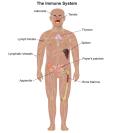 Rheumatoid arthritis It is a generally progressive disease affecting primarily the joints which become swollen and painful. The muscles, ligaments, synovial membrane and the cartilage get inflamed and, therefore movement of the joints becomes extremely painful and wasting of the associated muscles. If not treated immediately, it may result in deformity in the beginning.
This disease affects the small joints in fingers, it is usually insidious, stiffness is the next event and the fingers tend to get curved and ultimately become fixed. The infection then spreads towards the trunk involving the wrist joints, ankle joints, elbow joints, knee joint, shoulders hips and jaw. In Ayurveda, this diseases is called as Amavatha.
It occurs throughout the world in all climates and ethnic groups; this disease is very common nowadays, it is possible that they might have been increased in number due to modern lifestyle. Treatment The best treatment for this is Langhana - means less quantity of food, which can be digested easily; and excretion of Ama.
For the excretion of Ama, virechana therapy is given that is purgation. Basti treatment (Enema therapy); Valuka sweda (hot swedation); Bashpa sweda. Along with these, internal medicines plays an important role in curing these diseases. According to Ayurveda, if proper treatment is given, there are fairly good chances of a cure.
By far the most crippling disease is the chronic rheumatic diseases which are supposed to be incurable.
 By far the most crippling disease is the chronic rheumatic diseases which are supposed to be incurable. The chronic rheumatic diseases differ widely from each other in regard to etiology, pathology and clinical course. All of them, however, cause symptoms in relation to the locomotor system.
The term rheumatism has been loosely applied to all conditions causing pain and stiffness of the muscles and joints. The principle members of the group are Rheumatoid Arthritis, Osteoarthritis, Ankylosing Spondylitis, Non-articular rheumatism. Gout is now recognised to be a metabolic disease but it is usually grouped with the chronic rheumatic diseases because the presenting symptoms are in the joints. Arthritis can be safely, gradually and progressively controlled and ultimately cured by Ayurveda.
Good health is nature’s gift to man, but man, being preoccupied with a mechanical lifestyle
 Good health is nature’s gift to man, but man, being preoccupied with a mechanical lifestyle, has alienated himself from nature. Instead of taking full advantage of natural resources to acquire a sound health, he has developed a tendency of drifting away. In this gloomy situation, there exits a silver lining and that is ‘Ayurveda.’
Ayurveda is a unique, indispensable branch of medicine. A complete naturalistic system that depends on the diagnosis of your body’s humors to achieve the right balance. Ayurveda provides rational means for the treatment of many internal diseases. Simultaneously it lays a great deal of emphasis upon the maintenance of positive health of an individual. It thus aims at both the preventive and cure of diseases, it also studies basic human nature and natural urges like hunger, thirst, sleep and sex and provides measures for a disciplined disease free life.
The human body according to Ayurveda is composed of three fundamental elements called Doshas, Dhatus and Malas. The doshas govern the physico-chemical and physiological activities of the body. The dhatus enter into the formation of a basic structure of a body cell, thereby performing some specific action. The malas are substance which are party utilized in the body and party excreted in a modified from after serving their physiological functions. These three elements are said to be in a dynamic equilibrium with each other for the maintenance of health. Any imbalance of their relative preponderance in the body results in disease and delay.
We should protect the heritage our saints have developed and preserved for the good of human kind
 In the past decade, a number of "specialists" have also mushroomed in ayurveda, siddha and unani systems who have made a fortune out of it.Little wonder then that the Indian government's move has pleased many."This is a very good move. We should protect the heritage our saints have developed and preserved for the good of human kind," said Nivedita Joshi, daughter of former cabinet minister Murli Manohar Joshi and a yoga instructor.Joshi, who was all praise for the decision, said: "It could have been done only by the government. No individual could have done it as it's a heavily expensive thing."
"No Indian would appreciate anybody patenting yoga postures as their own. Why should we let one particular person make money of some thing, which has been ours from time immemorial?" Joshi told IANS.K.M. Gopakumar, a lawyer who is researching patent laws, said: "Once documented and published, it will be in the public domain. The so-called lifestyle gurus cannot claim copyright and allege infringement by others who practise it," said"
The documentation is a mechanism of protecting it from misappropriation also."India learnt its lessons from past controversies - when a US company was granted a patent on the wound-healing properties of turmeric. Another US firm was granted a basmati patent. India challenged both successfully.(IANS)
the health and family welfare ministry would be preserving all possible details of yoga postures in a multi-media digital library
 "Most of the documentation is done," Gupta said, adding that around 100 experts had been working on it for the last three years."We have referred to 54 ancient books to research on ayurveda, 35 for unani and 15 for siddha and have documented 50,000 formulae in ayurveda and 24,000 in unani," Gupta said.
He said the task force has created a database of 10 million pages.Under a Rs. 100-million project, the health and family welfare ministry would be preserving all possible details of yoga postures in a multi-media digital library - Traditional Knowledge Digital Library (TKDL).The data will be made available in five international languages, and 11 countries, including the US, Britain, Japan and China, would be able to access it.The task force has found that at least 150 yoga postures that were developed and practiced in India for ages - the system finds mention in Vedic scriptures - have been pirated in the US, Europe and in Japan.It says yoga is a $30 billion industry in the West.
The task force says the US Patents Office has so far issued 134 patents on yoga accessories, 150 yoga-related copyrights and 2,315 yoga trademarks while Britain has approved at least 10 trademarks relating to yoga training aids.Bikram Chowdhury, a Los Angelus-based multi-millionaire yoga guru, has popularized "hot yoga" - he reportedly developed 26 postures and two breathing exercises performed in a certain sequence in 105 degree heat - and claimed copyrights over it.
Sunday, July 02, 2006
Bittersweet Benefits of the Cranberry
 People prone to kidney stones may want to pass on the cranberry sauce and Craisins. Although often touted as a preventive against kidney stones, new research suggests cranberries and cranberry juice actually may exacerbate the formation of calcium-oxalate stones, the most common type of kidney stone. Researchers at the University of Texas Southwestern Medical Center had 24 people drink either 1 liter of cranberry juice daily for one week or 1 liter of water daily for a week. The following week the participants switched.
On average, cranberry juice increased the participants’ urinary levels of calcium oxalate by 18 percent. The researchers concluded that the juice raises the risk for calcium oxalate and uric acid stones but lowers the risk for the rare brushite stones.
The study suggests that people with a predisposition to suffering from kidney stones should stick to orange juice, which helps fight stone formation. Everyone else can continue to bask in the berries, though: Numerous studies show cranberry juice helps alleviate recurrent urinary tract infections. —Kristin Bjornsen
Subscribe to:
Posts (Atom)


Kamaraja

