Dear Sir/Madam,
With great pleasure we announce the schedule of the fifth International Seminar on Ayurveda is to be organised on 5-7 January 2006. The circular of the Seminar is attached herewith. As all of you are aware regarding the importance of our interaction during the Seminar, we hope that you will find out a time to attend the same.
Dr M S BaghelDirector International Center for Ayurvedic StudiesGujarat Ayurved UniversityJamnagar
More informations here:
http://www.dreddyclinic.com/ayurvedic/ayurvedic.htm
http://www.dreddyclinic.com/education/education.htm
Monday, December 05, 2005


Yoga, ayurveda being documented to stop patent misuse
 Bitten by patent rows over basmati and turmeric, India doesn't want to be caught off guard again by the West, certainly not when it comes to its ancient healing systems of yoga, Ayurveda, unani and siddha.A task force appointed by the government for protecting traditional knowledge and intellectual property is fast completing the documentation of yoga postures and techniques as well as formulae in ayurveda, siddha and unani - all Indian traditional medicinal systems.
The aim is to stop foreign practitioners and individuals, including Indian expatriates, from claiming copyrights."Most of the misuse has been done by people of Indian origin living outside India and multinational companies. By the documentation, we hope we would be able to control it largely," V.K. Gupta, head of the task force, told IANS."We have identified 1,500 yoga postures and thousands of formulae in Indian medicinal systems from ancient books to document and make it available for the office that grants patents and copyrights to trademark it as our public property."He said the documentation process - including texts, voice and visuals - would be completed by March 2007.
More informations here:
- Ayurvedic Medicine
- Ozone Oxygen Therapy
- Disease & Conditions
- Colon Hydrotherapy
- Diet Programs
- Parasites Programs
- Detoxification Program
- Liver Cleansing
- Liver Flush
- Kidney Cleansing
Mistake of Intellect
 Dr KK Aggarwal
In Ayurveda the origin of all disease is traced to "pragyapradh" a term which means "mistake of the intellect". This term comprises of two words i.e. "Pragnya" meaning intellect and "apradh" meaning crime thus giving the whole term the meaning of doing wrong things in spite of knowing about their negative side effects or consequences that will lead to disease. This term is also called blasphem.
In ayurveda it is said that pragyapradh is the main cause of a disease especially janpadodhwans (epidemic diseases).
The crime performed by the intellect is classified into three groups: Dhi (intellectual) or Lack of intellect or ignorance. It refers to diseases occurring due to ignorance. For example a person not knowing the bad effect of alcohol resorts to drinking.
Dhriti (awareness):Inspite of the awareness when one does wrong things. For example when a person knows that smoking is bad for health but still is addicted to it and is not able to leave it due to liking it or weak will power.
Smruti (memory) or smrutivibhrast: It refers to the onset of ailment due to the loss of memory. For example a person who is aware of the bad effects of refined carbohydrates decides not to eat them in future but eats them forgetting that he had resolved not to eat.
In all these situations the body is controlled by the intellect and the ego and not by the soul. One stops taking decisions from the level of consciousness. Mistake of the intellect involves disobeying the laws of nature.
There are three common mistakes listed in the Vedantic literature, Attachment (or addiction), desires (weak will power) and show off (ego). The basic description comes from the Epic Ramayana where Attachment or Kama is represented by Kekayi, desires or greed by the golden deer Marich and the Ego by Ravana. If any one of them would have been absent the storey of Ramayana could not have taken place.
Today we know that addictions to refined carbohydrates, tobacco, drugs and alcohol is responsible for most life style disorders. Desires and greed are responsible for our nibbling habit at functions. And showing off in parties and marriage functions makes us choosing costlier fruits and vegetables which are non -seasonal and not locally grown and hence unnatural.
Quotes
"pragya aparadh or "mistake of the intellect" when the intellect, drawn toward and influenced by material consciousness, loses connection with the wholeness of consciousness. This is when we stop being centered within ourselves." (Mahirishi Mahesh Yogi)
Aging is "a mistake of the intellect. This mistake consists of identifying oneself solely with the physical body." (Dr Deepak Chopra in Perfect Health)
"The Ayurvedic texts define the source of all disease and suffering as pragyaparadh. This occurs when individuals (or even single cells) "forget" their connection with the wholeness of life and believe themselves to be isolated entities. Creating, and then eating, genetically engineered foods exposes us to pragyaparadh". (Dr Ram Kant Mishra).
more:
Ayurvedic Medicine
Ozone Oxygen Therapy
Disease & Conditions
Colon Hydrotherapy
Diet Programs
Parasites Programs
Detoxification Program
Liver Cleansing
Liver Flush
Kidney Cleansing
Ayurveda for a stress free arthritis treatment
Ayurveda provides a number of remedies for modern lifestyle disorders, says Dr Farida Khan.
Good health is nature’s gift to man, but man, being preoccupied with a mechanical lifestyle, has alienated himself from nature. Instead of taking full advantage of natural resources to acquire a sound health, he has developed a tendency of drifting away. In this gloomy situation, there exits a silver lining and that is ‘Ayurveda.’ Ayurveda is a unique, indispensable branch of medicine.
A complete naturalistic system that depends on the diagnosis of your body’s humors to achieve the right balance. Ayurveda provides rational means for the treatment of many internal diseases. Simultaneously it lays a great deal of emphasis upon the maintenance of positive health of an individual. It thus aims at both the preventive and cure of diseases, it also studies basic human nature and natural urges like hunger, thirst, sleep and sex and provides measures for a disciplined disease free life.
The human body according to Ayurveda is composed of three fundamental elements called Doshas, Dhatus and Malas. The doshas govern the physico-chemical and physiological activities of the body. The dhatus enter into the formation of a basic structure of a body cell, thereby performing some specific action.
The malas are substance which are party utilized in the body and party excreted in a modified from after serving their physiological functions. These three elements are said to be in a dynamic equilibrium with each other for the maintenance of health. Any imbalance of their relative preponderance in the body results in disease and delay.
More informations here:
Ayurvedic Medicine
Ozone Oxygen Therapy
Disease & Conditions
Colon Hydrotherapy
Diet Programs
Parasites Programs
Detoxification Program
Liver Cleansing
Liver Flush
Kidney Cleansing
Good health is nature’s gift to man, but man, being preoccupied with a mechanical lifestyle, has alienated himself from nature. Instead of taking full advantage of natural resources to acquire a sound health, he has developed a tendency of drifting away. In this gloomy situation, there exits a silver lining and that is ‘Ayurveda.’ Ayurveda is a unique, indispensable branch of medicine.
A complete naturalistic system that depends on the diagnosis of your body’s humors to achieve the right balance. Ayurveda provides rational means for the treatment of many internal diseases. Simultaneously it lays a great deal of emphasis upon the maintenance of positive health of an individual. It thus aims at both the preventive and cure of diseases, it also studies basic human nature and natural urges like hunger, thirst, sleep and sex and provides measures for a disciplined disease free life.
The human body according to Ayurveda is composed of three fundamental elements called Doshas, Dhatus and Malas. The doshas govern the physico-chemical and physiological activities of the body. The dhatus enter into the formation of a basic structure of a body cell, thereby performing some specific action.
The malas are substance which are party utilized in the body and party excreted in a modified from after serving their physiological functions. These three elements are said to be in a dynamic equilibrium with each other for the maintenance of health. Any imbalance of their relative preponderance in the body results in disease and delay.
More informations here:
Ayurvedic Medicine
Ozone Oxygen Therapy
Disease & Conditions
Colon Hydrotherapy
Diet Programs
Parasites Programs
Detoxification Program
Liver Cleansing
Liver Flush
Kidney Cleansing
Sunday, December 04, 2005
Herbs that de-liver
Sometimes called the master chemist of the body, the liver, known as Yakrit in Ayurveda, has many important roles. For instance, according to Ayurveda the liver is responsible for converting clear plasma (Rasa Dhatu) to blood (Rakta Dhatu). It is the liver’s task to scrutinise and identify toxins in the plasma and filter them so they don’t enter the blood.
Liver is the seat of Pitta and hence any violation in terms of food and habits will affect liver, which invariably leads to Pitta disorders.
One of the common problems encountered is jaundice, known as Kamala. When someone with anaemia exposes himself to excess hot and spicy foods, with lots of fat and allergenic ingredients, liver function is affected. If this stage is left untreated, it may result in advanced state of liver dysfunction called Kumbha kamala.
Cichorium intybusstimulates the production of bile and empties the gall bladder, and thus acts as a cholagogue (an agent that promotes the flow of bile into the intestine).In advanced stages of the disease, the liver tends to enlarge and cause imbalances in blood and kapha. This results in obstructive liver disorders described in Ayurveda as yakritdalyudara. This condition is characterised by mild fever, loss of appetite, and can result in anaemia.
Ayurveda describes several formulas containing herbs that are important to support the liver. These are more targeted for liver health and function, and also focus more on balancing the liver enzymes and their activities.
Amongst the herbs and their combinations, Triphala, a blend of three fruits, Guduchi (Tinospora cordifolia) and Neem (Azadirachta indica), will help to overcome the problem of jaundice.

Similarly, Trikatu helps to overcome indigestion, Haridra (Curcuma longa) and Amalaki (Emblica officinalis) act as antioxidants and help to support the liver enzymes. Also Kasani(Cichorium intybus) is helpful in various liver conditions.
Bhumyamalaki (Phyllanthus amarus) is known to be an effective antiviral and is useful in hepatitis B, and Katuki (Picrorrhiza kurroa) has been found to support the liver and help shield it from infectious viruses.
Kasani/Chicory (Cichorium intybus
Popularly known as Chicory, Cichorium intybus possesses liver protective properties. This plant, with attractive light blue flowers, had been used as a potherb by the ancient Egyptians, Greeks and Romans.
It stimulates the production of bile and empties the gall bladder, and thus acts as a cholagogue (an agent that promotes the flow of bile into the intestine). These actions make it an herb of choice in cases of biliary insufficiency.
The extract of chicory has been shown to have potent free radical scavenging activity1. Further, the herb has been shown to have antimicrobial properties as well. In fact, studies show that chicory has antimicrobial activity against Salmonella typhi, a common pathogenic microorganism of the gastrointestinal tract2.
What’s more, chicory is also a prebiotic, a natural substance that enhances the growth of good bacteria in the intestine.
Many studies have demonstrated the liver-protective actions of chicory. Extracts of the herb were found to normalise the increased levels of liver enzymes in livers damaged by chemicals.
Biranjasipha/Yarrow (Achillea millefolium
The 100 or so species of yarrows to which Achillea millefolium belongs to are herbaceous perennials and are native to Europe and Asia. Achillea millefolium is used in Brazilian folk medicine to treat infectious diseases and in traditional medicine, yarrow has been used as a “strengthening bitter tonic”, astringent and has carminative, digestive and antispasmodic properties.
A decoction of the herb is known to provide relief from chronic colic. The extract of the herb has been used to treat hepatitis in the elderly3.
Radish (Raphanus sativus
Radishes are moderately high in Vitamin C and contain properties that appear to be beneficial for colds, flu, fever, cough, respiratory problems and digestive disorders. Radish is a native of southern Asia and has been used for medicinal purposes by the Egyptians, Greeks, Romans and Chinese.
Radish stimulates the appetite and the digestion. The juice of the black radish is drunk to counter gassy indigestion and constipation. Black radish juice has a tonic and laxative action on the intestines, and indirectly stimulates the flow of bile. Consuming radish generally results in improved digestion, but some people are sensitive to its acridity and strong action. In China, radish is eaten to relieve abdominal distention.
Numerous studies have also documented the potent antioxidant effect of radish4.
Pippali/ English long pepper (Piper longum
Piper longum is a slender aromatic climber with perennial woody roots. The fruits are used for diseases of the respiratory tract, for example, cough, bronchitis and asthma.
It is also known as a counter-irritant and analgesic when applied locally for muscular pains and inflammation and as general tonic and hematinic. It is known to enhance the bioavailability of food and drugs as well as being a carminative.
Various studies have demonstrated the antioxidant potential of Piper longum.
Solanum nigrum or Black night shade has been found to be effective in the treatment of cirrhosis and is also credited with emollient, diuretic, antiseptic and laxative properties.
The extract of the dried fruits were found to normalise the increased levels of liver enzymes due to chemical-induced liver damage5.
A healthy liver is a sign of good life. Adopting healthy lifestyle habits such as regular exercise, consuming a liver-healthy diet and weight loss can go a long way in keeping your liver healthy.
References:
1. Schaffer S, Schmitt-Schillig S, Muller WE, Eckert GPAntioxidant properties of Mediterranean food plant extracts: geographical differences. J Physiol Pharmacol. 2005 Mar;56 Suppl 1:115-24.
2. Rani P, Khullar N. Antimicrobial evaluation of some medicinal plants for their anti-enteric potential against multi-drug resistant Salmonella typhi. Phytother Res. 2004 Aug;18(8):670-3.
3. Harnyk TP. [The use of preparations of plant origin in treating and rehabilitating elderly patients with chronic hepatitis] Lik Sprava. 1999 Oct-Dec;(7-8):168-70.
4. Lugasi A, Blazovics A, Hagymasi K, Kocsis I, Kery A. Antioxidant effect of squeezed juice from black radish (Raphanus sativus L. var niger) in alimentary hyperlipidaemia in rats. Phytother Res. 2005 Jul;19(7):587-91.
5. Raju K, Anbuganapathi G, Gokulakrishnan V, Rajkapoor B, Jayakar B, Manian S. Effect of dried fruits of Solanum nigrum LINN against CCl4-induced hepatic damage in rats. Biol Pharm Bull. 2003 Nov;26(11):1618-9.
The above article is contributed by Himalaya Herbal Healthcare. For more information e-mail starhealth@thestar.com.my. The views and opinions expressed in this column are solely that of the author’s. The Star does not give any warranty on accuracy, completeness, functionality, usefulness or other assurances as to such information. The Star disclaims all responsibility for any losses, damage to property or personal injury suffered directly or indirectly from reliance on such information.
Source: Malaysia Star - Malaysia
More informations here:
Ayurvedic Medicine
Ozone Oxygen Therapy
Disease & Conditions
Colon Hydrotherapy
Diet Programs
Parasites Programs
Detoxification Program
Liver Cleansing
Liver Flush
Kidney Cleansing
Liver is the seat of Pitta and hence any violation in terms of food and habits will affect liver, which invariably leads to Pitta disorders.
One of the common problems encountered is jaundice, known as Kamala. When someone with anaemia exposes himself to excess hot and spicy foods, with lots of fat and allergenic ingredients, liver function is affected. If this stage is left untreated, it may result in advanced state of liver dysfunction called Kumbha kamala.
Cichorium intybusstimulates the production of bile and empties the gall bladder, and thus acts as a cholagogue (an agent that promotes the flow of bile into the intestine).In advanced stages of the disease, the liver tends to enlarge and cause imbalances in blood and kapha. This results in obstructive liver disorders described in Ayurveda as yakritdalyudara. This condition is characterised by mild fever, loss of appetite, and can result in anaemia.
Ayurveda describes several formulas containing herbs that are important to support the liver. These are more targeted for liver health and function, and also focus more on balancing the liver enzymes and their activities.
Amongst the herbs and their combinations, Triphala, a blend of three fruits, Guduchi (Tinospora cordifolia) and Neem (Azadirachta indica), will help to overcome the problem of jaundice.
Similarly, Trikatu helps to overcome indigestion, Haridra (Curcuma longa) and Amalaki (Emblica officinalis) act as antioxidants and help to support the liver enzymes. Also Kasani(Cichorium intybus) is helpful in various liver conditions.
Bhumyamalaki (Phyllanthus amarus) is known to be an effective antiviral and is useful in hepatitis B, and Katuki (Picrorrhiza kurroa) has been found to support the liver and help shield it from infectious viruses.
Kasani/Chicory (Cichorium intybus
Popularly known as Chicory, Cichorium intybus possesses liver protective properties. This plant, with attractive light blue flowers, had been used as a potherb by the ancient Egyptians, Greeks and Romans.
It stimulates the production of bile and empties the gall bladder, and thus acts as a cholagogue (an agent that promotes the flow of bile into the intestine). These actions make it an herb of choice in cases of biliary insufficiency.
The extract of chicory has been shown to have potent free radical scavenging activity1. Further, the herb has been shown to have antimicrobial properties as well. In fact, studies show that chicory has antimicrobial activity against Salmonella typhi, a common pathogenic microorganism of the gastrointestinal tract2.
What’s more, chicory is also a prebiotic, a natural substance that enhances the growth of good bacteria in the intestine.
Many studies have demonstrated the liver-protective actions of chicory. Extracts of the herb were found to normalise the increased levels of liver enzymes in livers damaged by chemicals.
Biranjasipha/Yarrow (Achillea millefolium
The 100 or so species of yarrows to which Achillea millefolium belongs to are herbaceous perennials and are native to Europe and Asia. Achillea millefolium is used in Brazilian folk medicine to treat infectious diseases and in traditional medicine, yarrow has been used as a “strengthening bitter tonic”, astringent and has carminative, digestive and antispasmodic properties.
A decoction of the herb is known to provide relief from chronic colic. The extract of the herb has been used to treat hepatitis in the elderly3.
Radish (Raphanus sativus
Radishes are moderately high in Vitamin C and contain properties that appear to be beneficial for colds, flu, fever, cough, respiratory problems and digestive disorders. Radish is a native of southern Asia and has been used for medicinal purposes by the Egyptians, Greeks, Romans and Chinese.
Radish stimulates the appetite and the digestion. The juice of the black radish is drunk to counter gassy indigestion and constipation. Black radish juice has a tonic and laxative action on the intestines, and indirectly stimulates the flow of bile. Consuming radish generally results in improved digestion, but some people are sensitive to its acridity and strong action. In China, radish is eaten to relieve abdominal distention.
Numerous studies have also documented the potent antioxidant effect of radish4.
Pippali/ English long pepper (Piper longum
Piper longum is a slender aromatic climber with perennial woody roots. The fruits are used for diseases of the respiratory tract, for example, cough, bronchitis and asthma.
It is also known as a counter-irritant and analgesic when applied locally for muscular pains and inflammation and as general tonic and hematinic. It is known to enhance the bioavailability of food and drugs as well as being a carminative.
Various studies have demonstrated the antioxidant potential of Piper longum.
Solanum nigrum or Black night shade has been found to be effective in the treatment of cirrhosis and is also credited with emollient, diuretic, antiseptic and laxative properties.
The extract of the dried fruits were found to normalise the increased levels of liver enzymes due to chemical-induced liver damage5.
A healthy liver is a sign of good life. Adopting healthy lifestyle habits such as regular exercise, consuming a liver-healthy diet and weight loss can go a long way in keeping your liver healthy.
References:
1. Schaffer S, Schmitt-Schillig S, Muller WE, Eckert GPAntioxidant properties of Mediterranean food plant extracts: geographical differences. J Physiol Pharmacol. 2005 Mar;56 Suppl 1:115-24.
2. Rani P, Khullar N. Antimicrobial evaluation of some medicinal plants for their anti-enteric potential against multi-drug resistant Salmonella typhi. Phytother Res. 2004 Aug;18(8):670-3.
3. Harnyk TP. [The use of preparations of plant origin in treating and rehabilitating elderly patients with chronic hepatitis] Lik Sprava. 1999 Oct-Dec;(7-8):168-70.
4. Lugasi A, Blazovics A, Hagymasi K, Kocsis I, Kery A. Antioxidant effect of squeezed juice from black radish (Raphanus sativus L. var niger) in alimentary hyperlipidaemia in rats. Phytother Res. 2005 Jul;19(7):587-91.
5. Raju K, Anbuganapathi G, Gokulakrishnan V, Rajkapoor B, Jayakar B, Manian S. Effect of dried fruits of Solanum nigrum LINN against CCl4-induced hepatic damage in rats. Biol Pharm Bull. 2003 Nov;26(11):1618-9.
The above article is contributed by Himalaya Herbal Healthcare. For more information e-mail starhealth@thestar.com.my. The views and opinions expressed in this column are solely that of the author’s. The Star does not give any warranty on accuracy, completeness, functionality, usefulness or other assurances as to such information. The Star disclaims all responsibility for any losses, damage to property or personal injury suffered directly or indirectly from reliance on such information.
Source: Malaysia Star - Malaysia
More informations here:
Ayurvedic Medicine
Ozone Oxygen Therapy
Disease & Conditions
Colon Hydrotherapy
Diet Programs
Parasites Programs
Detoxification Program
Liver Cleansing
Liver Flush
Kidney Cleansing
Asian-influenced spas are hot in San Francisco
SAN FRANCISCO: Asian influenced spas, including those offering Ayurveda, are the hottest trend in San Francisco, which has the largest Asian population in the US. Americans spent $11.2 billion in going to spas in 2003. According to the International Spa Association, 136 million Americans visited spas in the year -- nearly one visit for every two residents in the US.
Spas are everywhere, including shopping malls and beauty salons. There are more than 500 spas in San Francisco. Many of them have included Asian methods, such as yoga, tai chi and Japanese shiatsu. Kamalaspa in downtown San Francisco, opened in December last year, is an Indian-influenced day spa, offering Ayurveda- influenced massage and body treatments. Kamalaspa was named from the Indian word kamal, or lotus. Its treatments include Shirodhara, which is an Ayurvedic head massage, and Abhyanga Four Hands, an Ayurvedic body massage with specific herbal oils. Asian influenced spas are well accepted in San Francisco, partly because more than a third of San Francisco's 744,000 residents are Asians.
Spas in the city have also tried to include new treatment, such as Ayurveda treatment and traditional Thai massage, in an effort to differentiate themselves from mainstream purveyors of European massages and facials. International Orange, one of San Francisco’s popular spas with Western influenced decor located at the trendy Fillmore shopping street, offers four kinds of body treatment. Among the four, three are Asian style treatments - acupuncture, Thai massage and Japanese ritual-based treatment. The spa also offers a 90-minute yoga session five times a day. Spas that specialise solely in Asian theme treatments have also been opened in San Francisco and surrounding area. One of them is Kabuki Springs & Spa, a Japanese-style spa with burning incense and flute music, as well as Asian decoration with meditation bells and a Buddha statue. The Kabuki first opened its doors in 1971, targeting mainly local Japanese as a ‘sento’, a traditional Japanese public bath. But in 1999, San Francisco's largest boutique hotel operator, Joie de Vivre Hospitality, took over the spa. The company completely modernised the place from the 70s-style accoutrements to oriental-looking contemporary fixtures, such as sage-green ceramic and gray slate tiles, wooden Adirondack chairs in the bath area as well as a huge new steam room and sauna. The company also expanded the massage service, once limited to the Japanese shiatsu massage, to other massages, such as Indian and Swedish.-
Source: Economic Times - India
Spas are everywhere, including shopping malls and beauty salons. There are more than 500 spas in San Francisco. Many of them have included Asian methods, such as yoga, tai chi and Japanese shiatsu. Kamalaspa in downtown San Francisco, opened in December last year, is an Indian-influenced day spa, offering Ayurveda- influenced massage and body treatments. Kamalaspa was named from the Indian word kamal, or lotus. Its treatments include Shirodhara, which is an Ayurvedic head massage, and Abhyanga Four Hands, an Ayurvedic body massage with specific herbal oils. Asian influenced spas are well accepted in San Francisco, partly because more than a third of San Francisco's 744,000 residents are Asians.
Spas in the city have also tried to include new treatment, such as Ayurveda treatment and traditional Thai massage, in an effort to differentiate themselves from mainstream purveyors of European massages and facials. International Orange, one of San Francisco’s popular spas with Western influenced decor located at the trendy Fillmore shopping street, offers four kinds of body treatment. Among the four, three are Asian style treatments - acupuncture, Thai massage and Japanese ritual-based treatment. The spa also offers a 90-minute yoga session five times a day. Spas that specialise solely in Asian theme treatments have also been opened in San Francisco and surrounding area. One of them is Kabuki Springs & Spa, a Japanese-style spa with burning incense and flute music, as well as Asian decoration with meditation bells and a Buddha statue. The Kabuki first opened its doors in 1971, targeting mainly local Japanese as a ‘sento’, a traditional Japanese public bath. But in 1999, San Francisco's largest boutique hotel operator, Joie de Vivre Hospitality, took over the spa. The company completely modernised the place from the 70s-style accoutrements to oriental-looking contemporary fixtures, such as sage-green ceramic and gray slate tiles, wooden Adirondack chairs in the bath area as well as a huge new steam room and sauna. The company also expanded the massage service, once limited to the Japanese shiatsu massage, to other massages, such as Indian and Swedish.-
Source: Economic Times - India
Ayurveda medicine manufacturers warned
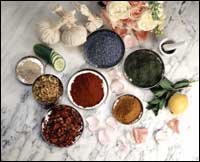 Udupi, Nov 11: The Director of Indian Systems of Medicine and Homoepathy, Dr B N Prakash warned that stringent measures like withdrawal of licence would be initiated against those ayurvedic and homoepathy manufacturers who failed to comply with the government's recent guidelines of good manufacturing practices (GMP) which had become mandatory since 2003.
Addressing the ayurvedic manufacturers and ayurvedic medical practitioners from undivided Dakshina Kannada Bharatiya Vaidyara Sangha here, he said that since last three months, after he assuming the office of director he had withdrawn the licences of about six ayurvedic medicine manufacturing units in the state which have failed to follow the government guidelines.
However, whenever he had found lapses by the manufacturing units during his visit failing to comply with the GMP, the same units were brining political pressures against taking any actions. He cautioned that the government had already given one-year extension for implementation of GMP guidelines till 2003 and no more extension could be allowed.
He said that, as the protection of the interests of the public and the patients was most important than the manufacturing units, disciplinary actions would be taken against any manufacturing units failing to comply with the set norms.
He said that the government had also issued strict instructions to make batch-wide checking of exporting ayurvedic drugs and medicines a month back to check the heavy metal contents which could be extended to all other ayurvedic products in near future.
Prakash also cautioned that the alopathy drug manufacturing lobby controlled by multi-national companies (MNCS) who were able control the government were trying to stall the growing market demand for ayurvedic products even in the developed nations like United States and Europe through creating opinions to their advantages through their money power.
In this "grave" situation, he said that as the demand for ayurvedic medicines was growing in the international market, there was great need for manufacturing units to maintain quality. (Agencies)
Published: Saturday, November 12, 2005
Chennai Interactive Business Services (P) Ltd.
More informations here:
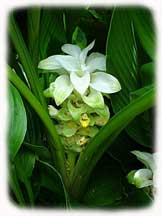
Turmeric and Cancer Treatment
by: Jai Dharma on Nov 22 2005 5:07
PM in Health
Yet another example of how new scientific research is providing evidence of the medicinal properties of spices.
This time, “haldi” and its beneficial impact on cancer treatment. Read the full article here: “How curry can help keep cancer at bay” (15th Oct ’05) http://www.dailymail.co.uk/pages/live/articles/health/healthmain.html?in_article_id=365491&in_page_id=1774#StartComments
As the article mentions, “It is not the first time scientists have found that curries can be good for health. Curcumin, a member of the ginger family, is already widely used in Indian and Chinese medicine for a range of ailments from rheumatism to abdominal pain.
Studies have suggested that turmeric - of which curcumin is the active ingredient - can help to slow prostate cancer.
And last year, researchers said curcumin, which gives curries a mustard-yellow colour, could help protect the brain against the onset of Alzheimer's Disease.
This could explain why rates of Alzheimer's are far lower in India than in the West. Other curry spices linked to health benefits include coriander, which aids digestion, and fenugreek, which can help prevent mouth ulcers and sore throats.
More informations here:
- Ayurvedic Medicine
- Ozone Oxygen Therapy
- Disease & Conditions
- Colon Hydrotherapy
- Diet Programs
- Parasites Programs
- Detoxification Program
- Liver Cleansing
- Liver Flush
- Kidney Cleansing
more discussion: Forum
· Addiction Forum · Ask the Doctors Forum · Ayurveda Forum · Ayurvedic & Thai Herbs Forum · Colon Cleansing Forum · Dental Forum · Diabetes Forum · Diet Forum · General Cleansing Forum · Hepatitis A, B. C Forum · Integrated Medicine Forum · Live Blood Analysis Forum · Ozone-Oxygen-Forum · pH - Alkaline - Acidity Forum · Weight Loss Forum
Can Ayurveda cure HIV/AIDS?
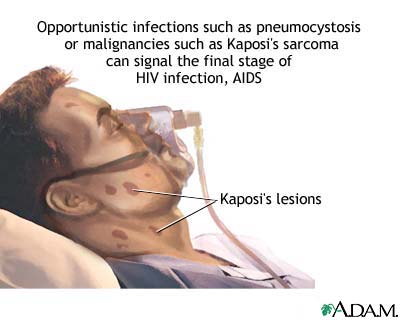 If Government will take initiative to establish Ayurveda Research Centre, then India will soon find out the medicine to treat the HIV/Aids, said Dr P Sivarama, noted Ayurveda practitioner.
Speaking to the reporters here on Wednesday, he said the Indian Herbal Therapy used for Cytomegaloviral Esophagitis (HIV patients) had recently proved effective and affordable drug for HIV.
He said CD4 - a part of White Blood Corpuscles - drops in HIV patient due to viruses. This renders the patient weak getting fever and the patient even cannot gulp his saliva, as it causes a pain in the chest, said Dr Sivarama.
He said the Ayurvedic therapy helps in destroying the viruses and the patient can be saved. Dr Sivarama said the Ayurvedic therapy mentioned, was not the complete solution for HIV/Aids patients, but it could certainly increase the life span of the patient.
More informations here:
- Ayurvedic Medicine
- Ozone Oxygen Therapy
- Disease & Conditions
- Colon Hydrotherapy
- Diet Programs
- Parasites Programs
- Detoxification Program
- Liver Cleansing
- Liver Flush
- Kidney Cleansing
more discussion: Forum
· Addiction Forum · Ask the Doctors Forum · Ayurveda Forum · Ayurvedic & Thai Herbs Forum · Colon Cleansing Forum · Dental Forum · Diabetes Forum · Diet Forum · General Cleansing Forum · Hepatitis A, B. C Forum · Integrated Medicine Forum · Live Blood Analysis Forum · Ozone-Oxygen-Forum · pH - Alkaline - Acidity Forum · Weight Loss Forum
Subscribe to:
Posts (Atom)


Kamaraja

